
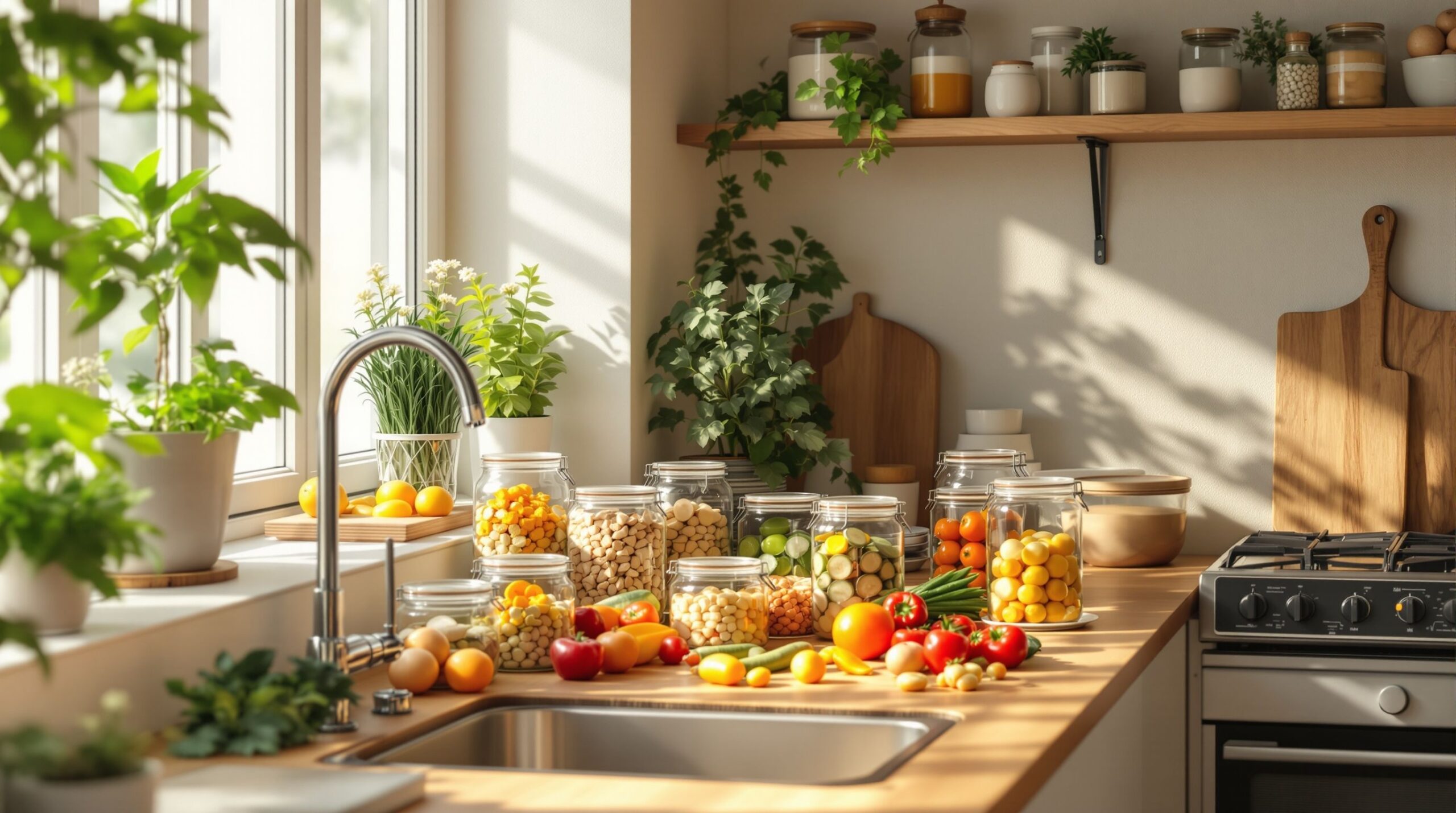
Sustainability Habits bring fresh purpose and possibility to apartment living, proving that even small spaces can spark meaningful change. It’s the empowering feeling of choosing greener routines, the satisfaction of reducing waste in creative ways, and the joy of transforming your home into a place that supports both your lifestyle and the planet. In an apartment, sustainability becomes a daily rhythm—switching to energy-smart lighting, repurposing everyday items, exploring low-waste alternatives, and discovering how mindful choices can ripple outward. This category celebrates the beauty of intentional living, offering inspiration for eco-friendly cleaning, smarter shopping, conscious decorating, and habits that make your space feel both lighter and more vibrant. Whether you’re just beginning your sustainable journey or refining the practices you already love, Sustainability Habits shows how eco-living fits seamlessly into apartment life. It’s about embracing small steps with big impact, cultivating a home that feels grounded and green, and discovering that sustainable choices aren’t restrictive—they’re empowering. Welcome to a lifestyle where every action becomes a vote for a brighter, cleaner, more connected future.
A: Yes. Daily habits—like energy use, food choices, transportation, and waste—add up over months and years.
A: Begin with one area: reducing single-use plastics, cutting energy waste, or planning meals to avoid food waste.
A: Check posted guidelines or ask management which materials are accepted and how they should be sorted.
A: Look for city drop-off sites, community programs, or private services that accept sorted materials.
A: Some are, but using less, buying secondhand, and choosing concentrated or refillable items can balance costs.
A: Use LEDs, unplug idle devices, adjust thermostat settings slightly, and rely on fans and natural light.
A: Even partially air-drying reduces energy use, extends clothing life, and works well on racks or hangers.
A: Share simple ideas, agree on a few shared habits (recycling, lights, water), and keep changes realistic.
A: Yes—herbs, lettuce, and some veggies do well in containers on windowsills, balconies, or bright corners.
A: Track progress, celebrate small wins, learn new tips, and remember that consistent effort matters more than perfection.