Finding the right apartment is always a major life decision. When you add a dog, cat, or other beloved companion into the equation, the search becomes even more meaningful. Your home is not just where you sleep or store your belongings. It is where your pet stretches out in the afternoon sun, greets you at the door, and feels safe when the world outside gets loud and busy. A pet-friendly apartment is more than a rental that allows animals. It is a space designed to support the well-being of both you and your furry roommate. As rental markets grow more competitive, especially in fast-growing cities and college hubs, knowing how to search strategically can save time, money, and stress. Whether you are a first-time renter with a new puppy or relocating with a senior cat, understanding what truly makes an apartment pet-friendly will help you find a place that feels like home from day one.
A: Pet limits, fees, monthly pet rent, breed/weight rules, and the exact pet addendum language.
A: Many properties charge it; confirm whether it can increase at renewal and get it documented.
A: Enzyme cleaning for accidents, frequent fabric washing, litter routines, and airflow/filters if allowed.
A: Hard surfaces are usually easiest; if carpet exists, protect high-traffic areas with washable rugs.
A: Build a calm zone, manage triggers, add sound buffering, and practice short departures with enrichment.
A: Many leases require renters insurance; confirm coverage details and any pet-related liability requirements.
A: Vaccination records, pet photo, microchip info, and sometimes a vet letter or temperament notes.
A: Yes—document move-in condition, follow cleaning rules, and keep receipts if required.
A: Favor quieter layouts, avoid high-traffic hallways, and add routine + enrichment to reduce stress.
A: Clear written policies, clean waste stations, realistic rules, and staff who can explain enforcement and expectations.
What “Pet-Friendly” Really Means in Today’s Rental Market
The phrase “pet-friendly apartments” is one of the most searched rental terms online, but its meaning can vary dramatically from one property to another. Some landlords allow pets with minimal restrictions, while others impose weight limits, breed restrictions, or strict occupancy rules. In many cases, a property might advertise itself as pet-friendly while quietly charging high pet deposits or monthly pet rent.
Understanding the fine print is essential. Pet policies often include a non-refundable pet fee, a refundable pet deposit, and a recurring monthly pet rent. These costs can add up quickly, so factoring them into your budget is critical. It is also important to clarify whether the policy applies to all pets equally. Some apartments allow cats but restrict dogs. Others may prohibit certain breeds based on insurance policies rather than tenant behavior.
Beyond financial considerations, look at how the property genuinely accommodates pets. Does the community provide designated dog relief areas? Are there nearby walking trails or parks? Are there pet waste stations throughout the property? These practical details signal whether a property simply tolerates pets or actively welcomes them.
Designing a Home That Works for You and Your Pet
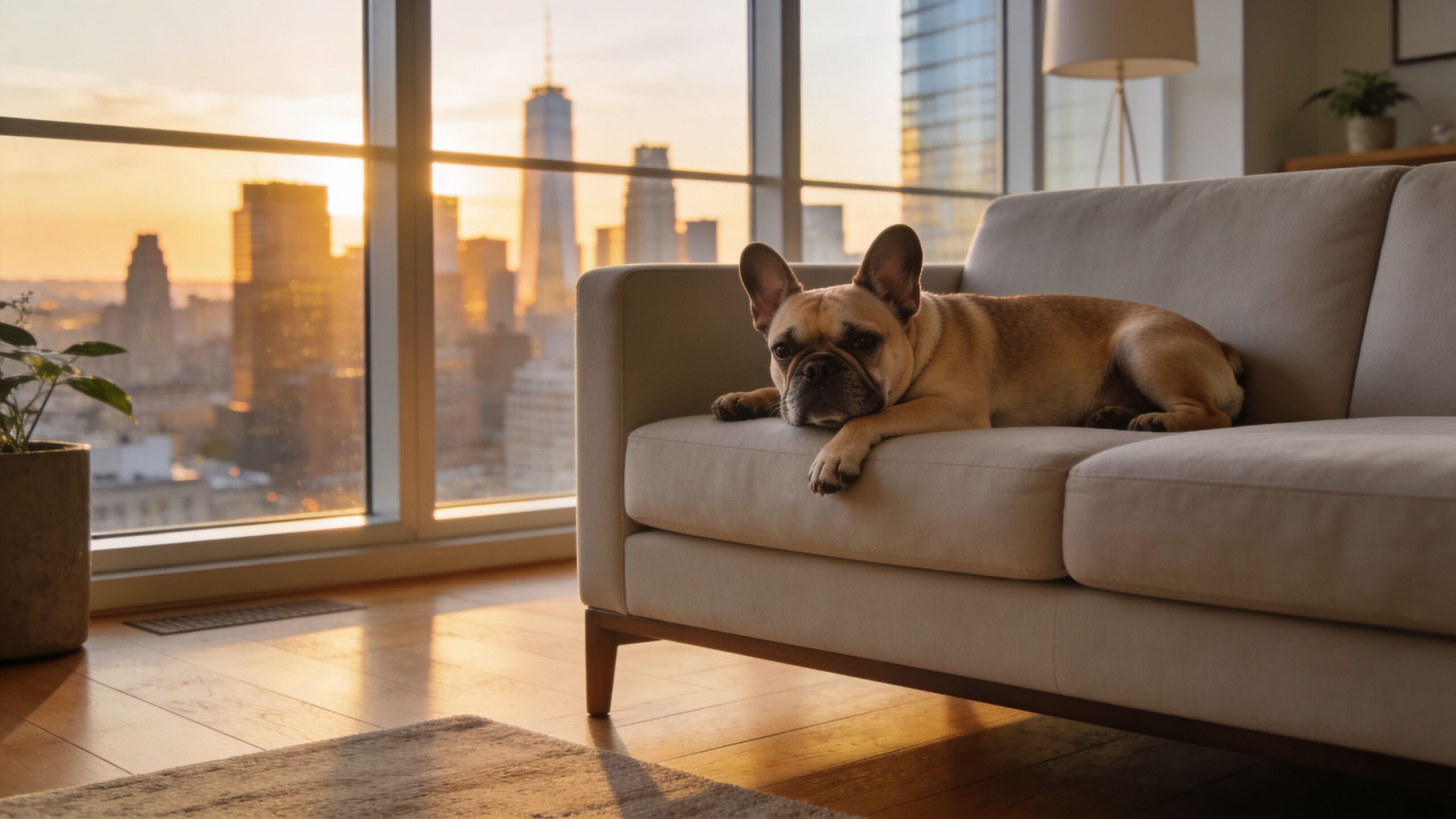
A truly great pet-friendly apartment balances your lifestyle with your animal’s needs. For dog owners, proximity to green space can be a game changer. Easy access to parks, walking paths, or open areas encourages daily exercise and reduces stress for high-energy breeds. For cat owners, vertical space and natural light can significantly enhance a pet’s quality of life, especially in smaller apartments.
Inside the unit, flooring is one of the most important considerations. Hardwood, vinyl, or tile floors are typically more durable and easier to clean than wall-to-wall carpet. If an apartment features carpeted bedrooms, consider how that will impact cleaning routines and potential odor control. Natural light also matters, not just for aesthetics but for your pet’s daily rhythm. Animals thrive in environments that mirror natural daylight cycles.
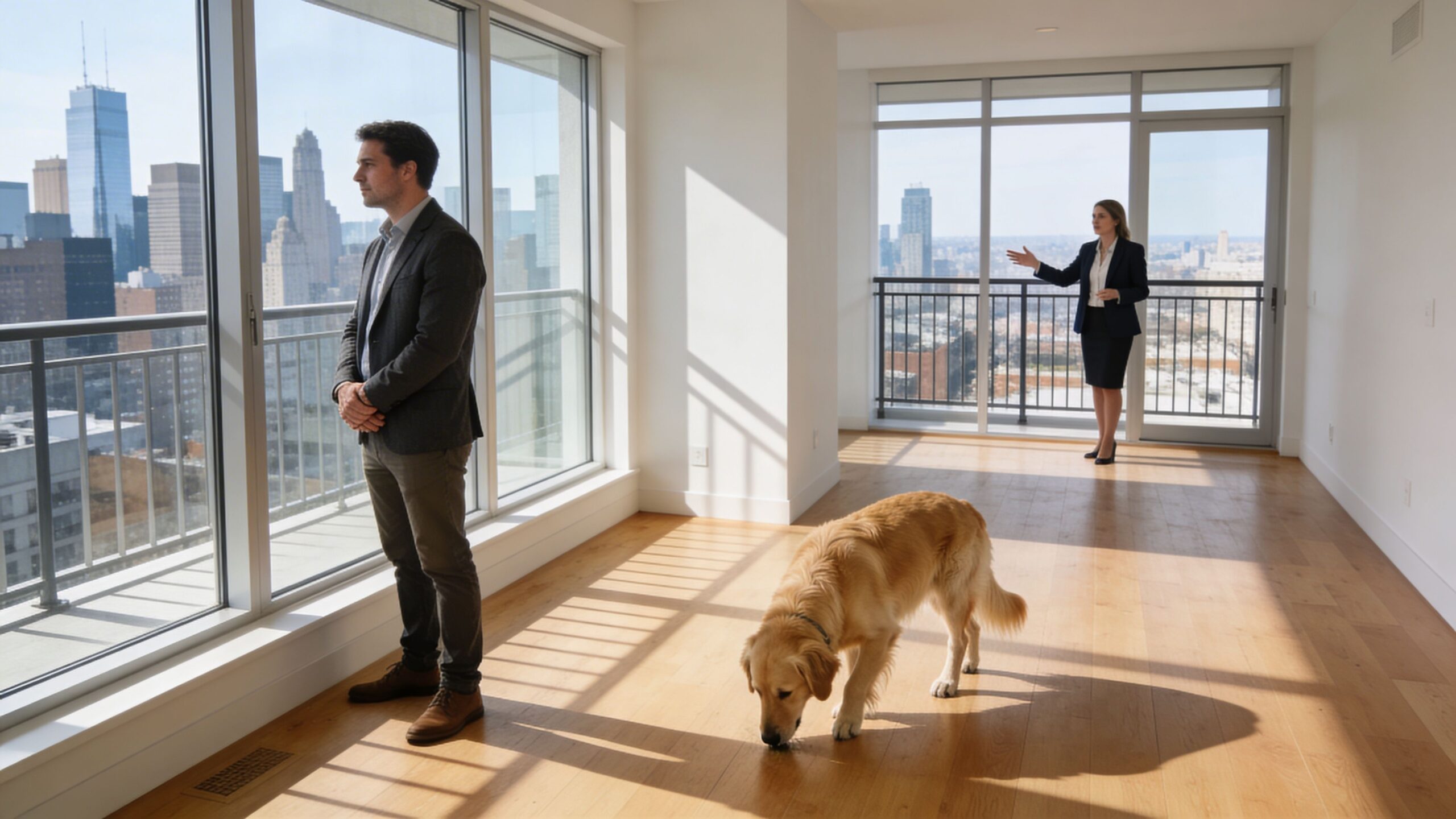
Noise levels should not be overlooked. Thin walls, heavy hallway traffic, or street noise can cause anxiety for certain pets. Visiting the apartment at different times of day can give you insight into how loud the environment may be. A calm, predictable atmosphere is especially important for older pets or animals with nervous temperaments.
Storage space is another overlooked factor. Leashes, carriers, food bins, litter boxes, toys, and grooming supplies all need a place to live. A small storage closet or pantry can help keep your home organized and functional.
Budgeting Smartly for Pet-Friendly Living
Affordability plays a central role in any rental decision. Pet-friendly apartments often come with higher upfront and ongoing costs. Beyond pet deposits and rent premiums, you may face additional cleaning fees when moving out. Being financially prepared allows you to make decisions confidently instead of feeling pressured by surprise expenses.
Start by calculating your total housing budget, including rent, utilities, and pet-related costs. If you are early in your career or balancing school and work, maintaining a stable monthly cash flow is critical. Emergency savings should account not only for your personal needs but also for potential veterinary bills or unexpected pet-related damages.
When comparing properties, look at the full financial picture rather than just the advertised rent. An apartment with slightly higher base rent but no monthly pet fee could be more affordable long term than a cheaper unit with recurring pet charges. Transparency is key. Ask property managers to outline every pet-related cost in writing before signing a lease.
In competitive rental markets, being prepared with documentation can also help you stand out. Providing vaccination records, proof of training, or even a short pet resume describing your animal’s temperament can reassure landlords and demonstrate responsibility. This proactive approach can sometimes make the difference when policies are flexible but selective.
Location, Lifestyle, and Long-Term Fit
Choosing the right location is about more than commute times. For pet owners, neighborhood walkability, safety, and access to veterinary services all matter. Research nearby pet clinics, emergency animal hospitals, and grooming services before committing to a lease. Knowing that reliable care is close by provides peace of mind.
If you enjoy outdoor activities, look for neighborhoods with dog parks or nature trails. Even urban renters can find vibrant communities that support pet ownership. A short drive to a large park may be worth it if the apartment itself checks every other box.
Consider your long-term plans as well. If you anticipate career changes, graduate school, or relocating within a year, flexibility may be important. Some leases are more accommodating when it comes to subletting or early termination, while others are rigid. Stability is especially valuable for pets, who thrive on routine and familiar environments.
Pet-friendly apartments in smaller buildings sometimes offer a quieter, more personal experience compared to large complexes. On the other hand, larger communities may provide amenities such as dog washing stations or organized pet events. Think carefully about which environment best matches your personality and your pet’s temperament.
Navigating Lease Agreements with Confidence
A lease is a legally binding document, and pet clauses deserve close attention. Carefully review sections related to property damage, noise complaints, and cleaning requirements. Some leases include strict language about excessive barking or pet behavior, which could become an issue if not clearly defined.
If anything in the lease seems unclear, ask for clarification before signing. It is far easier to resolve questions upfront than after a dispute arises. Documenting the apartment’s condition during move-in, especially flooring and walls, protects you from being unfairly charged for pre-existing wear and tear.
Communication with property management is crucial. Establishing a positive relationship early can lead to smoother experiences down the road. If your pet has special needs, such as anxiety accommodations or mobility concerns, discuss them openly. Transparency builds trust and reduces misunderstandings.
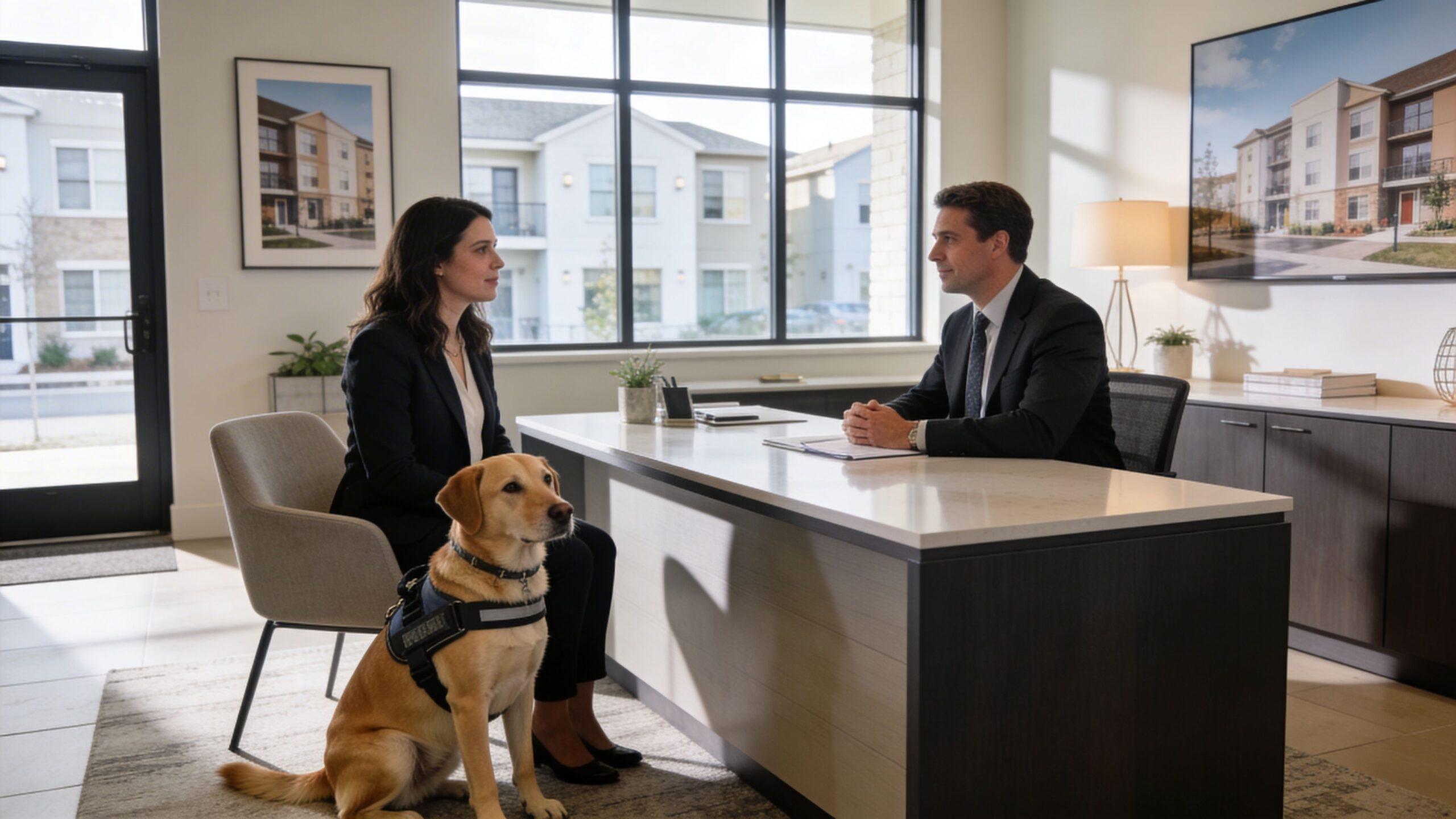
For renters with emotional support animals or service animals, understanding your rights under housing laws is essential. These animals may have different legal protections than standard pets. However, documentation requirements can vary, so it is important to follow proper procedures.
Creating a Pet-Friendly Interior in Any Apartment
Once you secure the perfect rental, the next step is transforming it into a safe and welcoming environment. Even apartments without built-in pet amenities can become comfortable sanctuaries with thoughtful design choices.
Start by identifying potential hazards. Secure loose cords, remove toxic plants, and ensure balconies or windows are safe. Investing in durable furniture and washable slipcovers can help maintain a clean and stylish living space. Designated feeding and sleeping areas give pets a sense of structure and ownership within the home.
Vertical solutions can be especially useful in apartments. Wall-mounted shelves for cats or compact dog crates that double as furniture maximize limited space. For small apartments, creative storage keeps clutter under control and prevents stress for both you and your pet.
Scent management is another important factor. Regular cleaning routines, quality air filters, and proper ventilation contribute to a fresh environment. A clean apartment not only improves daily living but also protects your security deposit when it is time to move out.
Building a Community That Welcomes Pets
A pet-friendly apartment is part of a broader ecosystem. Neighbors, management, and local businesses all contribute to your overall experience. Introducing yourself and your pet to neighbors can foster goodwill and reduce potential complaints. Responsible pet ownership, including prompt waste cleanup and respectful noise management, helps maintain a positive community reputation.
Many cities now host pet meetups, training classes, and adoption events. Engaging with these opportunities strengthens your bond with your animal and expands your social network. For renters who may be new to a city, pets often serve as natural conversation starters and connectors.
Over time, your apartment becomes more than a rental unit. It becomes the setting for morning walks, lazy weekends, and small moments that shape daily life. When you choose wisely, a pet-friendly apartment can provide stability, comfort, and joy during seasons of growth and transition.
Finding the Place You Both Deserve
Searching for a pet-friendly apartment may feel overwhelming at first, especially in competitive rental markets. But with a clear understanding of policies, budgeting strategies, and lifestyle priorities, you can approach the process with confidence. The goal is not simply to find a landlord who allows pets. It is to find a home that supports your shared life. Take your time, ask thoughtful questions, and prioritize both practical needs and emotional well-being. A thoughtfully chosen apartment can reduce stress, protect your finances, and create an environment where your pet thrives. In the end, the perfect rental is not just about square footage or amenities. It is about creating a space where companionship, comfort, and daily routines blend seamlessly into a life you are proud to call home.