Moving into a new apartment often comes with the assumption that the space will already be clean, but clean and truly move-in ready are not always the same thing. Even professionally cleaned apartments can hide dust, residue, and buildup in places that only become obvious once you start living there. A deep clean before unpacking creates a psychological reset as much as a physical one. It turns the apartment from someone else’s former space into a fresh environment that feels entirely yours. This process also gives you a chance to inspect the apartment closely, understand how everything works, and catch maintenance issues early. Starting with a deep clean means you’re not working around boxes, furniture, or clutter, making the job faster and more effective. More importantly, it sets a standard for how you want the space to feel every time you walk through the door.
A: Yes—empty rooms make everything faster, and you won’t miss baseboards or corners behind furniture.
A: Top to bottom, and by zones—finish kitchen and bathroom first since they take the most effort.
A: Focus on high-touch surfaces and the bathroom/kitchen; regular cleaning is enough for most other areas.
A: Take photos immediately and notify management—documenting condition protects your deposit later.
A: You can, but never mix it with other cleaners; many people prefer disinfectants that don’t create harsh fumes.
A: Clean drains, wipe surfaces, wash soft items, ventilate, and use charcoal/baking soda absorbers.
A: Bathroom scrub + kitchen degrease + floors—those three make the apartment feel instantly new.
A: If they smell or look stained, a professional clean can be worth it—otherwise spot-treat and vacuum well.
A: Studio/1-bed often 3–6 hours; bigger units take longer—split it by zones to stay sane.
A: Microfiber cloths, all-purpose cleaner, dish soap, a scrub brush, disinfectant, and a vacuum/broom.
Preparing the Space Before the First Wipe
Before any serious cleaning begins, preparation makes all the difference. An empty apartment is a rare opportunity, and taking advantage of it saves time and effort later. Start by opening windows if possible to improve airflow and bring in fresh air. This helps with drying time and reduces the smell of cleaning products. Walk through each room slowly, noting areas that need extra attention, such as scuffed baseboards, sticky cabinet doors, or dusty vents. This walkthrough helps you clean methodically rather than randomly.
Gathering supplies ahead of time prevents interruptions. Basic cleaners, microfiber cloths, sponges, a mop, and a vacuum are usually enough for most apartments. You don’t need specialty products for every surface, but having the right tools ready allows you to move efficiently from room to room. Turning on lights in every space helps reveal dust, smudges, and buildup that might otherwise be missed.
Starting From the Top and Working Down
A successful deep clean follows a logical flow, and gravity plays a big role in that strategy. Starting from the top of each room ensures that dust and debris fall downward rather than contaminating freshly cleaned surfaces. Ceiling corners, light fixtures, vents, and fans often collect surprising amounts of dust, especially in apartments that have been vacant for a short time. Wiping these areas first immediately improves air quality and reduces allergens.
Walls and doors come next, especially around high-touch areas like light switches and door handles. Even when they look clean, these surfaces often carry smudges and fingerprints. Baseboards and trim should be wiped down after walls, as they tend to collect dust and hair over time. Finishing with floors ensures that everything that has fallen during cleaning is removed in one final pass, leaving the room feeling genuinely refreshed.
The Kitchen Reset That Makes Cooking Feel Safe
The kitchen deserves extra attention because it’s one of the most heavily used spaces and the most sensitive to hygiene. Even in apartments that appear clean, kitchens often have hidden grime in cabinets, drawers, and appliances. Begin by wiping the inside of cabinets and drawers before placing anything inside. Crumbs, dust, and residue are common and easy to miss without a thorough check.
Appliances should be cleaned inside and out. Refrigerators often need shelving wiped down, ovens may have leftover residue, and dishwashers can benefit from a quick interior rinse. Countertops, backsplashes, and sinks should be sanitized, paying close attention to seams and edges where buildup tends to hide. Finishing the kitchen with a clean floor ties everything together and makes the space feel ready for your first meal rather than like a place you’re cautiously using.
Bathroom Deep Cleaning for a True Fresh Start
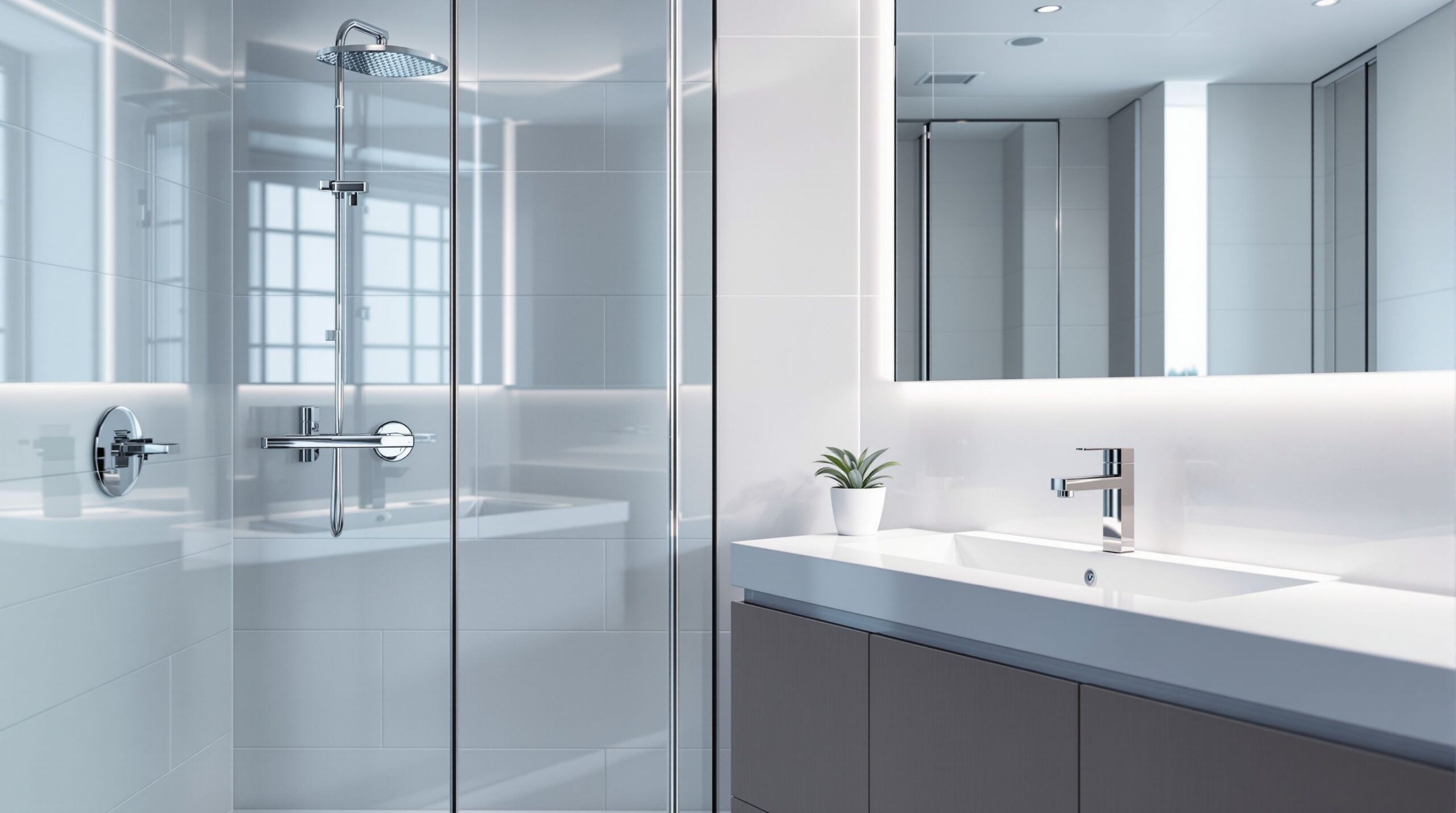
Bathrooms are the space where deep cleaning has the biggest emotional payoff. Even a visually clean bathroom can feel uncomfortable until you’ve personally sanitized it. Start with the shower or tub, focusing on grout lines, corners, and fixtures where soap residue often builds up. Cleaning these areas thoroughly not only improves appearance but also prevents mildew from forming later.
Sinks, faucets, and countertops should be cleaned with attention to detail, especially around drains and handles. Toilets require full sanitization, including the base and surrounding floor area. Mirrors and glass surfaces should be polished last to avoid streaks from splashes. Floors are often overlooked in bathrooms, but they collect hair, dust, and moisture. A thorough clean here completes the space and gives you confidence that the bathroom is genuinely ready for daily use.
Bedrooms and Living Areas That Feel Instantly Calmer
Bedrooms and living spaces benefit from a deep clean that emphasizes calm and comfort. Closets should be wiped down before hanging clothes, as dust tends to settle inside unused spaces. Window sills and tracks are another commonly missed area that can dramatically improve how fresh a room feels once cleaned. These spaces collect dirt from outside and often go untouched for long periods.
Floors in living areas deserve special attention, especially if the apartment has carpet. Vacuuming slowly and thoroughly makes a noticeable difference, and hard floors should be mopped after vacuuming to remove fine dust. Cleaning these areas before furniture arrives ensures that nothing traps dirt underneath and that your first night in the apartment feels relaxed rather than unfinished.
Hidden Details That Separate Clean From Truly Clean
What separates a standard clean from a deep clean is attention to the details people rarely notice until they’re dirty. Light switches, outlet covers, door handles, and thermostat panels are touched daily but often skipped during routine cleaning. Wiping them down not only improves hygiene but subtly elevates how the apartment feels.
Air vents, filters, and intake covers also deserve attention. Dust buildup here affects air quality and can circulate through the apartment once the system is running. Checking under sinks for residue or minor leaks while cleaning can also prevent future issues. These small steps don’t take much time, but they create a sense of thoroughness that’s hard to replicate later once the apartment is fully furnished.
Locking In the Clean Before Unpacking Begins
Once the deep clean is finished, the final step is preserving that fresh start. Avoid bringing in boxes or furniture until floors are fully dry and surfaces are set. Placing clean liners in cabinets and drawers before unpacking keeps everything tidy from day one. This is also a good time to take photos of the cleaned apartment for your records, especially if you want documentation of the condition at move-in. A move-in deep clean isn’t about perfection; it’s about control and comfort. It allows you to unpack knowing that every item you place has a clean foundation beneath it. More than anything, it helps you settle in faster, breathe easier, and enjoy the feeling that your new apartment truly belongs to you. When the cleaning is done before the boxes are opened, the transition from moving day chaos to everyday life feels smoother, calmer, and far more rewarding.