Moving into a walk-up apartment sounds simple in theory, but the reality often hits the moment you stand at the bottom of the stairs staring up at multiple flights. There is no elevator to rely on, no easy shortcut, and no way around the physical and mental challenge ahead. Whether you are heading up two flights or five, a walk-up move requires preparation, strategy, and the right mindset. Unlike traditional moves, where logistics revolve around distance and transportation, walk-up moves are defined by repetition and endurance. Every item must be carried, every step climbed, and every trip planned. What might take a few hours in an elevator-equipped building can easily double or triple in a walk-up. This is where many people lose their patience, energy, and sometimes even their sanity.
A: Packing boxes too heavy and assuming strength alone will solve everything.
A: Yes, whenever possible—it makes stairs, turns, and doorways much easier to manage.
A: Water, snacks, chargers, toiletries, medicine, toilet paper, and a change of clothes.
A: Often yes because they stack well, hold shape, and are easier to grip securely.
A: Declutter first, use multipurpose furniture, and pack items tightly but not too heavily.
A: Mattresses, sofas, dressers, and anything long, bulky, or awkward around corners.
A: Move slowly, pad sharp edges, protect floors, and be extra careful on turns and landings.
A: For many walk-ups, waves are easier because they reduce fatigue and chaos.
A: Keep loads smaller, balanced, clearly labeled, and easy to set down safely.
A: Plan the route, lighten the load, take breaks, and remember that steady progress beats stairwell panic.
Planning the Move Like a Tactical Operation
A walk-up move is not something you want to improvise. It requires a level of planning that goes beyond basic packing and scheduling. The more intentional your approach, the smoother the entire process will be.
Start by mapping out the details of your move. How many flights of stairs are there? How wide are the stairwells? Are there tight corners or narrow landings that could complicate larger items? Understanding the physical layout of the building allows you to anticipate challenges before they happen.
Timing also plays a crucial role. Moving during cooler parts of the day can reduce fatigue and make the process more manageable. Early mornings or late afternoons are often ideal, especially during warmer months. Coordinating help is equally important. Whether you are relying on friends, family, or professional movers, having a clear schedule ensures that everyone knows their role.
Breaking the move into phases can also improve efficiency. Instead of trying to move everything at once, consider prioritizing essential items first, followed by less critical belongings. This approach prevents overwhelm and allows you to establish a functional space early in the process.
Planning transforms a chaotic experience into a structured one. It gives you a roadmap to follow, reducing uncertainty and keeping stress levels in check.
Packing Smarter, Not Heavier
When it comes to walk-up apartments, the weight of your belongings matters more than ever. Every extra pound is multiplied by every flight of stairs, turning small inefficiencies into major obstacles. Smart packing is about reducing strain while maintaining organization.
One of the most effective strategies is limiting box weight. It is tempting to fill large boxes to maximize space, but in a walk-up, this quickly becomes counterproductive. Smaller, lighter boxes are easier to carry and reduce the risk of injury. They also allow for more consistent pacing, which is critical during a physically demanding move.
Distributing weight evenly is another important factor. Instead of packing all heavy items together, spread them across multiple boxes. This creates balance and makes each trip more manageable. Fragile items should be packed securely but not excessively padded to the point of adding unnecessary weight.
Labeling becomes even more valuable in a walk-up scenario. When you know exactly where each box belongs, you can place it in the correct room on the first trip, eliminating the need to move it again later. This small detail can save significant time and energy.
Packing smarter is not just about convenience. It is about preserving your strength and maintaining momentum throughout the move.
Mastering the Stair Strategy
Stairs are the defining feature of a walk-up move, and how you approach them can make or break your experience. Developing a strategy for navigating stairs efficiently is essential.
The first principle is pacing. Rushing up and down flights of stairs may seem like a way to finish faster, but it often leads to exhaustion and mistakes. A steady, consistent pace is far more effective. It allows you to conserve energy and maintain control over each load.
Using proper lifting techniques is equally important. Keeping items close to your body, bending at the knees, and avoiding twisting movements can prevent injuries. When carrying larger items, communication with your partner is critical. Clear signals and coordinated movements ensure safety and efficiency.
Taking strategic breaks can also improve performance. Short pauses between trips allow your body to recover and reduce the risk of burnout. Hydration and nutrition play a role as well, especially during longer moves.
The stair strategy is about endurance, not speed. When you treat each trip as part of a larger system, the process becomes more manageable and less overwhelming.
Handling Large Furniture Without Chaos
One of the most challenging aspects of a walk-up move is dealing with large furniture. Items like couches, mattresses, and dressers can quickly turn into logistical puzzles when faced with narrow staircases and tight corners.
Preparation is key. Measuring both your furniture and the stairwell dimensions in advance can help you determine what will fit and how it needs to be maneuvered. In some cases, disassembling furniture is the best option. Removing legs, separating sections, or breaking down frames can make items significantly easier to carry.
Protecting both your belongings and the building is also important. Using moving blankets, padding, and straps can prevent damage during transport. This is especially important in rental properties, where damage to walls or railings could result in additional costs.
Teamwork becomes essential when handling larger items. Coordinated lifting, clear communication, and patience are all necessary to navigate challenging spaces. Sometimes, the best approach is to take a step back and reassess rather than forcing an item through a difficult angle.
Handling large furniture is less about strength and more about strategy. With the right approach, even the most awkward items can be moved safely and efficiently.
Managing Stress and Staying Mentally Sharp
A walk-up move is not just physically demanding; it is mentally taxing as well. The repetition, fatigue, and unexpected challenges can quickly lead to frustration if not managed properly.
Maintaining a positive mindset is one of the most powerful tools you have. Instead of focusing on the number of trips remaining, shift your attention to progress. Each completed trip is a step closer to the finish line. This perspective keeps motivation high and prevents overwhelm.
Music or audio can also help maintain energy and focus. A steady rhythm can make repetitive tasks feel more manageable and even enjoyable. Small rewards, such as breaks with snacks or drinks, provide additional motivation and create moments of relief throughout the process.
Communication with your team is equally important. Encouragement, clear instructions, and a sense of shared purpose can transform a stressful experience into a collaborative effort. When everyone feels supported, the entire process becomes smoother.
Mental resilience is just as important as physical strength. By managing stress effectively, you maintain control and keep the move on track.
Setting Up Your Apartment Efficiently from Day One
After the final box has been carried up the stairs, the next challenge begins: turning your new apartment into a functional living space. The way you approach this stage can significantly impact your overall experience.
Start by focusing on essential areas. Setting up your bed, organizing basic kitchen items, and creating a usable bathroom space should be top priorities. These elements provide immediate comfort and make the transition smoother.
Unpacking strategically is just as important as packing. Instead of opening every box at once, work room by room. This approach keeps the space organized and prevents clutter from taking over. As you unpack, take the opportunity to refine your layout and optimize your space.
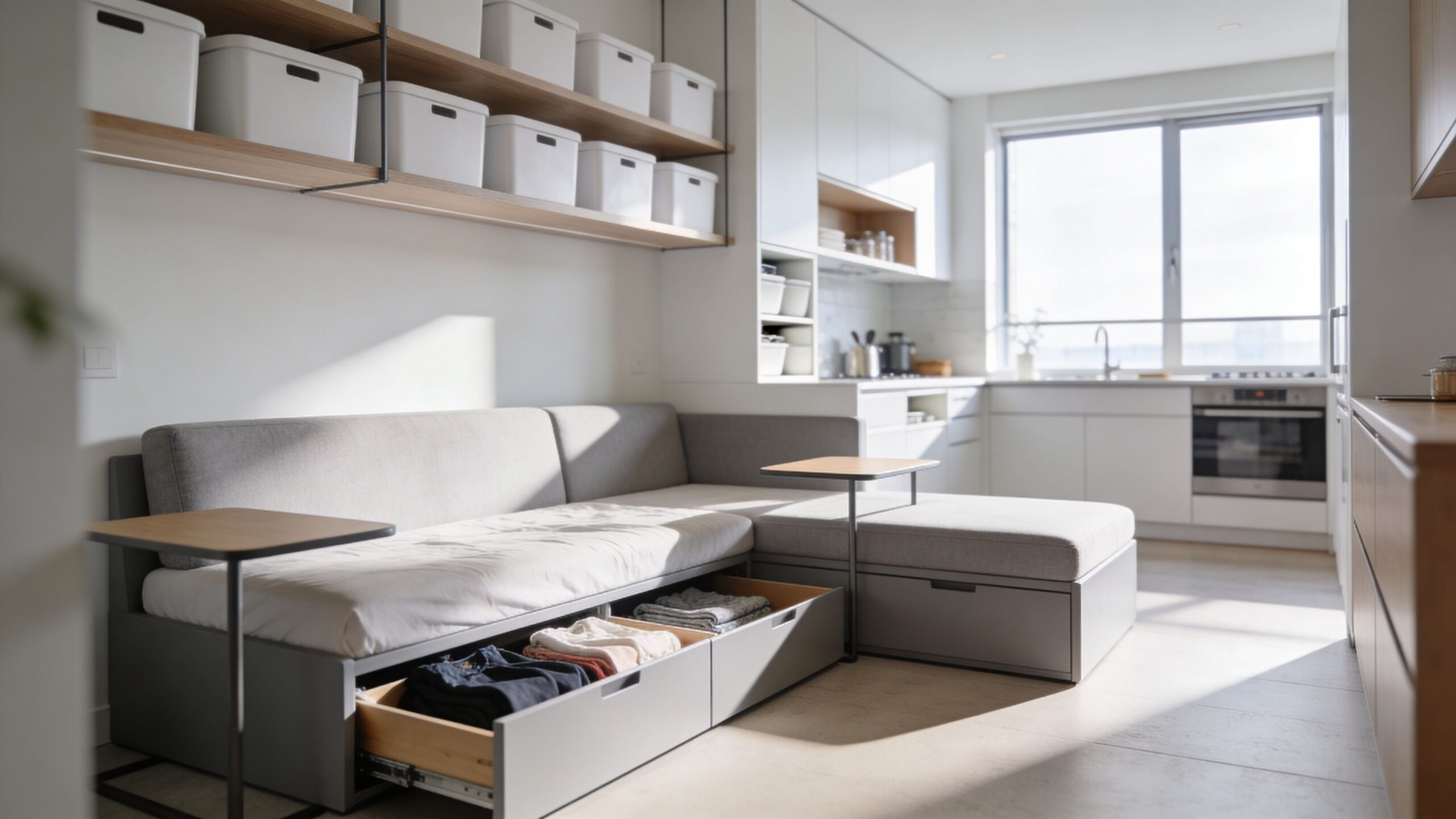
Storage solutions can also play a role in maintaining order. Using bins, organizers, and shelving systems ensures that everything has a designated place. This not only improves functionality but also creates a more visually appealing environment.
By setting up your apartment efficiently, you create a sense of accomplishment and stability. The chaos of moving quickly gives way to a comfortable and organized home.
Turning a Tough Move Into a Rewarding Experience
While moving into a walk-up apartment can be challenging, it also offers a unique sense of accomplishment. The effort required makes the end result feel more rewarding. Each item you carry, each step you climb, contributes to a space that is truly your own. This experience can also change the way you view your belongings. After carrying everything up multiple flights of stairs, you gain a new appreciation for what you own and a clearer understanding of what truly matters. This perspective often leads to more intentional living and better organization in the future. There is also a sense of resilience that comes from completing a walk-up move. It is a reminder that you can handle difficult tasks and adapt to challenging situations. This confidence extends beyond the move itself, influencing how you approach other aspects of life. In the end, moving into a walk-up apartment is more than just a logistical challenge. It is an opportunity to build discipline, strengthen relationships, and create a space that reflects your effort and determination. With the right strategies and mindset, you can navigate the process without losing your mind—and maybe even enjoy it along the way.