Decorating an apartment often comes with a unique challenge: you want your space to feel personal, stylish, and comfortable, but you also have to respect lease agreements, landlord rules, and the reality that your home is temporary. While these limitations might seem restrictive at first, they actually open the door to a different kind of creativity—one that prioritizes flexibility, innovation, and intentional design. Instead of seeing restrictions as obstacles, the most successful apartment decorators treat them as design parameters. When you know you cannot paint walls freely or make permanent changes, you begin to think in layers. You focus on pieces that can be moved, swapped, or adapted over time. This approach not only protects your security deposit but also creates a living space that evolves with you.
A: Yes, lightweight art can often be hung with removable strips or displayed by leaning it on furniture.
A: Not always—test first and check the lease because some paints and finishes can still be damaged.
A: Lighting, rugs, textiles, and freestanding furniture usually create big impact with low risk.
A: Add layered lighting, a large rug, coordinated textiles, art, and a few statement pieces with texture.
A: Yes, they can support dividers, under-sink organization, closet solutions, and decorative fabric panels.
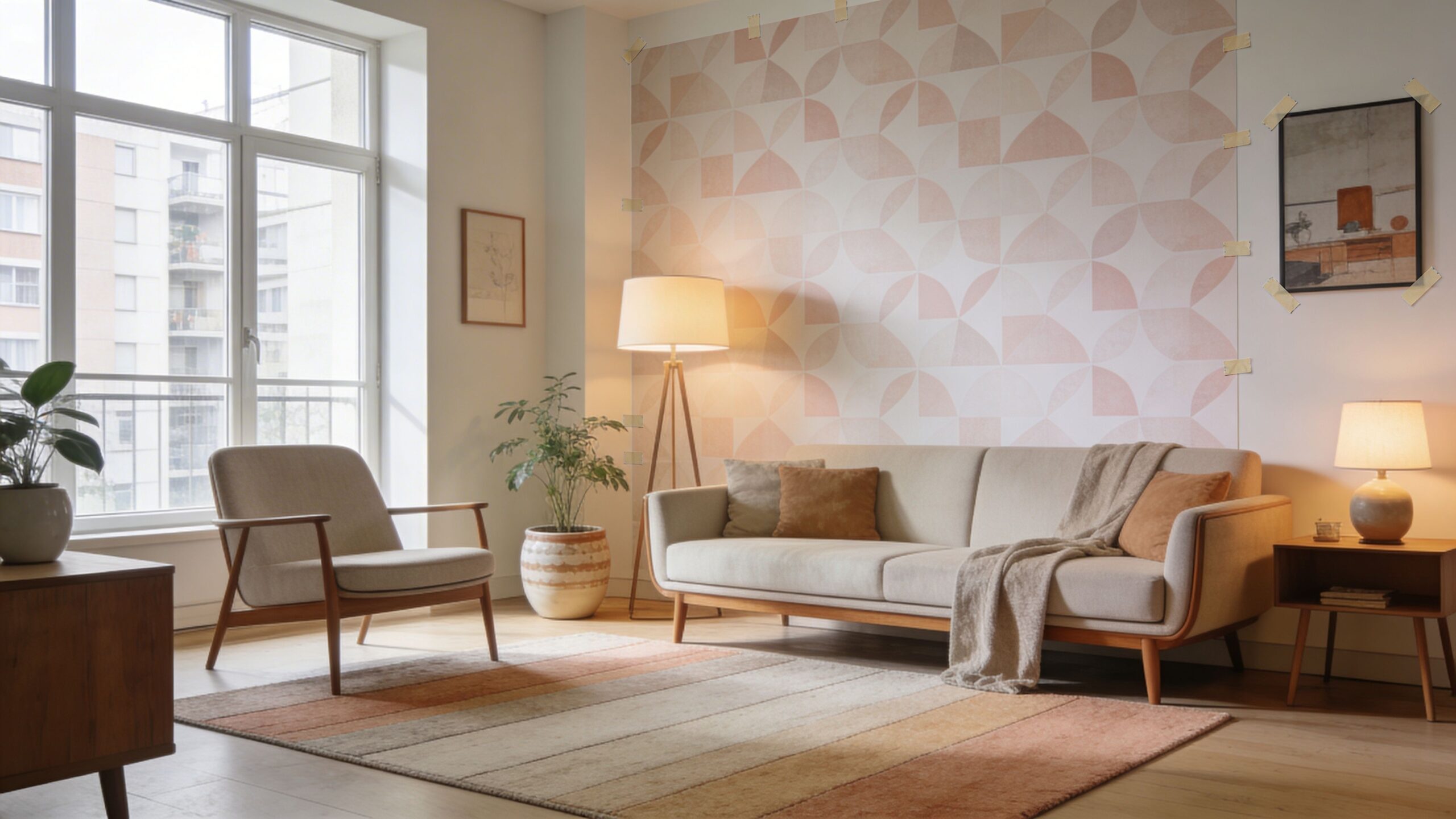
A: Use removable wallpaper, art, rugs, curtains, and colorful accessories instead of permanent wall changes.
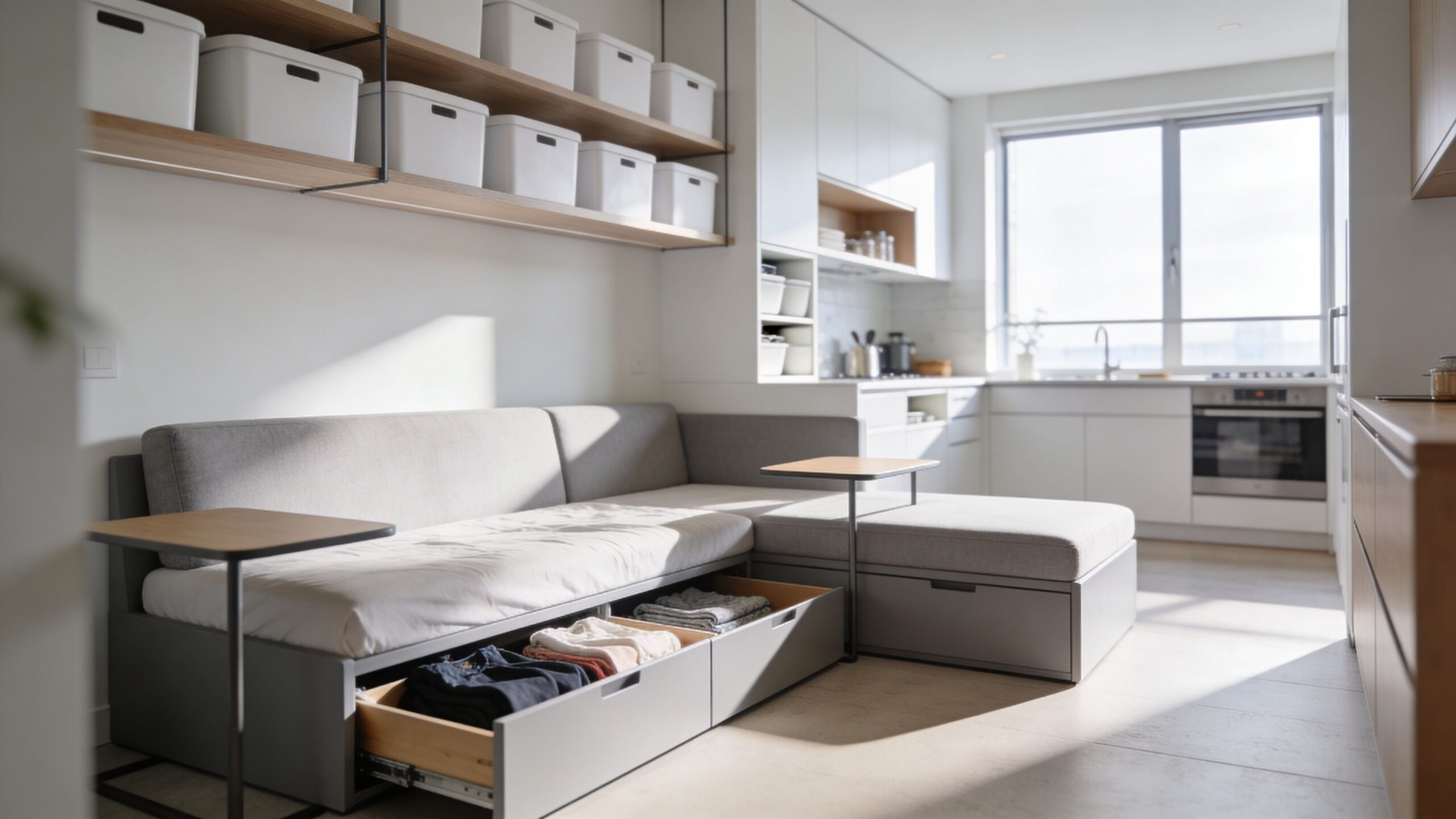
A: Choose fewer, larger pieces, keep a consistent palette, and prioritize décor that also adds storage.
A: You often can improve the feel more safely with lamps, plug-in sconces, and warmer bulbs rather than changing fixtures.
A: Holes, paint tears, adhesive residue, moisture damage, and unapproved fixture changes are common problems.
A: Think stylish but reversible—every great choice should look good now and come off clean later.
Understanding Lease Rules Before You Design
Before diving into décor ideas, the most important step is understanding what your lease allows. Every apartment has its own set of guidelines, and overlooking them can lead to unnecessary costs or complications when it is time to move out.
Some leases prohibit painting walls, while others allow it with approval or require repainting before leaving. Mounting heavy items, drilling holes, or modifying fixtures may also be restricted. Even seemingly small changes, like swapping out light fixtures or installing shelving, can fall into gray areas depending on your landlord’s policies.
Taking the time to read your lease carefully gives you clarity. It allows you to design confidently rather than cautiously. If something is unclear, reaching out to your landlord for clarification can often open up more possibilities than you expect. Some landlords are flexible as long as changes are reversible or professionally handled.
This knowledge becomes the foundation of your decorating strategy. Instead of guessing what is allowed, you build your design plan around clear boundaries, ensuring that every choice you make is both stylish and safe.
Creating Big Visual Impact Without Permanent Changes
One of the most exciting aspects of apartment decorating is discovering how much visual transformation can happen without altering the structure of the space. Temporary design solutions have evolved significantly, offering high-end looks without long-term commitment.
Removable wallpaper is a standout option. It allows you to introduce color, texture, or pattern to walls without damaging the surface. Whether you prefer subtle neutrals or bold statement designs, peel-and-stick wallpaper can completely redefine a room. It is especially effective for accent walls, entryways, or behind beds and sofas.
Lighting also plays a major role in visual impact. Swapping out harsh overhead lighting for layered lighting solutions—such as floor lamps, table lamps, and LED strips—can dramatically change the mood of a space. Warm lighting creates a cozy atmosphere, while strategically placed lights highlight key design elements.
Large-scale artwork or framed prints can transform blank walls without the need for paint. Leaning oversized frames against walls or using removable hooks allows you to create gallery-style displays without drilling. Textiles like rugs, curtains, and throws further enhance the visual experience, adding depth and warmth.
These techniques prove that you do not need permanent changes to achieve a dramatic transformation. With the right elements, your apartment can feel entirely new without violating any rules.
Smart Wall Décor That Leaves No Trace
Walls are one of the most important aspects of any interior design, yet they are also the most restricted in rental spaces. Fortunately, modern solutions make it possible to decorate walls creatively without leaving any lasting marks.
Adhesive hooks and strips have become essential tools for renters. They can support a wide range of items, from artwork to mirrors, without damaging paint or drywall. When used correctly, they provide a secure and reliable way to personalize your space.
Fabric wall hangings, tapestries, and lightweight panels offer another dimension of design. They add texture and visual interest while being easy to install and remove. These pieces can also help soften acoustics, making your apartment feel more comfortable.
For those who want a more structured look, leaning décor is an effective strategy. Large mirrors, framed art, or decorative panels can be placed against walls instead of mounted. This approach creates a sophisticated, layered aesthetic while completely avoiding wall alterations.
Wall décor in apartments is about balance. You want to create visual interest without risking damage. By choosing renter-friendly solutions, you can achieve both style and peace of mind.
Furniture Placement as a Design Power Move
In a space where structural changes are limited, furniture becomes one of your most powerful design tools. Strategic placement can redefine how a room feels, making it appear larger, more organized, and more intentional.
Instead of pushing all furniture against walls, consider creating zones within your apartment. A sofa can act as a divider between living and dining areas, while a bookshelf can separate a workspace from a sleeping area. These subtle shifts create a sense of structure without the need for physical barriers.
Scale is another important factor. Oversized furniture can overwhelm a small apartment, while pieces that are too small can make the space feel fragmented. Choosing furniture that fits the proportions of your room ensures a balanced and cohesive look.
Mobility also plays a role. Lightweight or modular furniture allows you to rearrange your space easily, adapting it to different needs or occasions. This flexibility is especially valuable in apartments, where versatility is key.
By thinking of furniture as both functional and decorative, you can transform your apartment into a well-designed environment without making a single permanent change.
Layering Textiles for Comfort and Style
Textiles are one of the most effective ways to add personality to an apartment. They introduce color, texture, and warmth while remaining completely renter-friendly. Through thoughtful layering, textiles can elevate even the simplest spaces.
Rugs are a foundational element. They define areas, add comfort underfoot, and protect flooring. In apartments with less-than-ideal flooring, a well-chosen rug can completely change the look and feel of a room. Layering rugs can also create visual interest and depth.
Curtains play a dual role in both function and design. They control light, provide privacy, and soften the overall aesthetic. Even if your apartment comes with basic blinds, adding curtains can make the space feel more polished and complete.
Throw blankets and decorative pillows bring additional layers of comfort. They allow you to experiment with patterns and colors without committing to permanent changes. Because they are easy to swap out, they also make seasonal updates simple and affordable.
Textiles are the finishing touch that ties everything together. They make a space feel lived-in, inviting, and uniquely yours.
Personalizing Your Space Without Permanent Marks
Personalization is what turns an apartment into a home. It reflects your personality, your experiences, and your style. The challenge in a rental is achieving this without making irreversible changes.
One approach is to focus on movable décor. Items like plants, books, and decorative objects can tell a story without altering the structure of your space. Plants, in particular, bring life and energy into an apartment, creating a connection to nature.
Another strategy is to curate meaningful displays. Instead of scattering items throughout the space, group them intentionally. A small collection of personal objects displayed on a shelf or table can have a stronger impact than a large number of unrelated items.
Scent and ambiance also contribute to personalization. Candles, diffusers, and subtle fragrances can influence how a space feels. Combined with lighting and décor, they create a multisensory experience that goes beyond visual design.
Personalization does not require permanence. It requires intention. By choosing elements that reflect who you are, you can create a space that feels authentic and complete.
Designing for Move-Out Ease and Long-Term Flexibility
One of the most overlooked aspects of apartment decorating is planning for the eventual move-out. While it may seem far away, designing with this moment in mind can save time, money, and stress. Choosing décor that is easy to remove or transport ensures a smooth transition when it is time to leave. Removable solutions, modular furniture, and lightweight items are all easier to pack and adapt to new spaces. This approach also allows you to reuse your décor, making it a long-term investment rather than a temporary fix. Keeping track of any changes you make, even reversible ones, can also be helpful. Taking photos before and after decorating provides a reference point for restoring the apartment to its original condition if needed. Flexibility is the ultimate advantage. When your décor is not tied to one specific layout or structure, you can easily adapt it to future homes. This makes your investment in design more valuable over time. Decorating an apartment without breaking the rules is not about limitation. It is about mastering a style of living that prioritizes creativity, adaptability, and intention. With the right approach, you can create a space that feels both personal and polished, all while staying fully within the boundaries of your lease.