There’s an unforgettable moment that hits every renter: the instant you insert your key into a brand-new front door and step into what will soon be your home. The excitement is real, the anticipation is electric, but there’s something else that should be just as immediate—evaluating the safety of the space you’re about to trust with your life, your belongings, and your daily routine. Many renters rush the move-in process, eager to unpack boxes and arrange furniture, without realizing that the first and most important step is a complete safety check. It’s not glamorous, but it’s essential. The truth is, apartment safety is one of the biggest factors influencing comfort, long-term well-being, and peace of mind. This move-in moment is the perfect time to perform a thorough, thoughtful evaluation. Everything is empty. Nothing has been touched. And you have the clearest view you will ever have of how safe and secure your living environment really is. From fire protection to structural integrity, from appliance function to mental health comfort, every element matters. This guide explores the safety essentials every renter needs to check before committing to their new space and offers a comprehensive, practical look at what ensures your home is ready for life—your life.
A: Landlords usually must provide working alarms; renters should test monthly and report issues in writing.
A: Many leases allow re-keying with landlord approval; always provide a copy of the new key if required.
A: Yes—building policies rarely cover your belongings or personal liability; renters insurance is typically low-cost.
A: Document with photos, notify the landlord immediately, and request written remediation steps and timelines.
A: Only if the lease allows; choose tip-over/overheat protected models and keep them three feet from anything flammable.
A: Local occupancy codes and the lease set limits; overcrowding can be unsafe and violate fire regulations.
A: Doors/locks, alarms, outlets, plumbing, windows, stairways, lighting, and clearly mapped escape routes.
A: Often yes for interior-only devices; always check lease terms before altering doors, frames, or common areas.
A: Keep written records, contact local housing or code enforcement, and know your rights under local renter laws.
A: A flashlight, batteries, small first-aid kit, basic tools, bottled water, snacks, and copies of key documents.
Doors, Locks, and Entry Points That Protect Your Space
Your front door is your first line of defense and the most important threshold in your apartment. The moment you arrive on move-in day, examine the door closely. A solid-core front door should feel heavy, sturdy, and resistant to impact. If it rattles, bends, or feels flimsy, that’s your first indicator that it may not provide the protection you need. Test the deadbolt, handle lock, and any supplemental security features. There should be no sticking, grinding, or loose hardware. Everything should fit snugly, operate smoothly, and feel firmly anchored.
Inside the apartment, inspect every secondary door, including balcony doors, sliding doors, or patio entrances if you have them. Sliding doors are often overlooked because they feel modern and convenient, yet they can be one of the weakest security points in an apartment. Ensure the latch locks fully, the track is clean, the door slides properly, and there is no space that could be manipulated from the outside. With patio or balcony doors, look for visible cracks, weakened frames, or misaligned locks that could compromise both safety and privacy.
Windows are equally important. Every window should open, close, and lock correctly. Press gently around the frames to confirm stability. Make sure older windows don’t jam or slip out of place, and check that newer ones sit tightly within their tracks. This isn’t just about preventing intruders—proper window function is crucial for ventilation, emergency escape, and moisture prevention. When these features work well, you gain a safer, quieter, and more comfortable home experience from day one.
Fire Protection, Detectors, and Life-Saving Essentials
Every renter should feel confident that their apartment can protect them in emergencies. Fire safety systems are non-negotiable. Start by locating all smoke detectors throughout the apartment. They should be installed in bedrooms, hallways, and central living spaces. Press the test button on each one to make sure it’s operational, and listen for a strong, consistent alarm. If any detector is chirping, quiet, or unresponsive, request replacements immediately. Smoke detectors are only useful when they work.
If your unit includes carbon monoxide detectors, ensure that they function properly as well. CO is odorless, invisible, and deadly, so these detectors are essential in apartments with gas heating, gas stoves, or attached garages. Confirm that your apartment also has a clear, easy-to-access fire extinguisher or that your building provides them in hallways. If you have a kitchen fire extinguisher, verify that it is not expired and that the pressure gauge is in the safe zone. Next, check your escape routes. Stand at your front door and imagine an emergency. Are hallways clear? Are stairwells well-lit? Are exit signs visible? If you’re in a high-rise building, take note of evacuation postings and your closest stairwell locations. Elevators are not part of an emergency exit plan, so stair access is vital. Finally, test your apartment’s ventilation systems, including bathroom fans, stove hoods, and HVAC filters, as these contribute to safe air circulation and help prevent fire hazards associated with poor airflow.
Structural Safety, Stability, and the Integrity of Your New Home
While renters don’t typically think about structural issues during move-in, these behind-the-scenes elements can impact your safety more than you may realize. Begin with the floors. Walk barefoot around the apartment to feel for uneven spots, loose boards, soft patches under carpet, or tiles that shift under pressure. These aren’t just cosmetic issues; they can signal water damage, subfloor deterioration, or structural weakening—problems that can worsen with time. Inspect the walls next. Look for large cracks, water stains, bubbling paint, or discoloration. These can indicate leaks, mold growth, or even foundational stress. Pay close attention to areas around windows, bathroom ceilings, and corners. If anything looks suspicious, report it immediately. It’s far easier to address structural concerns before you’ve settled in and installed furniture. Doors and cabinets should open smoothly without scraping or sticking, and they should close securely. Loose hinges, warped doors, or cabinets that don’t align properly may signal humidity issues or swelling from prior water exposure. The same goes for countertops—they should feel secure and properly sealed, without cracks or gaps where moisture can seep into the material.
Finally, evaluate the water pressure in every faucet and shower, the temperature accuracy of the hot water, and the stability of plumbing beneath sinks. Leaky pipes, low water pressure, and inconsistent heating often point to deeper maintenance issues that could affect both your safety and long-term comfort. Your new home should feel reliable, sturdy, and built to support your everyday life without hidden surprises.
Lighting, Outlets, and Electrical Safety That Keeps You Protected
Electrical systems can be silent hazards when not properly maintained. Before move-in, turn on every light switch in the apartment. Watch for flickering, buzzing, or delayed response. Any of these signs could suggest loose wiring, faulty fixtures, or overloaded circuits. Check ceiling lights, lamps, bathroom fixtures, and hallway lighting, both inside your unit and in shared building areas. Well-lit spaces are safer spaces. Walk through your apartment and inspect each electrical outlet. They should be firmly attached to the wall, without gaps, cracks, or loose plates. Plug in a small device to confirm functionality. Test kitchen outlets to ensure they are GFCI-protected, especially near sinks. Bathrooms and laundry areas should also have GFCI outlets that reset properly when pressed. These systems help protect you from electrical shock in moisture-rich spaces. If your apartment includes large appliances like refrigerators, ovens, microwaves, or dishwashers, test each one individually. They should turn on smoothly, emit no burnt smells, and run quietly without rattling or overheating. Listen for unusual sounds or vibrations that could indicate motor issues or worn-out internal parts. For gas appliances, inspect the connection points and make sure the gas line feels secure and properly sealed. Your electrical panel is another important element. Locate it and check that circuit labels are clear, legible, and accurate. If anything seems mislabeled or sloppy, bring it to the landlord’s attention. Electrical safety is foundational to your well-being, and making sure everything runs cleanly and efficiently helps prevent hazards including sparks, outages, surges, and even fires. Better to identify issues now than after you’ve unpacked everything.
Appliances, Water Systems, and Everyday Safety Factors Renters Overlook
Everyday appliances can become serious hazards when not functioning correctly. Begin in the kitchen. Test the stove burners one by one and check for even heating. The oven should reach temperature without producing smoke or burning smells. Open and close the refrigerator door and check the seal for proper suction. If the fridge wobbles or hums loudly, it may need adjustment or servicing. The dishwasher should run quietly without leaking beneath it. In the bathroom, inspect sinks, tubs, and toilets for cracks, leaks, or unusual sounds. Turn on the shower to test temperature consistency and drainage. Slow drains or low pressure may indicate clogged pipes or ventilation problems. Run the bathroom fan to make sure it pulls moisture effectively; poor ventilation can lead to mold growth, slippery floors, and long-term respiratory issues.
Check for mold in corners, along ceilings, behind doors, and inside cabinets. Mold often hides in forgotten spaces, so take your time. It can appear as black, green, or brown patches and often carries a damp or earthy smell. If you see any signs, report it before moving in so proper remediation can occur. Test the thermostat to ensure it responds quickly and accurately. Heating and cooling systems should run smoothly without grinding or knocking sounds. Poor HVAC performance affects not only energy bills but also indoor air quality and comfort. Replace or verify the condition of air filters to reduce allergens and improve airflow. Your washer and dryer, if provided, should run without shaking excessively, producing burning odors, or leaking water. Proper dryer ventilation is especially important for fire prevention. Misaligned or clogged dryer vents are one of the top causes of apartment fires, so a quick inspection now can save you from major trouble later.
Community Safety, Building Environment, and Neighborhood Awareness
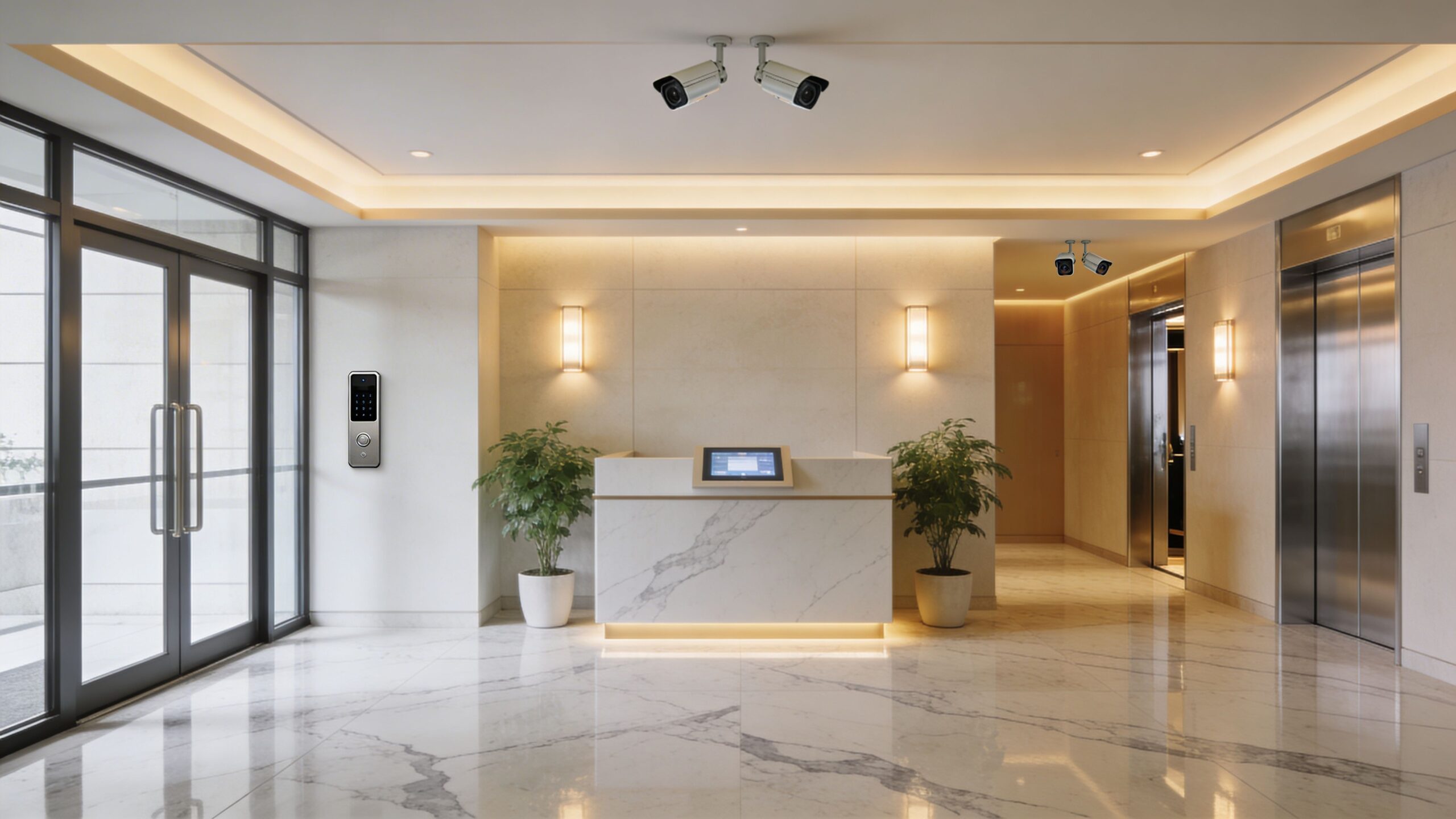
Your apartment itself might be safe, but the building and neighborhood are equally important. Start with the building’s entry system. Do exterior doors lock automatically? Are there working security cameras in common areas? Are package rooms, mailrooms, and hallways well-lit? These signs indicate a community that prioritizes safety.
Walk through the building to observe cleanliness and maintenance. A well-kept building typically signals responsive management. Check the condition of stairways, handrails, elevators, and shared amenities. Look for signs of neglect such as chipped paint, broken lights, trash in hallways, or blocked emergency exits. These small details reveal much about ongoing upkeep.
Step outside and take note of the neighborhood atmosphere. Are sidewalks well-maintained? Are streetlights bright and functional? Do nearby units feel lived-in and stable? Listen for excessive noise, observe traffic flow, and notice how secure the area feels at different times of the day. Many renters overlook this step entirely, yet it significantly influences long-term happiness and safety.
Talk to neighbors if possible. Residents can reveal the real story behind a building’s management responsiveness, noise levels, safety concerns, or neighborhood trends. Their experiences help you understand what the building’s “personality” is like—something you can’t find in any listing description or online review.
Final Safety Walkthrough and Peace of Mind Before Move-In
Once you’ve evaluated all major systems, perform one final walkthrough in your empty apartment. Imagine yourself living in the space day after day. Open and close doors as if you were coming home at night. Turn on the shower as if starting your morning routine. Stand in each room and look for anything that feels off or unsafe. Listen closely for rattles, drips, humming, or airflow issues. Smell for musty odors or unfamiliar scents that could signal hidden problems. Take photos or videos of any issues you find and send them to your landlord before moving any items inside. Not only does this protect you from security deposit disputes, but it also ensures that safety concerns are addressed by professionals before you settle in. It’s easier to make repairs in an empty unit, and this step helps create a healthy working relationship with your landlord from the start. Finally, trust your instincts. If something feels wrong, speak up. A safe apartment should feel comfortable, secure, and fully functional. Every system—from locks to lighting, from appliances to airflow—should support your well-being. When everything checks out, you’ll have complete peace of mind knowing you’ve evaluated your space thoroughly and made a smart, informed decision.