
Choosing an apartment is about more than square footage, finishes, or location—it’s about peace of mind. Security plays a quiet but powerful role in shaping your day-to-day life, influencing how comfortably you sleep, how confidently you come and go, and how safe you feel leaving your belongings behind. Yet, many renters overlook the subtle signs that distinguish a well-secured building from one that simply looks the part. Understanding how to evaluate apartment security is not about paranoia—it’s about awareness. From the moment you step onto the property to the time you lock your door at night, every detail tells a story. By learning what to look for, you can move beyond surface impressions and identify whether a building truly prioritizes the safety of its residents.
A: A controlled entrance with working locks, good lighting, and no easy public access is a strong first indicator.
A: No, cameras help most when they are paired with secure entry, good maintenance, and resident awareness.
A: Not always, but it usually needs stronger window protection, lighting, and visibility than higher floors.
A: Yes, ask about locks, cameras, package theft, visitor access, and how maintenance issues are handled.
A: They can, especially when lost fobs are deactivated quickly and access logs are managed properly.
A: Look for broken gates, dark hallways, unsecured side doors, weak door hardware, and signs that strangers can enter easily.
A: In many buildings, yes—visible staff can improve oversight, response time, and resident confidence.
A: Use renter-friendly devices like door bars, window alarms, privacy film, and safes where allowed.
A: Because deliveries are constant, and unsecured package areas can become one of a building’s biggest weak spots.
A: Reliable entry control, bright shared spaces, maintained hardware, responsive management, and residents who follow the rules.
First Impressions That Speak Volumes
The exterior of an apartment building often reveals more about its security than you might expect. A well-maintained property tends to reflect active management and attention to detail—both of which are essential for strong security practices. Clean grounds, functioning lighting, and clearly marked pathways suggest that the property is monitored and cared for regularly.
Lighting is especially important. Walk around the building during the evening if possible. Are parking lots, walkways, and entrances well-lit, or are there dark corners where visibility drops off? Good lighting not only deters unwanted activity but also increases your own sense of safety when arriving home after dark.
Another early indicator is access control. Are entrances clearly defined, or can anyone wander freely into the building? Secure properties typically limit entry points and ensure they are monitored or locked. If you notice propped-open doors or broken entry systems, it may signal a lack of enforcement or oversight.
Controlled Access and Entry Systems
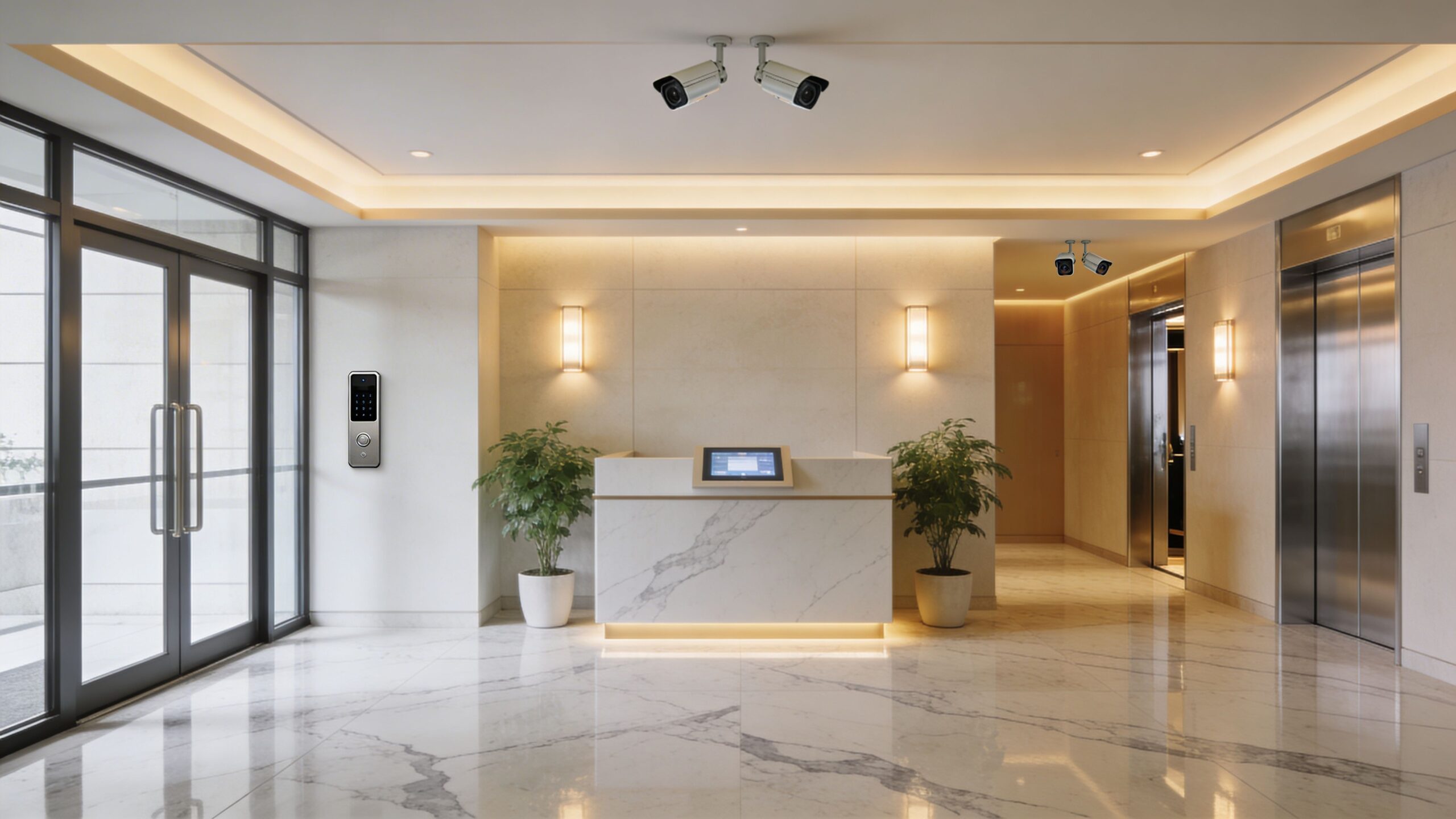
A strong security system begins at the front door—literally. Controlled access is one of the most critical features of a safe apartment building. This includes key fobs, keypad entry systems, intercoms, or even smartphone-based access technologies that allow residents to manage who enters the building.
The effectiveness of these systems lies not just in their presence but in their consistency. A secure building ensures that all entry points are properly maintained and regularly inspected. If doors do not latch properly or access systems are frequently bypassed, the entire structure becomes vulnerable.
Intercom systems add another layer of protection, allowing residents to verify visitors before granting access. In more advanced buildings, video intercoms provide visual confirmation, enhancing both convenience and safety. These systems create a buffer between the outside world and your personal space, which is essential in multi-unit living environments.
Surveillance That Actually Works
Security cameras are one of the most visible indicators of safety, but their presence alone does not guarantee protection. What matters is how they are used. Effective surveillance systems are strategically placed to cover entrances, hallways, parking areas, and common spaces without blind spots.
Look for signs that cameras are actively monitored or at least regularly reviewed. Some buildings display notices indicating surveillance, which can act as a deterrent. Others may have on-site staff or remote monitoring services that respond to incidents in real time.
It’s also worth considering the condition of the equipment. Cameras that appear outdated, damaged, or poorly positioned may not provide reliable coverage. A well-secured building invests in modern systems and ensures they are functioning properly. This commitment reflects a proactive approach to safety rather than a reactive one.
The Role of On-Site Management and Staff
Behind every secure building is a management team that takes responsibility for maintaining safety standards. Responsive and attentive management can make a significant difference in how secure a property feels. When issues arise—whether it’s a broken lock or suspicious activity—timely action is essential.
On-site staff, such as concierge personnel or security guards, can further enhance safety. Their presence alone often discourages unauthorized access and provides residents with a point of contact for concerns. In buildings with higher security needs, trained personnel may monitor entrances, conduct patrols, or manage surveillance systems.
Even in properties without dedicated security staff, management practices still matter. Regular communication with residents, clear policies regarding access and behavior, and a willingness to address concerns all contribute to a safer living environment. When management is engaged, security becomes a shared priority rather than an afterthought.
Apartment-Level Security Features That Matter
While building-wide measures are important, your individual unit should also provide a strong sense of security. High-quality door locks are a basic requirement, but there are additional features that can significantly enhance your safety.
Solid-core doors offer greater resistance than hollow ones, and deadbolt locks add an extra layer of protection. Peepholes or door viewers allow you to see who is outside before opening the door, while door chains or secondary locks provide additional control over entry.
Windows should also be secure, particularly in ground-floor units. Functional locks, reinforced glass, or window sensors can help prevent unauthorized access. If you’re considering a unit with a balcony, check whether sliding doors have proper locking mechanisms and whether the balcony itself is easily accessible from outside.
These features may seem small, but together they create a barrier that protects your personal space. A secure apartment building ensures that each unit meets a consistent standard, reducing vulnerabilities across the property.
Community Awareness and Resident Behavior
Security is not just about systems and infrastructure—it’s also about the people who live in the building. A community that values safety contributes to a more secure environment for everyone. Residents who are mindful of their surroundings, report suspicious activity, and follow access protocols help maintain the integrity of the building’s security measures.
Pay attention to how residents interact with the property. Do they allow strangers to “tailgate” into the building, or do they respect access rules? Are common areas well-used and monitored, or do they feel neglected and isolated? These behaviors can indicate whether security policies are taken seriously.
Community communication also plays a role. Some buildings use apps, bulletin boards, or email systems to share updates and alerts. This transparency keeps residents informed and engaged, fostering a sense of collective responsibility. When people feel connected and aware, they are more likely to contribute to a safe environment.
Parking Areas and Exterior Security Considerations
Parking areas are often overlooked, but they are a critical component of apartment security. Whether it’s a garage or an open lot, the level of protection in these spaces can significantly impact your overall safety.
Secure parking areas typically feature controlled access, such as gated entry with key fobs or remote controls. Cameras and adequate lighting are essential, ensuring visibility and monitoring at all times. In enclosed garages, ventilation and clear sightlines also contribute to a safer environment.
Consider how easy it would be for someone to access the parking area without authorization. If gates are frequently left open or access systems are unreliable, it may indicate a weakness in the building’s security strategy. Additionally, check whether there is a clear path from the parking area to your unit that remains well-lit and monitored.
These exterior considerations are especially important for residents who return home late at night. A secure transition from your vehicle to your apartment can make a significant difference in how safe you feel.
Trusting Your Instincts and Making the Final Decision
At the end of the day, security is both a tangible and emotional experience. While systems and features provide measurable protection, your instincts also play an important role. If something feels off during your visit—whether it’s a poorly maintained entryway or a lack of responsiveness from management—it’s worth taking seriously. Ask questions when touring a property. Inquire about security policies, incident history, and maintenance practices. A transparent management team will be willing to provide answers and demonstrate their commitment to safety. Choosing an apartment with strong security is an investment in your well-being. It allows you to focus on building your life without constant चिंता or concern. By paying attention to the details, asking the right questions, and trusting your judgment, you can find a place that not only meets your needs but also protects what matters most. In a world where peace of mind is increasingly valuable, a secure apartment is more than a convenience—it’s a foundation for a better living experience.


