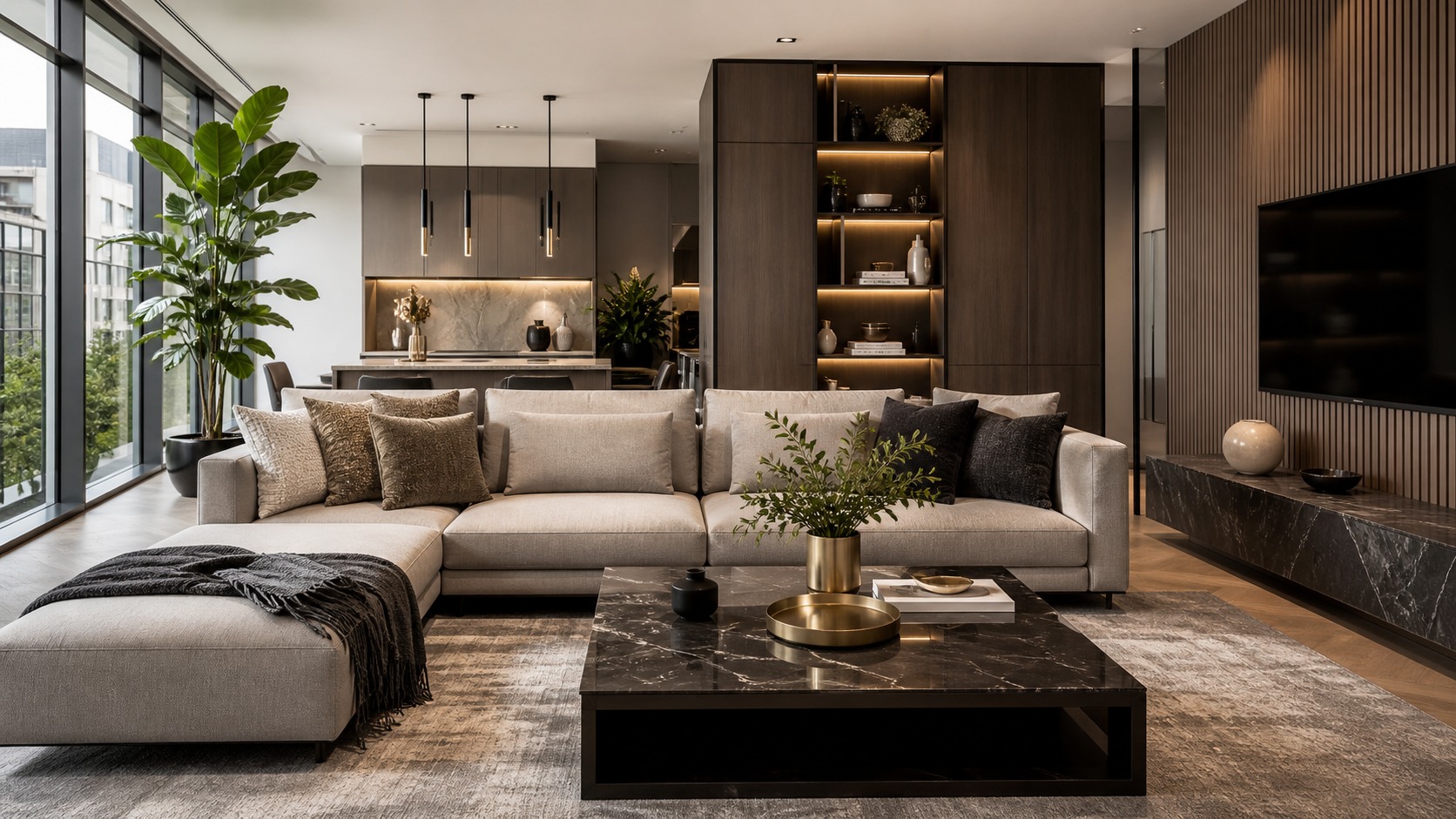
Small apartments have become the modern canvas for creative living. Whether you are working with a studio apartment, a compact one-bedroom, or a city loft with limited square footage, the challenge is no longer simply fitting everything into the room. The real goal is creating a home that feels open, breathable, stylish, and inviting. The best small apartment decorating ideas do not rely on expensive renovations or knocking down walls. Instead, they use thoughtful design techniques that visually expand the room while improving comfort and functionality at the same time. A small apartment can feel surprisingly luxurious when every design choice works together with purpose. Color palettes, furniture placement, lighting, textures, storage solutions, and even the shape of mirrors can dramatically affect how large a room appears. The most successful compact spaces embrace simplicity without feeling empty and maximize functionality without sacrificing personality. When done correctly, a smaller home can feel warmer, more organized, and more visually stunning than a larger house filled with clutter.
A: Soft whites, warm neutrals, pale grays, and muted natural tones usually make rooms feel more open.
A: Not always. A few properly scaled pieces often look better than many tiny pieces.
A: They reflect light and create visual depth, especially across from windows or bright walls.
A: A slim, low-profile sofa with exposed legs usually keeps the room feeling open.
A: Use removable hooks, peel-and-stick products, leaning art, tension rods, and freestanding shelves.
A: Not if sized correctly. A larger rug can actually make the space feel more unified.
A: Use rugs, lighting, furniture placement, open shelving, or curtains to create soft zones.
A: Avoid bulky furniture, cluttered surfaces, dark corners, and too many competing decor styles.
A: Choose vertical storage, hidden storage, under-bed storage, and furniture that serves more than one purpose.
A: Declutter, brighten the lighting, add a mirror, open the floor path, and simplify the color palette.
Light Colors That Open Up the Entire Room
One of the oldest design tricks remains one of the most effective. Light colors instantly make rooms feel larger because they reflect natural and artificial light more efficiently than dark tones. Shades of white, cream, soft gray, pale beige, and muted pastels create an airy atmosphere that visually pushes walls outward and prevents a cramped feeling.
This does not mean every apartment should become a blank white box. Layering subtle tones adds depth while maintaining openness. Soft sandy walls paired with ivory furniture and warm oak accents create a sophisticated and welcoming environment. Pale sage green or dusty blue can introduce personality while still keeping the room visually expansive.
Ceilings deserve special attention in small apartments. Painting the ceiling a lighter shade than the walls creates the illusion of height, making the room feel taller and more open. In apartments with lower ceilings, this simple adjustment can completely transform the atmosphere.
Flooring continuity also matters more than most people realize. Using the same flooring throughout multiple rooms creates a seamless visual flow that makes the apartment feel larger overall. Abrupt flooring changes break up the space visually and can unintentionally make rooms feel segmented and smaller.
Natural light amplifies all of these effects. Sheer curtains or light-filtering drapes allow sunlight to bounce around the room while maintaining privacy. Heavy dark curtains often consume visual space and make apartments feel more enclosed.
Furniture That Works Hard Without Looking Heavy
Oversized furniture is one of the fastest ways to overwhelm a small apartment. Bulky couches, thick coffee tables, and massive entertainment centers can dominate limited floor space and instantly shrink the room visually. Choosing furniture with slimmer profiles creates a lighter and more open environment.
Leggy furniture is particularly effective because exposed floor space underneath pieces helps the room breathe visually. Sofas, chairs, and tables raised off the ground create more visible flooring, which tricks the eye into perceiving a larger area. Mid-century modern furniture styles are especially popular in small apartments because of their sleek proportions and elevated designs.
Multifunctional furniture becomes essential in compact living spaces. A storage ottoman can serve as seating, hidden storage, and a coffee table all at once. A bed frame with built-in drawers eliminates the need for a bulky dresser. Fold-out dining tables and nesting side tables provide flexibility without permanently consuming valuable space.
Scale matters just as much as function. Instead of filling a room with multiple small pieces, sometimes a single appropriately sized statement item works better. A compact sectional sofa may actually create a cleaner appearance than several scattered chairs crowding the room.
Transparent furniture can also make a remarkable difference. Acrylic coffee tables, glass dining tables, and lucite chairs visually disappear into the room, reducing visual clutter while still serving practical purposes.
Mirrors That Create the Illusion of Endless Space
Few decorating techniques are as transformative in small apartments as strategic mirror placement. Mirrors reflect light, duplicate visual depth, and create the illusion of expanded square footage almost instantly.
A large mirror placed opposite a window can double the amount of natural light entering the room while visually extending the space beyond the wall itself. This technique is especially useful in apartments with limited windows or darker interiors.
Floor-to-ceiling mirrors dramatically increase the perceived height of a room. Leaning oversized mirrors against walls creates a casual yet luxurious aesthetic while enhancing openness at the same time. Mirrored closet doors can also serve dual purposes by maximizing functionality while reflecting light throughout the apartment.
Grouping smaller mirrors together can function as decorative wall art while still producing the same spacious effect. Circular mirrors soften harsh lines in compact spaces and create a more fluid visual rhythm throughout the room.
However, balance remains important. Too many mirrors can create visual confusion or make the apartment feel overly reflective. The goal is thoughtful placement that enhances light and depth without overwhelming the design.
Clever Storage Solutions That Eliminate Visual Clutter
Clutter is one of the primary reasons small apartments feel cramped. Even beautifully designed spaces can appear chaotic and uncomfortable when storage is lacking. Smart organization creates visual calm, which immediately makes rooms feel larger and more relaxing.
Vertical storage is one of the most effective solutions for compact apartments. Tall bookshelves, wall-mounted cabinets, and floating shelves maximize unused wall space while keeping floors more open. Drawing the eye upward also emphasizes ceiling height and makes rooms feel taller.
Hidden storage is equally valuable. Under-bed storage containers, benches with concealed compartments, and furniture with built-in drawers help reduce visible clutter while maintaining functionality. In smaller apartments, every piece of furniture should ideally contribute to storage in some way.
Open shelving can work beautifully when styled carefully. Minimal decorative items, coordinated storage baskets, and organized displays create a curated appearance instead of visual chaos. Overcrowded shelves, on the other hand, can make the apartment feel significantly smaller.
Closets should also be optimized to their fullest potential. Slim hangers, hanging organizers, shelf dividers, and stackable storage bins maximize every inch of available space. A well-organized closet reduces overflow into the main living area and helps maintain a clean aesthetic throughout the apartment.
Minimalism plays an important role here as well. Decorating a small apartment does not mean eliminating personality, but intentional editing creates a more spacious and peaceful environment.
Lighting Techniques That Transform Compact Interiors
Lighting influences how large or small a room feels more than almost any other design element. Poor lighting creates shadows and dark corners that visually shrink a space, while layered lighting adds dimension, warmth, and openness.
Natural light should always be prioritized whenever possible. Keeping windows unobstructed allows sunlight to flow freely through the apartment. Furniture placed directly in front of windows can block light and interrupt visual openness.
Layered lighting creates a richer and more expansive atmosphere. Instead of relying solely on one overhead fixture, combining ambient, task, and accent lighting adds depth throughout the room. Floor lamps, table lamps, wall sconces, and LED strip lighting can all contribute to a more balanced and spacious appearance.
Wall-mounted lighting is especially valuable in small apartments because it frees up floor and table space. Swing-arm sconces beside the bed eliminate the need for bulky nightstands with lamps, while pendant lights over dining areas create stylish focal points without crowding surfaces.
Warm lighting generally creates a more inviting atmosphere than harsh cool lighting. Soft white bulbs help small apartments feel cozy and welcoming rather than sterile.
Reflective surfaces also amplify lighting effects. Metallic accents, glossy finishes, mirrors, and glass decor bounce light around the room and contribute to an overall brighter environment.
Layout Tricks That Improve Flow and Functionality
The arrangement of furniture significantly affects how spacious an apartment feels. Even beautiful furniture can make a room feel awkward if the layout blocks movement or interrupts visual flow.
Creating clear walking paths is essential. Furniture should never force people to squeeze through tight gaps or navigate around obstacles. Open circulation makes the apartment feel larger and more comfortable.
Floating furniture away from walls can surprisingly improve spaciousness in some layouts. While pushing every item against the wall may seem logical, allowing small gaps behind furniture can create a more balanced and intentional arrangement.
Area rugs help define separate zones in studio apartments or open-concept layouts. A rug beneath the living area visually separates it from the dining or sleeping space without adding physical barriers that close off the room.
Symmetry also creates a sense of order and openness. Matching lamps, balanced furniture arrangements, and centered focal points help compact spaces feel calmer and more visually cohesive.
Low-profile furniture can emphasize ceiling height as well. Sofas and beds positioned lower to the ground create more vertical breathing room above them, making the apartment feel taller overall.
Avoid overcrowding walls with excessive artwork or decor. A few larger statement pieces often work better than numerous small decorations competing for attention. Simplicity creates visual breathing room that enhances spaciousness.
Decorating With Texture Instead of Excess
Small apartments benefit from layered textures because texture adds warmth and personality without consuming additional space. Instead of filling the room with excessive decor items, thoughtful texture creates visual richness in a more subtle and sophisticated way.
Soft woven throws, linen curtains, velvet cushions, natural wood finishes, and textured rugs all contribute depth while maintaining simplicity. Mixing textures prevents neutral spaces from feeling flat or sterile.
Plants also introduce organic texture and life into compact apartments. Tall indoor plants draw the eye upward and create vertical interest, while smaller greenery softens corners and shelves. Plants naturally make interiors feel fresher and more vibrant.
Glass, metal, wood, and fabric should all work together harmoniously. Combining too many competing textures can create visual clutter, but carefully curated combinations produce a layered and elegant atmosphere.
Wall treatments can add depth without overwhelming the room. Subtle wallpaper patterns, vertical wood slats, or textured paint finishes introduce dimension while preserving openness. Vertical patterns are particularly effective because they elongate walls and emphasize height.
Textiles should complement the overall color palette rather than dominate it. Cohesive tones create continuity throughout the apartment and maintain the illusion of expanded space.
Creating a Small Apartment That Feels Luxurious and Spacious
The most successful small apartments are not defined by square footage but by intentional design. A compact home can feel sophisticated, peaceful, and visually expansive when every detail contributes to openness and functionality. Decorating small spaces is ultimately about creating balance between practicality and beauty. Luxury in small apartments often comes from restraint rather than excess. Clean lines, organized surfaces, carefully selected furniture, and thoughtful lighting create an atmosphere that feels elevated instead of crowded. Each design choice should serve a purpose while enhancing the overall visual harmony of the space. Personal style still matters deeply. Minimalism does not require eliminating warmth or individuality. Artwork, textiles, books, and meaningful decor can all coexist beautifully in a smaller apartment when curated thoughtfully. The key is intentionality rather than accumulation. As urban living continues to grow in popularity, small apartment decorating ideas have become more creative and innovative than ever before. Designers are constantly discovering new ways to maximize functionality while maintaining stunning aesthetics. The result is a modern approach to compact living that values comfort, efficiency, and beauty equally. A small apartment has the potential to become an extraordinary living space. With the right color palette, lighting, furniture, storage solutions, and layout strategies, even the tiniest rooms can feel surprisingly open and inviting. Instead of viewing limited square footage as a limitation, it can become the foundation for a smarter, more intentional, and more stylish way of living.