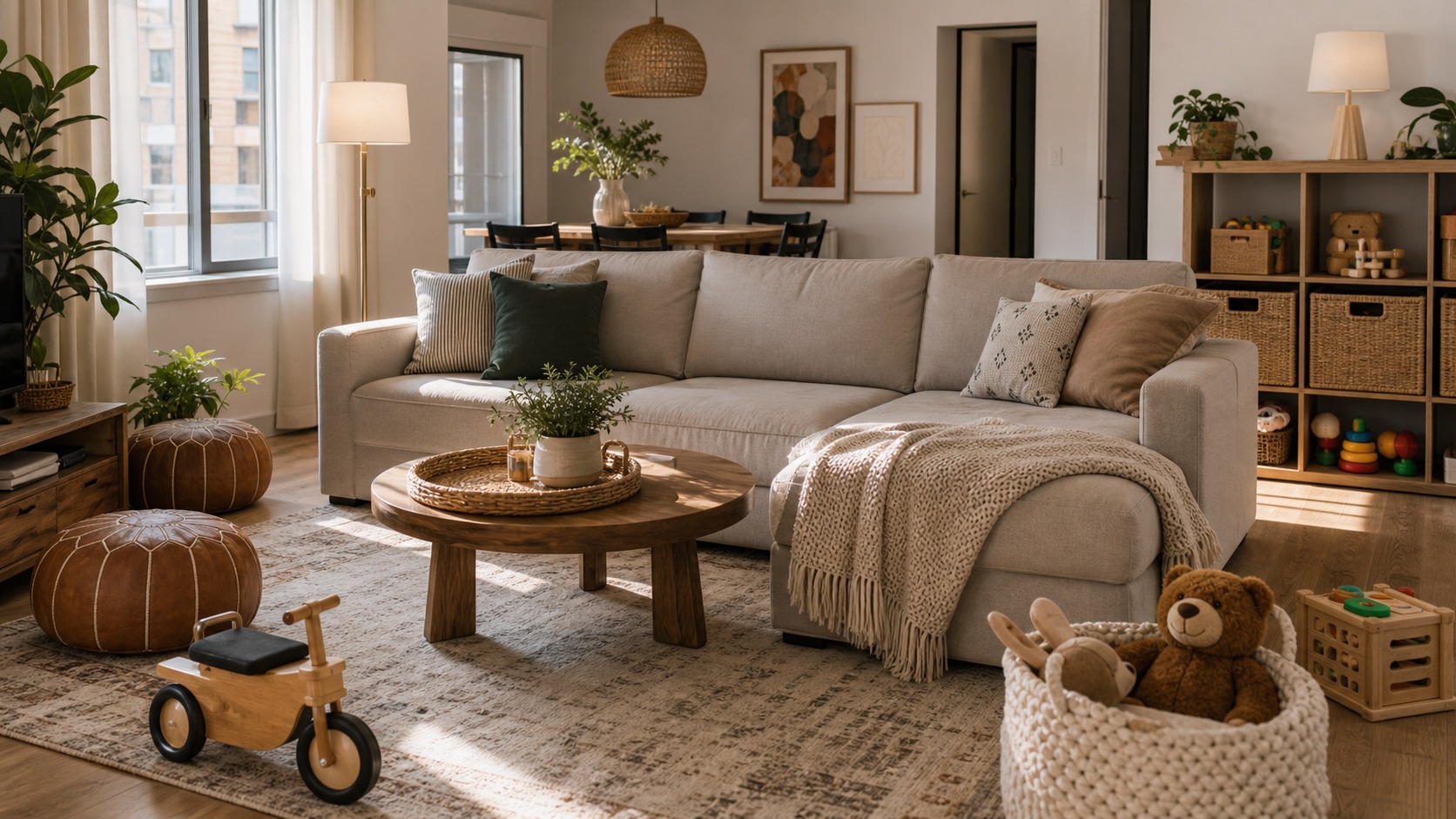
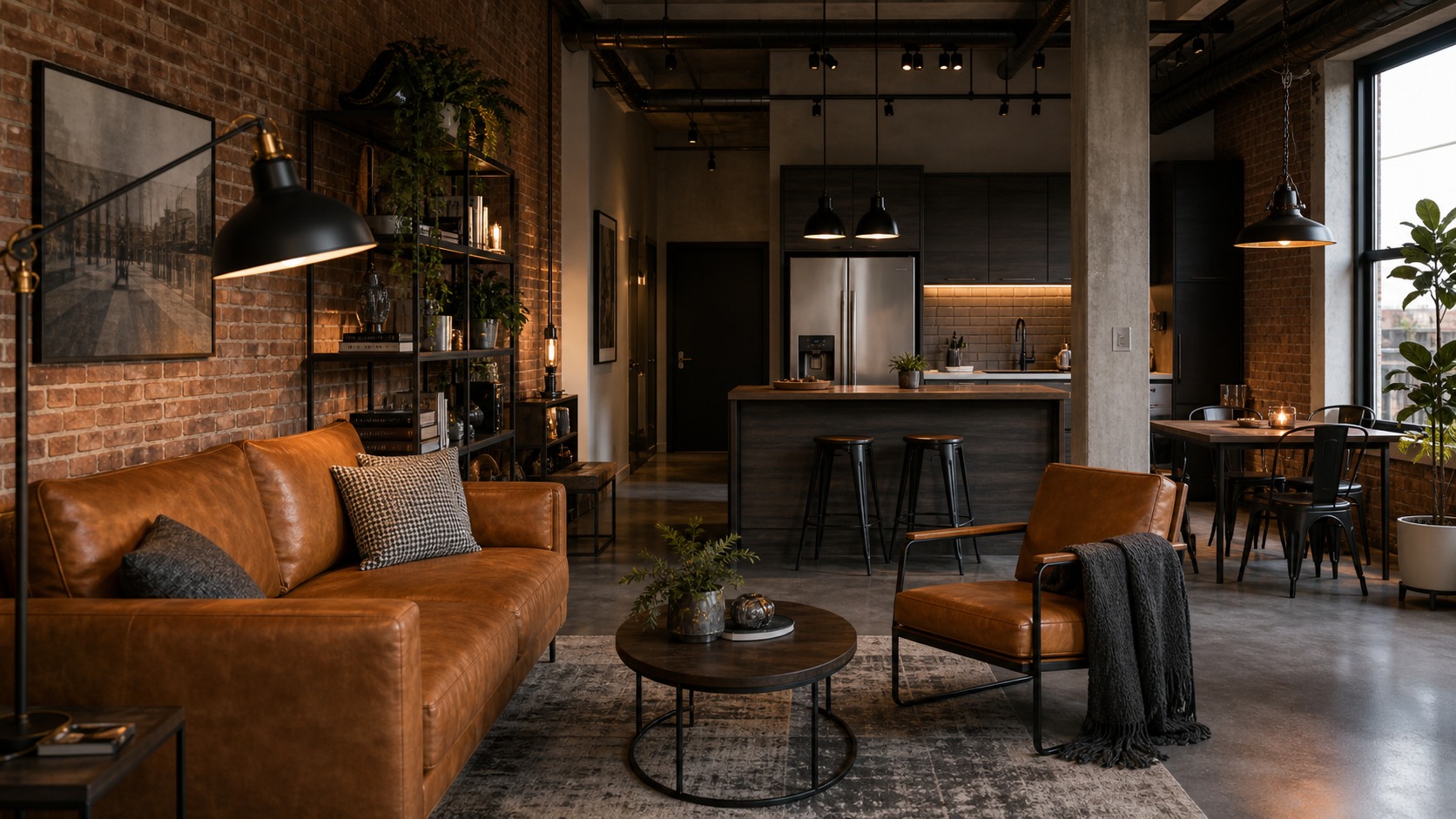
Studio apartments have evolved far beyond the stereotype of cramped city living. Today, they represent a modern lifestyle built around efficiency, creativity, and intentional design. Whether located in a bustling downtown district or a quiet urban neighborhood, studio apartments offer unique opportunities to create a home that feels stylish, functional, and surprisingly spacious. The secret lies in the layout. A thoughtfully designed studio apartment can feel open, comfortable, and luxurious even when square footage is limited. The challenge with studio apartments is balancing multiple living functions inside a single open room. Sleeping, dining, relaxing, working, and entertaining often happen within the same compact footprint. Without proper planning, the space can quickly feel cluttered and chaotic. But with smart layout strategies, carefully selected furniture, and creative visual separation techniques, even the smallest studio can become a beautifully organized retreat.
A: Use rugs, curtains, open shelving, folding screens, furniture placement, or lighting zones.
A: Place it away from the entry if possible, ideally near a wall or corner for privacy.
A: Multi-use pieces like storage beds, sofa beds, nesting tables, folding desks, and storage ottomans.
A: Keep pathways open, use light colors, add mirrors, choose low-profile furniture, and reduce clutter.
A: Yes, if it adds privacy without blocking too much light or making the room feel boxed in.
A: Use a small round table, wall-mounted table, drop-leaf table, or bar-height counter setup.
A: Use closed storage, under-bed bins, baskets, storage benches, and furniture with hidden compartments.
A: Yes. A corner desk, wall-mounted desk, console table, or foldaway workstation can work well.
A: Avoid pushing too much furniture into the room without leaving clear walking paths.
A: Add a rug to define the living area, improve lighting, and create a clearer furniture arrangement.
Creating Distinct Living Zones Without Walls
One of the most important principles in studio apartment design is establishing separate zones for different activities. Even though the apartment may technically be one room, visually dividing the space creates structure and makes the home feel larger and more organized.
The living area typically becomes the anchor of the apartment. Positioning the sofa strategically can help establish the boundaries between relaxation spaces and sleeping zones. Instead of pushing every piece of furniture against the wall, floating a couch in the center of the room can create a natural divider that separates functional areas without blocking openness.
Area rugs are one of the easiest ways to define spaces within a studio apartment. A rug beneath the sofa and coffee table visually signals the living room area, while another beneath the bed creates a separate bedroom atmosphere. This subtle separation gives the apartment a more intentional and layered design.
Bookshelves, open shelving units, and decorative screens also work beautifully as room dividers. Open shelving maintains airflow and light while creating privacy between spaces. Unlike solid walls, these dividers preserve the airy feeling that is essential in smaller apartments.
Lighting can further reinforce zoning. Pendant lights above a dining table, bedside sconces near the sleeping area, and warm floor lamps in the living space create distinct moods throughout the apartment. These layered lighting techniques help each section feel like its own destination.
Furniture Layouts That Maximize Every Square Foot
Furniture placement can completely transform how spacious a studio apartment feels. The wrong layout creates congestion and awkward pathways, while the right arrangement enhances movement and visual openness.
One of the most effective studio apartment layout ideas is using multifunctional furniture as the foundation of the design. A sleeper sofa provides daytime seating and nighttime sleeping accommodations without requiring separate bulky furniture pieces. Storage ottomans, expandable dining tables, and wall-mounted desks all contribute to flexibility while preserving floor space.
Low-profile furniture often works best in studio apartments because it allows sightlines to remain open throughout the room. Large oversized couches or towering entertainment centers can visually overpower compact spaces and make ceilings feel lower.
Keeping furniture slightly elevated off the floor also creates a more spacious appearance. Sofas and chairs with visible legs expose more flooring underneath, which visually expands the apartment. Mid-century modern furniture styles are especially effective for this reason.
In smaller studios, positioning furniture diagonally can create more dynamic flow and reduce the boxed-in feeling that sometimes occurs with rigid layouts. Angled arrangements encourage movement and help soften harsh room geometry.
The bed placement deserves careful consideration as well. In many studio apartments, placing the bed against the farthest wall helps maintain privacy and separation from the main living area. Murphy beds and wall beds are particularly useful in extremely compact studios because they disappear during the day and free up valuable living space.
Smart Storage Solutions That Eliminate Clutter
Storage plays a critical role in studio apartment comfort. Without proper organization, even beautifully decorated spaces can quickly feel overwhelming. Hidden storage and vertical organization are essential for maintaining a clean and breathable environment.
Vertical space often remains underutilized in small apartments. Tall shelving units, wall-mounted cabinets, and floating shelves maximize storage without consuming valuable floor space. Drawing the eye upward also makes ceilings appear taller and the apartment feel larger overall.
Under-bed storage is one of the most valuable layout strategies for studio apartments. Rolling bins, lift-up bed frames, and built-in drawers provide concealed storage for seasonal clothing, bedding, and personal items while keeping surfaces uncluttered.
Furniture with hidden compartments creates additional opportunities for organization. Coffee tables with lift tops, benches with storage interiors, and nesting tables all contribute functionality without crowding the apartment visually.
Closets should also be optimized with smart organizational systems. Slim hangers, shelf dividers, and hanging organizers maximize capacity and reduce overflow into the main living space. In compact apartments, closet efficiency directly affects how spacious the entire home feels.
Open shelving should remain carefully curated. A few decorative objects mixed with organized storage containers create a clean and intentional appearance. Overcrowded shelves filled with miscellaneous items can quickly make a studio apartment feel chaotic and visually heavy.
Light, Color, and Reflection for a More Open Feel
Color palettes have an enormous impact on how spacious a studio apartment feels. Light tones reflect more light throughout the room and visually push walls outward, creating a brighter and airier atmosphere.
Soft whites, warm creams, pale grays, and subtle earth tones work particularly well in compact apartments because they create continuity throughout the open floor plan. Instead of dividing the space visually, cohesive colors allow the eye to move smoothly from one zone to another.
Accent colors should be used thoughtfully rather than excessively. Muted greens, dusty blues, and warm terracotta tones can add character while maintaining the apartment’s open feeling. Too many contrasting colors can visually fragment the space and make it feel smaller.
Mirrors are one of the oldest yet most effective studio apartment layout tricks. Large mirrors reflect both natural light and surrounding space, instantly making rooms appear larger. Positioning a mirror opposite a window doubles the brightness in the apartment while enhancing depth.
Glass and reflective furniture surfaces contribute to this effect as well. Acrylic chairs, glass coffee tables, and metallic accents visually lighten the room and reduce the heaviness that solid furniture can create.
Natural light should remain as unobstructed as possible. Sheer curtains allow sunlight to flood the apartment without sacrificing privacy. Heavy drapes and dark window treatments often absorb light and create a more enclosed feeling.
Designing a Comfortable Sleeping Area in an Open Space
Creating a cozy sleeping zone within a studio apartment requires balancing privacy with openness. The bedroom area should feel restful and intimate without completely closing off the room.
Platform beds with built-in storage are particularly effective in studio apartments because they combine two essential functions into one streamlined design. Beds with lower profiles also preserve visual openness and make ceilings appear taller.
Partial dividers can create privacy without sacrificing natural light. Open bookshelves, slatted wood panels, curtains, or frosted glass partitions help separate the sleeping area while maintaining airflow and spaciousness.
Bedding choices also influence the atmosphere of the apartment. Light-colored bedding creates a softer and more expansive feeling, while layered textures add comfort without overwhelming the room visually. Linen fabrics, soft throws, and textured pillows help the sleeping area feel luxurious and inviting.
Wall-mounted lighting beside the bed eliminates the need for bulky nightstands and frees up additional floor space. Floating shelves can also replace traditional bedside tables while maintaining functionality.
For extremely compact studios, loft beds provide one of the most efficient layout solutions available. Elevating the sleeping area creates usable living or workspace underneath and dramatically increases functionality within a limited footprint.
Flexible Layouts for Modern Lifestyles
Studio apartments must often adapt to multiple daily activities. A single room may function as a home office in the morning, a dining area in the evening, and an entertainment space at night. Flexibility is essential for making compact living feel comfortable rather than restrictive.
Foldable and modular furniture allows the apartment to evolve throughout the day. Drop-leaf tables expand for dining and collapse afterward. Rolling carts can function as portable storage, kitchen prep areas, or bar stations depending on current needs.
Wall-mounted desks are especially valuable for remote workers living in studio apartments. They create functional workspace without permanently consuming square footage. When not in use, many fold neatly against the wall to restore openness.
Modular seating also enhances flexibility. Lightweight chairs and movable ottomans can be rearranged for entertaining guests or repositioned to create more floor space when needed.
Technology integration has become increasingly important in modern studio apartment layouts. Wireless lighting systems, hidden charging stations, and compact smart home devices reduce visible clutter and improve functionality without adding bulk to the room.
Minimalism often complements flexible living particularly well. By limiting unnecessary furniture and decor, studio apartments become easier to rearrange and adapt over time.
Adding Personality Without Overcrowding the Space
One of the biggest misconceptions about studio apartments is that they must feel plain or minimal to remain functional. In reality, compact apartments often feel most inviting when they reflect the personality and lifestyle of the person living there.
Artwork can make a powerful statement without consuming floor space. Large-scale art pieces often work better than many small frames because they create cleaner visual impact while reducing clutter. Vertical artwork also emphasizes ceiling height and contributes to a more expansive feeling.
Textures add warmth and richness to studio apartments without overwhelming them visually. Soft rugs, woven baskets, linen curtains, velvet cushions, and natural wood finishes all create layers of comfort and sophistication.
Plants bring life and movement into smaller apartments while improving the overall atmosphere. Tall indoor plants draw the eye upward, while smaller greenery softens shelves and corners. Even a few carefully placed plants can dramatically improve the energy of the space.
Personal collections should remain edited and intentional. Instead of displaying everything at once, rotating decorative items seasonally helps maintain freshness without overcrowding the apartment.
Scent and ambiance also contribute to comfort in studio living. Candles, diffusers, and soft lighting transform compact apartments into relaxing sanctuaries that feel emotionally spacious as well as physically organized.
Turning a Studio Apartment Into a Stylish Urban Retreat
The best studio apartment layouts combine beauty, efficiency, and comfort into one cohesive environment. Rather than viewing limited square footage as a disadvantage, modern design embraces the idea that smaller spaces can feel more intentional, curated, and luxurious than larger homes filled with unnecessary clutter. Every successful studio apartment begins with thoughtful planning. Defining zones, selecting multifunctional furniture, maximizing storage, and preserving visual openness all contribute to a home that feels balanced and inviting. The goal is not merely fitting everything into the apartment but creating a lifestyle that feels calm, organized, and enjoyable. Studio apartment living also encourages creativity. Limited space inspires smarter solutions, cleaner aesthetics, and more meaningful design choices. Each piece of furniture and decor becomes part of a carefully crafted environment where functionality and style work together seamlessly. As urban living continues to evolve, studio apartments remain one of the most exciting opportunities for innovative interior design. With the right layout ideas and decorating strategies, even the smallest apartment can become a stunning retreat filled with personality, comfort, and modern sophistication.