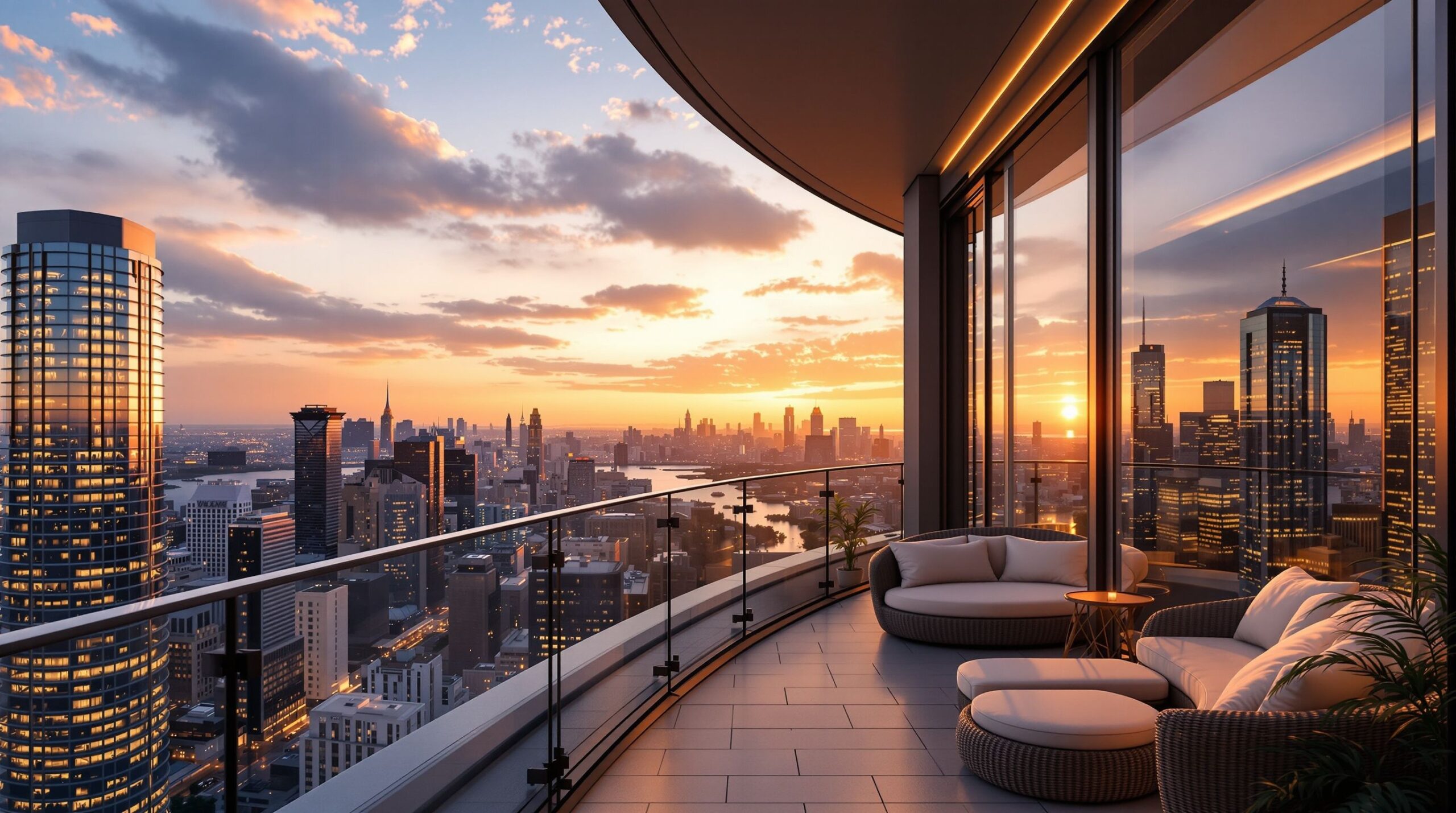
Studio apartments have long carried the reputation of being compact, cozy, and—let’s be honest—sometimes cramped. But in recent years, design innovation and creativity have turned that perception upside down. Today’s studio layouts prove that with clever planning, smart furniture, and thoughtful design, even a few hundred square feet can feel open, airy, and luxurious. The modern studio apartment isn’t a limitation—it’s an opportunity to master the art of efficient, elegant living. Whether you’re a student in the city, a digital nomad, or someone embracing minimalism, you can make your studio feel surprisingly spacious. Let’s explore how top designers and space-savvy renters are transforming these compact dwellings into comfortable, inspiring retreats.
A: Farthest from the entry and not blocking windows; use a rug or screen to define the zone.
A: Apartment-size sofa (68–76") with visible legs feels lighter than an overstuffed loveseat.
A: Yes—use a drop-leaf or round 30–36" table that also works as a desk.
A: One large anchor per zone; avoid small mats that fragment sightlines.
A: Ask first; peel-and-stick papers and removable paint palettes keep move-out simple.
A: Light neutrals with repeated accent hues; keep contrast low on large surfaces.
A: Lidded ottomans, under-bed drawers, and a basket per zone for daily drop-ins.
A: Tension or command-mount rods; hang high and wide to enlarge windows.
A: Corner, behind the sofa on a slim console, or a fold-down wall desk.
A: One large mirror opposite light + one smaller near entry; avoid a mirror on every wall.
Open Concepts That Don’t Feel Overwhelming
One of the defining characteristics of a studio apartment is its open floor plan—everything from sleeping to dining to relaxing happens in one continuous space. But open doesn’t have to mean cluttered or chaotic. The secret lies in defining zones while keeping the layout visually flowing. Many successful studio designs use subtle divisions—like area rugs, low shelving, or lighting—to create distinction without building walls. For instance, a strategically placed sofa can act as a soft barrier between your living and sleeping areas, while still allowing the room to breathe. Transparent or low-profile furniture pieces maintain openness while giving a sense of order.
Lighting also plays a vital role in expanding perception. Using layered lighting—such as floor lamps, under-shelf lights, and sconces—adds depth and texture to the room. Avoid relying solely on overhead fixtures, which can flatten the space. Instead, create pools of warm light that define functional areas. In open layouts, negative space is your friend. Resist the temptation to fill every corner. Leaving room for movement and sightlines gives your mind and body the impression of more space, even when square footage says otherwise.
The Power of Multipurpose Furniture
When every inch counts, furniture has to work harder. Multipurpose pieces are the backbone of any spacious-feeling studio apartment. A sofa that converts into a bed, a dining table that doubles as a desk, or an ottoman with hidden storage can instantly transform how you use your space. One of the most effective strategies is using foldable or extendable furniture. A wall-mounted drop-leaf table can act as a dining surface by day and fold neatly away when not in use. Murphy beds, which fold into the wall, have also evolved from bulky contraptions into sleek, stylish designs that add significant living space when stowed. Even fixed furniture can serve dual purposes. A raised platform bed with drawers underneath replaces the need for a dresser, while a long console behind a sofa can act as both a side table and workspace. Floating shelves eliminate the bulk of traditional bookcases while keeping your essentials accessible. The key to spacious design is functionality without compromise. Every item in your studio should earn its place—if it doesn’t serve at least two purposes or add visual balance, it’s probably not worth the footprint.
Strategic Storage Solutions That Disappear
Storage—or lack of it—is often the biggest challenge in small living. The best studio layouts integrate storage invisibly into the design so that it enhances rather than dominates the space. Built-in shelving, under-bed drawers, and overhead cabinets can create ample storage without cluttering the floor. Vertical thinking is essential. Take advantage of wall space by installing floating cabinets, hooks, or racks that keep everyday items off the ground. Modular shelving systems are particularly effective because they adapt as your needs change. You can expand upward, outward, or even around corners to make the most of awkward spaces.
Another clever trick is using furniture with hidden compartments. A coffee table that opens to reveal storage inside or a bench with lift-up seating offers practicality without sacrificing aesthetics. Transparent or mirrored surfaces can also help by reflecting light, giving the illusion of depth and openness. Finally, decluttering regularly ensures your storage solutions remain functional rather than overstuffed. A minimalist mindset not only makes your apartment easier to navigate but also enhances its visual calm—a key ingredient in making any small space feel larger.
Color, Texture, and Light: The Illusion of Space
Color psychology and texture can dramatically influence how spacious a studio apartment feels. Lighter shades—like soft whites, creams, and pale grays—reflect natural light and create a sense of airiness. But that doesn’t mean your apartment has to feel sterile or flat. Adding texture through materials like linen curtains, woven rugs, or matte wood finishes brings warmth and depth to neutral palettes. Accents are best used strategically. A single dark or bold wall can create visual contrast that expands perceived space by giving the eye a focal point. Similarly, using consistent color tones across furniture and walls avoids harsh transitions that can make a small room feel disjointed.
Mirrors are a timeless designer trick for enhancing spaciousness. Placing a large mirror opposite a window doubles natural light and visually extends the room. Glossy or reflective surfaces, such as glass tables or metallic décor, further amplify brightness and openness. Natural light remains your best friend. If possible, avoid heavy drapes or dark blinds. Opt for sheer curtains that diffuse sunlight beautifully throughout the day. The brighter your studio feels, the larger it appears. Light transforms compact square footage into something far more generous and uplifting.
Creative Dividers for Flow and Privacy
Even in a studio, privacy and separation matter. Fortunately, modern design offers plenty of stylish ways to define spaces without blocking them off. Instead of solid walls, use partial dividers, screens, or glass partitions that preserve visual flow while adding structure. Sliding doors made of frosted glass or wood slats can section off your sleeping area without making it feel boxed in. Bookshelves that double as dividers offer storage and architectural character, while fabric curtains or hanging panels introduce softness and flexibility. For a more subtle approach, consider using furniture arrangement and color to separate zones. A change in rug texture or flooring material can visually mark the boundary between living and dining spaces. Even plants—particularly tall varieties like fiddle-leaf figs or bamboo palms—can act as natural dividers that add freshness and vertical interest. The goal is balance: maintaining openness while subtly guiding the eye through different areas of your home. With the right divider, your studio won’t just look organized—it will feel intentionally designed and surprisingly dynamic.
Embracing Minimalism Without Losing Personality
Minimalism and small spaces are a natural match, but minimalism doesn’t have to mean cold or characterless. The trick is to choose fewer items that make stronger statements. Each piece of furniture, artwork, or décor should serve a purpose or tell a story.
Avoid overcrowding surfaces with trinkets; instead, curate meaningful objects that reflect your personality. A single statement art piece can elevate a wall more effectively than a dozen small frames. Similarly, opting for sleek, cohesive furniture lines prevents visual clutter and makes the room appear larger. Keeping color palettes simple also reinforces spaciousness. Monochromatic schemes or soft tonal variations keep the eye moving fluidly across the room. Add vibrancy through textures—soft fabrics, woven baskets, or natural materials—that keep the space inviting.
Minimalism in a studio is less about restraint and more about clarity. It allows the essentials to shine, highlights architectural details, and creates breathing room in your daily life. When done right, it doesn’t feel empty—it feels intentional, calm, and luxuriously open.
The Magic of Vertical and Layered Design
In a studio, the floor may be limited, but the height is full of potential. Vertical design is one of the most effective ways to create a feeling of spaciousness. From tall bookshelves to hanging plants, using upward space draws the eye and adds dimension. Installing floor-to-ceiling curtains, even over smaller windows, gives the illusion of taller ceilings. Wall-mounted lighting fixtures or pendant lamps free up precious surface space while elongating the room visually. Open shelving above doorways or cabinets can hold seldom-used items while keeping the main area clutter-free.
Layering elements—such as combining low and tall furniture or mixing wall-mounted and floor-based storage—adds depth. A blend of horizontal and vertical lines makes the room feel dynamic rather than boxy. In addition to maximizing space, vertical design allows for creativity. You can create gallery walls, install vertical gardens, or hang statement lighting fixtures that become focal points. The result is a space that feels curated, visually rich, and far larger than its actual footprint.
Living Large in Small Spaces
Studio apartments prove that size doesn’t define style—or comfort. With thoughtful design, smart storage, and creative zoning, these compact homes can rival the spaciousness of much larger ones. The key lies in intention: choosing what to include, where to place it, and how to let light and flow shape your daily environment. In a world where simplicity and flexibility are becoming more valuable than excess, studio living represents a new kind of luxury. It’s about living efficiently, beautifully, and authentically. Every corner has a purpose, every object adds meaning, and every detail contributes to harmony. When designed thoughtfully, a studio apartment isn’t just a place to live—it’s an experience of design, comfort, and personal expression. Whether your space is 300 square feet or 600, you can create a home that feels endlessly open, inviting, and uniquely yours. Spaciousness, after all, isn’t just a measurement—it’s a feeling.