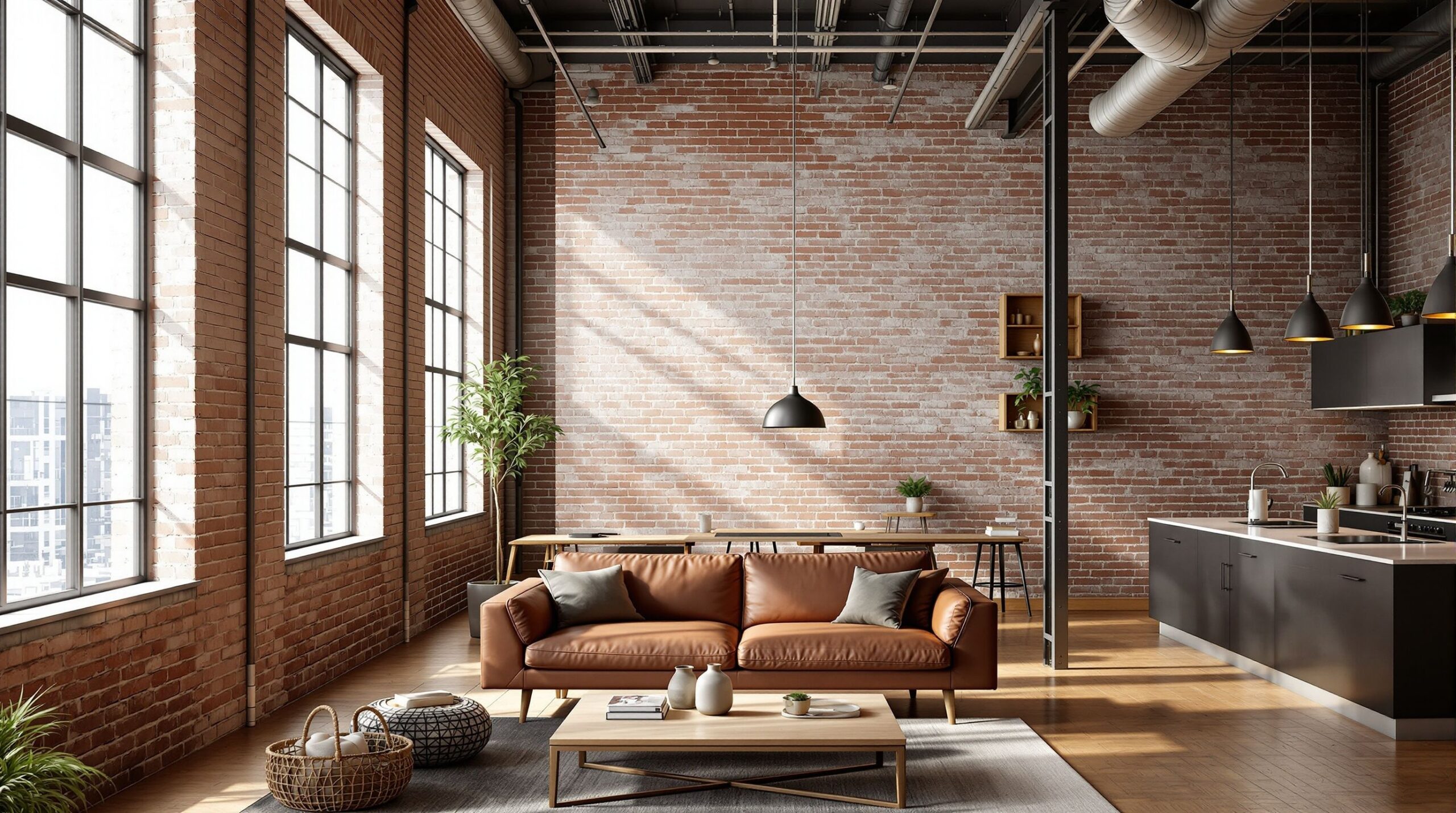
Studio apartments have become a defining trend in modern urban living, where creativity meets practicality in small yet stunning ways. They capture the essence of minimalism, efficiency, and design innovation—all within a single open room. What once symbolized compact living has evolved into a statement of style, personality, and urban sophistication. In today’s world of skyrocketing rent and limited city space, the studio apartment has redefined what it means to live large in a small footprint.
A: An alcove has a defined sleeping nook that can feel like a mini bedroom.
A: Yes, with smart storage, clear zones, and a sleep-sofa or wall bed—tour with both people present.
A: Usually the total rent is lower, but price per square foot is often higher.
A: Light paint, mirrors, vertical storage, and leggy furniture to keep sightlines open.
A: If you cook often, look for venting and counter space; small appliances can supplement.
A: Full or queen; kings overwhelm most studios unless lofted or wall-mounted.
A: Use a high-quality sleeper sofa, daybed with trundle, or an inflatable stored under the bed.
A: Many leases forbid permanent changes—use bookcases, screens, or curtains instead.
A: Often yes; less area to condition, but window orientation and insulation still matter.
A: Compact dining table, multipurpose sofa, tall wardrobe, shoe cabinet, and a big mirror.
The Essence of a Studio Apartment
At its core, a studio apartment is a self-contained living space that combines the bedroom, living room, and kitchen into one open area. The absence of traditional walls creates a continuous flow that encourages flexibility and creativity in design. The bathroom, typically the only enclosed room, adds privacy where it’s most needed, while the rest of the space adapts to the resident’s lifestyle.
What makes studio apartments special is their simplicity. They strip away excess and focus on the essentials—without sacrificing comfort or personality. The idea is not to live with less, but to live smarter. With clever design choices and multi-purpose furnishings, a studio can feel just as inviting and functional as a much larger home.
Designing for Impact in Limited Space
The beauty of a studio apartment lies in its adaptability. Every inch counts, and smart design transforms limitations into opportunities. Furniture selection becomes a form of art: fold-out sofas, Murphy beds, nesting tables, and storage ottomans allow one piece to serve multiple roles. Even color choices play a part—light, neutral tones can visually expand the space, while mirrors and natural light enhance openness.
Dividing the space without actual walls is another creative challenge. Many studio dwellers use area rugs, bookshelves, curtains, or furniture placement to define “zones” for sleeping, dining, and relaxing. It’s about creating psychological boundaries that make the apartment feel organized yet open. Design enthusiasts often see studio apartments as blank canvases, where each choice—from lighting to layout—becomes an opportunity to express individuality.
The Rise of Urban Minimalism
As cities grow denser and housing costs continue to rise, the studio apartment has emerged as a practical response to urban realities. But beyond necessity, it also reflects a cultural shift toward minimalism and intentional living. In a world filled with distractions and excess, many are drawn to the clarity that comes from simplifying their surroundings.
Living in a studio encourages thoughtful ownership—every item has a purpose, and every piece of décor carries meaning. It challenges the notion that happiness or success is tied to square footage. Instead, it celebrates quality over quantity, where functionality and style coexist in perfect harmony. This philosophy resonates with millennials, digital nomads, and professionals who value experiences over possessions, and who see home not as a place of accumulation, but of inspiration.
The Art of Making Small Spaces Feel Grand
One of the most fascinating aspects of studio living is how design ingenuity can create the illusion of spaciousness. Vertical storage is key—shelving units that reach the ceiling, wall-mounted desks, and hanging plants draw the eye upward, expanding the perceived height of the room.
Lighting also plays a transformative role. Layered illumination—combining natural sunlight, ambient ceiling lights, and warm lamps—can make even a 400-square-foot studio feel inviting and balanced. Floor-to-ceiling curtains, when drawn, create a sense of luxury and depth, while transparent furniture pieces keep the room feeling airy.
The trick lies in visual flow. Minimizing clutter and keeping pathways open ensures that the space feels cohesive. Some designers even integrate sliding doors or glass partitions that maintain openness while offering privacy when needed. In the hands of a creative renter, a small studio becomes not a restriction but a canvas for design brilliance.
Smart Living: Technology and Efficiency
Today’s studio apartments aren’t just compact—they’re intelligent. Modern technology has transformed how small spaces function, making them more comfortable, efficient, and energy-conscious than ever. Smart thermostats, voice-controlled lighting, and space-saving appliances are now standard in many urban studios.
Compact yet powerful kitchen appliances—such as two-in-one washer-dryer units, induction cooktops, and under-counter refrigerators—help maintain a sleek aesthetic while preserving valuable floor space. Meanwhile, multifunctional furniture often incorporates hidden charging ports and Bluetooth features, turning even a nightstand into a tech hub.
Beyond gadgets, efficiency also extends to sustainability. Many studio apartment dwellers embrace eco-friendly living through reduced energy consumption, smaller carbon footprints, and responsible material choices. With less space to heat, cool, and furnish, studios naturally support a greener lifestyle, aligning with the values of the modern conscious renter.
Lifestyle and Freedom in Compact Living
Living in a studio apartment fosters a unique kind of freedom. The simplicity of small-space living means less maintenance, fewer possessions, and greater mobility. For those who live busy city lives or travel often, a studio offers the perfect balance between home comfort and independence. Cleaning takes minutes instead of hours, bills are smaller, and the streamlined environment reduces stress.
This lifestyle attracts a diverse mix of residents—young professionals starting their careers, retirees downsizing, and digital creatives seeking flexibility. Many appreciate the ability to personalize their space without the burden of excess. The minimal setup also encourages social interaction—residents are more likely to explore their neighborhoods, dine out, and enjoy shared amenities rather than staying confined indoors.
The studio lifestyle also complements modern work trends. With remote work on the rise, residents have learned to adapt their layouts for productivity, creating small but efficient home offices. Fold-out desks, under-bed storage for tech accessories, and dual-purpose spaces help balance work and leisure seamlessly within the same environment.
The Economics of Small but Stylish Living
Financially, studio apartments represent a smart entry point into desirable neighborhoods. They often cost less than one-bedroom units, allowing residents to live in vibrant areas close to work, entertainment, and cultural hotspots. Renters save not only on rent but also on utilities and furnishings, since less space means fewer costs overall.
However, the appeal of studio apartments isn’t just financial—it’s aspirational. Many luxury buildings now offer high-end studios that merge affordability with style, featuring amenities like rooftop lounges, fitness centers, and coworking spaces. This trend allows residents to enjoy upscale living without paying for unnecessary square footage.
For investors and developers, studios also make economic sense. They cater to a growing demographic seeking efficiency and design-forward living. The rise of micro-apartments and modular housing reflects this ongoing evolution—proof that living small doesn’t mean compromising on lifestyle or comfort.
Turning Limitations into Lifestyle Statements
Studio living teaches one of life’s most valuable lessons: limitations can spark creativity. The challenge of fitting an entire life into a single room encourages innovation and mindfulness. Each design decision—from the placement of furniture to the use of lighting—contributes to the overall feeling of balance and harmony.
In many ways, studio apartments embody the essence of modern life: flexible, fast-paced, and adaptable. They represent the fusion of design and purpose, showing that luxury isn’t defined by size but by intention. Whether perched high in a city tower or nestled in a converted warehouse, studios reflect the artistry of living well within limits.
Even cultural attitudes toward space are shifting. Around the world, people are embracing smaller living arrangements as symbols of efficiency, environmental awareness, and personal freedom. The appeal of the studio apartment lies not in what it lacks, but in how it makes the most of every square inch—an idea that resonates far beyond real estate.
Living Large in a Small Space
To live in a studio apartment is to master the art of balance—between aesthetics and functionality, simplicity and sophistication. It’s a lifestyle that rewards creativity, organization, and self-expression. While the space may be compact, its potential is vast, offering endless ways to design, decorate, and redefine what home means. Studio apartments have evolved into an emblem of contemporary living—where every detail matters, and style is measured not in size, but in thoughtfulness. They prove that living small can be a conscious, even luxurious, choice. With their fusion of design, technology, and minimalist beauty, studio apartments offer a glimpse into the future of urban life—one that’s efficient, elegant, and endlessly inspiring. In a world where space is a luxury and creativity a necessity, studio apartments remind us that big style can come in small packages. Living small, it turns out, can be one of the grandest ways to live.