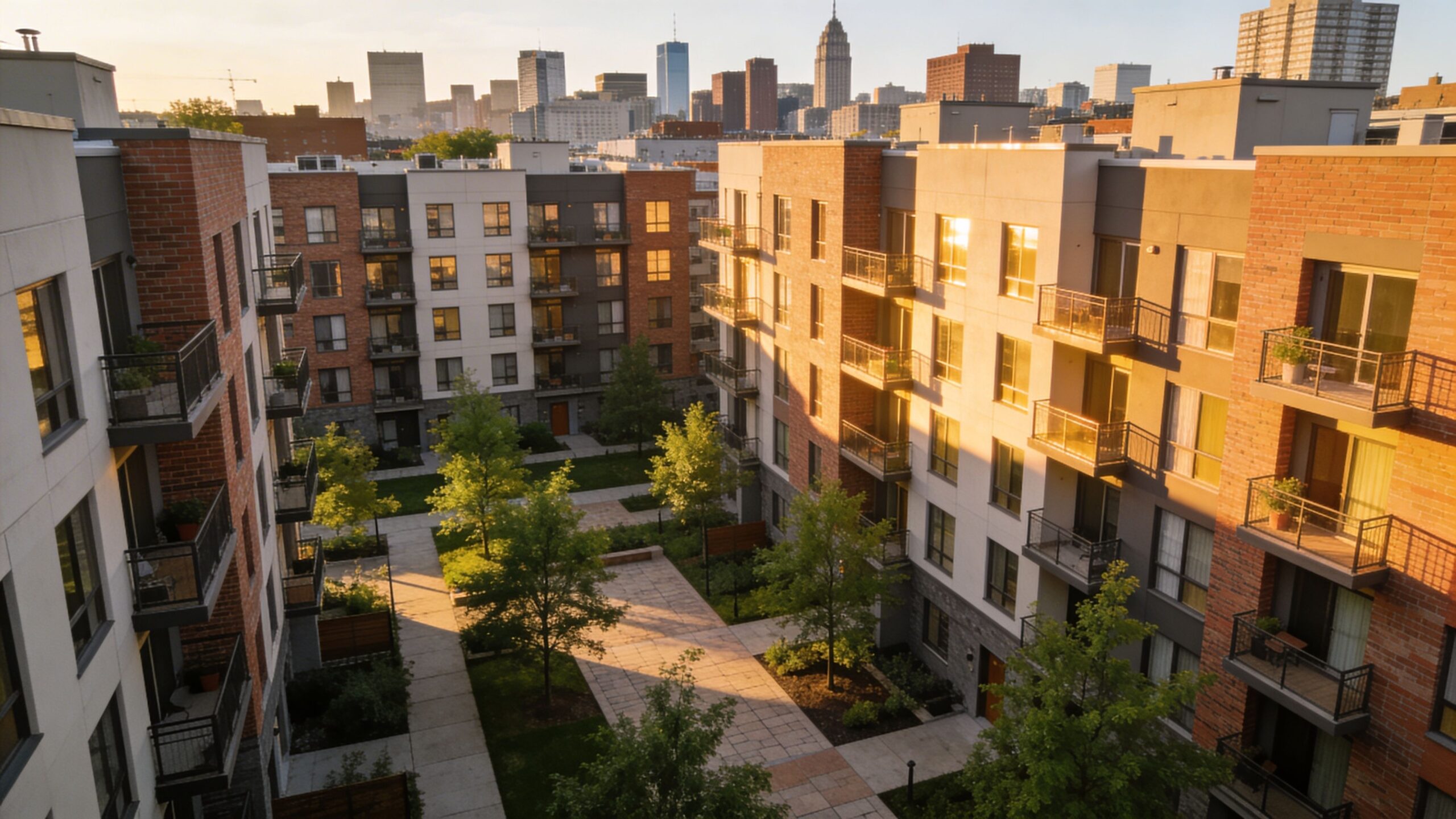
Affordable housing apartments are often surrounded by misunderstanding. For many people, the term brings up images shaped by outdated stereotypes, political debates, or incomplete information. In reality, affordable housing plays a critical role in modern communities by providing safe, stable homes for individuals and families who might otherwise struggle to keep up with rising housing costs. Across cities and towns around the world, housing affordability has become one of the defining economic challenges of the modern era. Rapid urban growth, increasing construction costs, and population shifts have pushed rents higher in many areas. As a result, millions of households spend a large share of their income simply trying to secure a place to live.
A: It usually refers to housing designed for people whose incomes make market-rate rents difficult to afford.
A: No. Rent is still paid, but the cost is often set lower through specific housing programs or income limits.
A: Not necessarily. Many affordable housing communities are well-built, professionally managed, and similar in appearance to other apartments.
A: Eligibility depends on factors such as income, household size, and the rules of the specific property or program.
A: Often yes, especially in high-demand areas where affordable units are limited.
A: Yes. Many residents of affordable housing have jobs and simply live in areas where rents outpace wages.
A: Sometimes, but not always, so it is important to ask exactly what the monthly rent covers.
A: Yes. Affordable housing exists in many kinds of neighborhoods, including areas near schools, jobs, and transit.
A: Because myths, politics, and outdated assumptions often shape public opinion more than actual renter experience.
A: Gather income documents, identification, household information, and any paperwork the property requires for verification.
What Affordable Housing Apartments Really Are
Affordable housing apartments are residential units designed to keep rent or ownership costs within reach for households earning below certain income thresholds. These properties may be funded, regulated, or supported by government programs, nonprofit organizations, or public-private partnerships.
The goal is simple: ensure that people who contribute to the workforce and community can still live in the areas where they work. Teachers, healthcare workers, service employees, young professionals, retirees, and families often rely on affordable housing programs to maintain stable living conditions.
Eligibility for affordable housing typically depends on income relative to the local area’s median income level. Different programs establish different thresholds, often targeting households earning a percentage of the regional median income. This approach allows housing support to reflect local economic conditions rather than applying a one-size-fits-all national standard.
Affordable housing apartments may appear in many forms. Some are newly constructed buildings developed specifically to meet affordability requirements. Others are mixed-income communities where affordable units exist alongside market-rate apartments. In some cases, older buildings are renovated and preserved through affordability programs to prevent displacement.
Regardless of the specific structure, the underlying purpose remains consistent: to ensure that safe, well-maintained housing is accessible to a broader range of people within the community.
Myth One: Affordable Housing Means Poor Quality
One of the most persistent misconceptions about affordable housing apartments is the belief that they are poorly built or poorly maintained. In reality, modern affordable housing developments are subject to strict construction standards and regulatory oversight.
Many affordable housing projects are developed by experienced builders who specialize in creating high-quality residential communities. These developments often include the same design elements found in market-rate apartments, including modern architecture, energy-efficient appliances, landscaped outdoor spaces, and thoughtful interior layouts.
Government programs that support affordable housing frequently require compliance with detailed construction guidelines. These standards ensure that buildings meet safety codes, durability expectations, and environmental performance goals. In some cases, affordable housing developments even incorporate sustainability features such as green roofs, energy-efficient lighting systems, and environmentally responsible materials.
In addition, property management companies responsible for affordable housing communities typically follow professional maintenance practices similar to those used in other residential properties. Routine upkeep, landscaping, repairs, and resident services help ensure that these communities remain attractive and well-maintained over time.
The reality is that affordable housing apartments are often indistinguishable from market-rate buildings when viewed from the outside. Quality construction and thoughtful design play a key role in creating housing that residents can feel proud to call home.
Myth Two: Affordable Housing Lowers Neighborhood Property Values
Another common concern surrounding affordable housing developments is the fear that they will reduce nearby property values. However, research conducted across multiple housing markets consistently shows that well-designed affordable housing does not have a negative impact on surrounding property values.
In many cases, new affordable housing developments can actually contribute positively to neighborhood stability. When vacant land or aging properties are redeveloped into modern residential communities, the improvements often enhance the visual character of the area and attract additional investment.
Mixed-income housing models also play an important role in promoting balanced communities. By combining affordable units with market-rate housing, developers create diverse residential environments that reflect the broader economic makeup of the community. These developments often include shared amenities, attractive landscaping, and community spaces that benefit both residents and the surrounding neighborhood.
Stable housing also helps support local businesses and services. Residents who can afford to live near their workplaces are more likely to spend money in nearby stores, restaurants, and shops. This economic activity strengthens the local economy and contributes to long-term neighborhood vitality.
When affordable housing is thoughtfully integrated into the urban landscape, it becomes a positive asset rather than a liability.
Myth Three: Affordable Housing Is Only for the Unemployed
Perhaps one of the most misleading myths about affordable housing is the idea that it primarily serves people who are not working. In reality, a large portion of affordable housing residents are employed individuals who simply earn moderate incomes in high-cost housing markets.
Many essential workers rely on affordable housing programs to remain close to their jobs. Teachers, nurses, childcare providers, hospitality workers, retail employees, and first responders often fall within income ranges that qualify for certain housing assistance programs. Without access to affordable housing options, many of these individuals would be forced to commute long distances or leave their communities altogether.
Affordable housing also supports young professionals entering the workforce. Graduates beginning their careers may earn salaries that are not yet high enough to cover rising rents in competitive cities. Affordable housing allows them to build financial stability while gaining professional experience.
Retirees represent another group that benefits from affordable housing. Fixed incomes can make it difficult for older adults to keep up with market-rate housing costs. Affordable apartments provide a stable environment that allows seniors to maintain independence and remain connected to their communities.
In short, affordable housing serves a broad spectrum of residents who contribute meaningfully to the social and economic fabric of their neighborhoods.
The Economic and Social Value of Affordable Housing
Affordable housing apartments provide benefits that extend far beyond the residents who live in them. By supporting housing stability, these developments contribute to stronger communities, healthier families, and more resilient local economies.
Stable housing allows individuals to focus on education, career advancement, and family well-being rather than constantly worrying about rent increases or relocation. Children living in stable housing environments often experience improved academic performance and stronger social development.
For cities and towns, affordable housing helps maintain a balanced workforce. When housing costs rise faster than wages, communities risk losing the workers who keep essential services running. Affordable housing ensures that teachers, healthcare workers, and service employees can continue living in the communities they serve.
Affordable housing also plays an important role in reducing homelessness and housing insecurity. By providing stable housing options for households facing financial challenges, these programs help prevent situations where families may otherwise struggle to find safe shelter.
From an economic perspective, affordable housing developments generate jobs during construction and ongoing employment through property management, maintenance, and community services. They also encourage long-term investment in neighborhoods that might otherwise face stagnation or decline.
These benefits highlight why affordable housing remains a key component of responsible urban planning and community development strategies.
How Modern Affordable Housing Communities Are Designed
Today’s affordable housing developments reflect a shift toward more thoughtful, community-oriented design. Architects and planners increasingly focus on creating environments that support both comfort and community engagement.
Many modern affordable housing communities include shared outdoor spaces such as gardens, courtyards, playgrounds, and walking paths. These spaces encourage social interaction and create opportunities for residents to connect with neighbors.
Interior design has also evolved significantly. Contemporary affordable apartments often feature open floor plans, modern kitchens, efficient storage solutions, and energy-efficient appliances. These features help residents enjoy comfortable living environments while keeping long-term utility costs manageable.
Community amenities may also include fitness rooms, computer labs, co-working spaces, and resident meeting areas. These resources support both personal development and community interaction, reinforcing the idea that affordable housing should enhance quality of life rather than simply provide shelter.
Transportation access is another important design consideration. Many affordable housing developments are located near public transit systems, allowing residents to commute efficiently without relying heavily on personal vehicles. This accessibility improves mobility while reducing transportation expenses.
Through thoughtful planning and design, modern affordable housing communities aim to provide not just housing but a supportive environment where residents can thrive.
Moving Toward a More Informed Perspective
Affordable housing apartments remain one of the most important yet misunderstood components of modern housing systems. While myths and misconceptions continue to circulate, the reality tells a far more positive story. These communities provide safe, stable homes for individuals and families who contribute to the workforce and the broader economy. They help maintain balanced neighborhoods, support local businesses, and create opportunities for people to build better futures. Understanding the real role of affordable housing requires moving beyond outdated assumptions and recognizing the broader social and economic benefits these developments provide. When thoughtfully designed and responsibly managed, affordable housing becomes a cornerstone of healthy communities. As cities continue to evolve and housing affordability remains a pressing challenge, affordable housing apartments will continue to play a vital role in shaping the future of urban living. By separating myths from reality, communities can approach housing policy with greater clarity, compassion, and long-term vision.