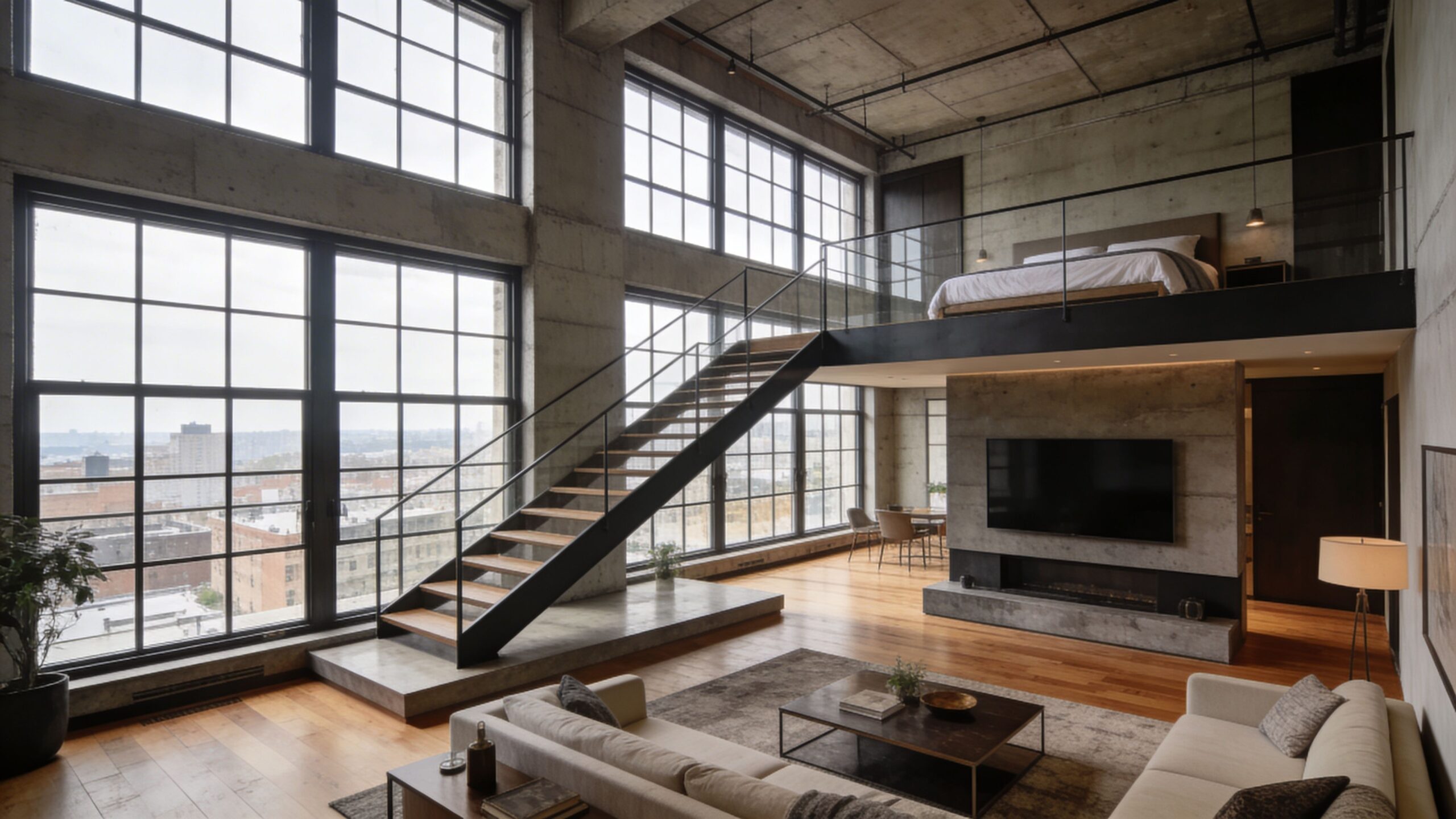
For many college students, moving into a student apartment marks an exciting milestone. It represents independence, responsibility, and the first real step into adult life. Unlike dormitories, which often come with strict rules and shared facilities, student apartments offer greater freedom and the opportunity to create a personal living environment that supports both academic success and personal growth. Finding the right student apartment, however, requires careful consideration. College housing varies widely depending on location, budget, and amenities. Some apartments are designed specifically for students and located close to campus, while others are standard rental units scattered throughout the surrounding community. With so many options available, students must weigh factors such as affordability, convenience, safety, and lifestyle compatibility before signing a lease.
A: Start with budget, distance to campus, safety, lease terms, and whether the setup fits your daily routine.
A: Often yes, especially if you want an easier move-in and do not already own furniture.
A: Usually yes, if the higher rent is balanced by saved time, easier commuting, and fewer transportation costs.
A: Individual leases can reduce risk because you are usually responsible only for your own room and portion of rent.
A: Fast internet, laundry access, secure entry, workable parking, and a quiet place to study usually matter more than flashy extras.
A: Very important, because bedroom size, bathroom access, and privacy can strongly affect day-to-day comfort.
A: Early, because popular apartments near campus can lease quickly well before the semester begins.
A: Ask about utilities, parking, internet, trash fees, admin fees, deposits, and move-out charges.
A: It depends on your priorities—apartments offer more freedom, while dorms can be simpler and closer to campus life.
A: Choosing based only on looks or price without checking lease details, safety, noise, and the true daily commute.
Location: The Foundation of a Successful College Living Experience
When it comes to student apartments, location is one of the most important factors to consider. Living close to campus can dramatically improve the college experience by reducing commute times and making it easier to participate in classes, campus events, and extracurricular activities.
Apartments located within walking or biking distance of campus are often highly desirable. They allow students to move quickly between classes, libraries, and social spaces without relying heavily on transportation. This convenience can save time and reduce stress during busy academic schedules.
In addition to proximity to campus, students should consider nearby amenities. Access to grocery stores, coffee shops, restaurants, and public transportation can make daily life far more manageable. Being close to essential services means fewer logistical challenges when managing classes, studying, and personal responsibilities.
Safety is another critical aspect of location. Students should research neighborhood safety statistics and visit the area at different times of day to get a realistic sense of the environment. Well-lit streets, secure building entrances, and active communities can contribute to a safer and more comfortable living situation.
Ultimately, the right location helps students stay connected to campus life while maintaining a healthy balance between academic commitments and personal well-being.
Budgeting for Student Housing Without Financial Stress
Affordability plays a major role in choosing a student apartment. College expenses already include tuition, books, and daily living costs, so housing should fit comfortably within a student’s overall budget.
Monthly rent is usually the largest expense associated with student apartments, but it is not the only cost to consider. Utilities such as electricity, water, internet, and heating may or may not be included in the rent. Students should carefully review lease agreements to understand exactly which expenses are covered and which will need to be paid separately.
Some student housing communities offer bundled pricing that includes utilities and internet services. While these options may appear slightly more expensive upfront, they can simplify budgeting and eliminate the uncertainty of fluctuating monthly bills.
Sharing an apartment with roommates is one of the most common strategies students use to reduce housing costs. Dividing rent and utility expenses among multiple residents can make higher-quality apartments more affordable. However, living with roommates also requires clear communication and mutual respect to maintain a comfortable living environment.
Students should also factor in additional costs such as security deposits, application fees, furniture purchases, and renter’s insurance. By planning ahead and understanding the full financial picture, students can avoid surprises and maintain financial stability throughout the school year.
Apartment Layouts That Support Academic Success
The layout of a student apartment can have a significant impact on both comfort and productivity. While style and aesthetics matter, functionality should remain the primary focus when evaluating potential housing options.
A well-designed apartment provides enough space for studying, relaxing, and daily routines. Even in smaller units, thoughtful layouts can create distinct zones for different activities. A dedicated desk area, for example, can help students maintain focus during study sessions while keeping academic work separate from relaxation spaces.
Natural lighting can also influence productivity. Apartments with large windows and good daylight exposure often create more inviting and energizing environments for studying. Bright, open spaces tend to promote concentration and reduce the feeling of confinement that can occur in poorly lit units.
Noise levels are another important consideration. Apartments located near busy streets, nightlife districts, or large student gatherings may be more lively but less conducive to focused academic work. Students should think carefully about whether they prefer a vibrant social atmosphere or a quieter study-friendly environment.
For students sharing apartments with roommates, layout becomes even more important. Separate bedrooms, adequate storage space, and thoughtful bathroom arrangements can help prevent conflicts and ensure that everyone has enough personal space.
Choosing an apartment with a layout that supports both academic productivity and personal comfort can make a meaningful difference throughout the college experience.
Amenities That Make Student Life Easier
Modern student apartments often include a wide range of amenities designed to support both convenience and community. While not every feature is essential, certain amenities can greatly improve daily life.
High-speed internet is one of the most important amenities for students. Reliable connectivity is critical for online coursework, research, virtual meetings, and communication with classmates. Apartments that provide strong internet infrastructure allow students to stay connected without interruptions.
Laundry facilities are another practical consideration. Some apartments include in-unit washers and dryers, while others provide shared laundry rooms within the building. Having convenient access to laundry services saves time and simplifies weekly routines.
Parking availability may also matter depending on the location. Students who commute or own vehicles should ensure that adequate parking options exist, whether through private lots, garages, or street parking permits.
Many student housing communities also include shared amenities such as study lounges, fitness centers, outdoor courtyards, and social spaces. These features can enhance the overall living experience by providing places to exercise, collaborate with classmates, or relax between study sessions.
While amenities should not overshadow the importance of affordability and location, they can add significant value to a student apartment when thoughtfully integrated into the housing environment.
Roommates, Community, and the Social Side of Student Housing
College is not only about academics; it is also about building relationships and creating meaningful experiences. Student apartments often play a central role in shaping these social connections.
Living with roommates can be one of the most memorable parts of the college journey. Sharing an apartment encourages collaboration, friendship, and shared responsibility. It also provides a built-in support system during challenging academic periods.
Successful roommate relationships depend on communication and mutual expectations. Establishing agreements around cleanliness, noise levels, shared expenses, and guest policies can prevent misunderstandings and maintain harmony within the household.
Beyond individual apartments, the surrounding community can also influence the college experience. Buildings that house many students often create vibrant environments where neighbors become friends and study partners. Shared amenities such as lounges or common areas encourage interaction and foster a sense of belonging.
At the same time, students should consider whether the social environment aligns with their personal preferences. Some may enjoy a lively community atmosphere, while others may prefer quieter surroundings that allow for more focused study and relaxation.
Finding the right balance between social engagement and personal space helps students build a supportive environment that enhances both academic and personal development.
Lease Agreements and Housing Responsibilities
Before committing to a student apartment, understanding the lease agreement is essential. A lease is a legal contract that outlines the responsibilities of both the tenant and the landlord, and students should review it carefully before signing.
Lease agreements typically specify the length of the rental period, monthly payment obligations, and policies regarding maintenance, repairs, and early termination. Many student apartments offer leases that align with the academic calendar, while others may require a full twelve-month commitment.
Students should pay close attention to policies regarding security deposits, damages, and move-out procedures. Understanding these terms helps avoid unexpected costs at the end of the lease.
Maintenance responsibilities are another important aspect of the agreement. Landlords are generally responsible for major repairs and property upkeep, but tenants may be expected to maintain cleanliness and report issues promptly.
For first-time renters, navigating lease agreements may feel intimidating. Asking questions, seeking guidance from family members, or consulting university housing resources can help students fully understand their commitments before moving into an apartment.
Taking the time to review the lease carefully ensures that students enter their housing arrangements with confidence and clarity.
Building a Comfortable Home During the College Years
Student apartments represent more than just housing; they become the backdrop for some of the most transformative years of life. Within these spaces, students study for exams, celebrate milestones, build friendships, and begin shaping their future paths. Creating a comfortable living environment can make these experiences even more meaningful. Simple touches such as personalized décor, organized study areas, and welcoming communal spaces can transform an apartment into a place that truly feels like home. Establishing routines within the apartment can also support academic success. Dedicated study times, organized schedules, and a balanced approach to work and relaxation help students maintain focus throughout demanding semesters. The right student apartment becomes more than just a temporary residence. It becomes a foundation for independence, responsibility, and personal growth. By carefully considering location, affordability, layout, amenities, and community, students can choose housing that supports their ambitions while enriching their college journey. In the end, student apartments play an important role in shaping the college experience. When chosen thoughtfully, they provide the stability, comfort, and inspiration students need to thrive both academically and personally during one of the most exciting chapters of life.