The apartment market is more diverse than ever, filled with options that range from cozy standard spaces to lavish luxury residences. Yet, for many renters, the true difference between a luxury apartment and a standard one goes far beyond the price tag. The contrast is woven into architecture, amenities, service, and even the feeling of day-to-day life. In a world where lifestyle increasingly defines living space, understanding what sets these two apart can shape your housing decisions in powerful ways.
A: A mix of upgraded materials, amenities, services, and prime location—not just a label.
A: If you’ll use the amenities, value quiet, and need services, yes; otherwise a high-quality standard unit may be smarter.
A: Try on slower months or units with longer days on market—ask for concessions or parking credits.
A: Often, due to better windows/HVAC—verify with past averages.
A: Luxury often adds controlled entries, cameras, and staffed lobbies; Standard varies by property.
A: Frequently—tech, amenities, valet, pet DNA. Read addenda closely.
A: Pools, lounges, co-working, fitness studios, pet spas, package systems—ask what’s open and hours.
A: Luxury targets 24/7 response; Standard is typically business hours with emergencies only after-hours.
A: Luxury may require higher income multiples and stronger credit; Standard is often more flexible.
A: Corporate luxury brings systems and consistency; local standard can be more personal—policies vary.
The Foundation of Design and Architecture
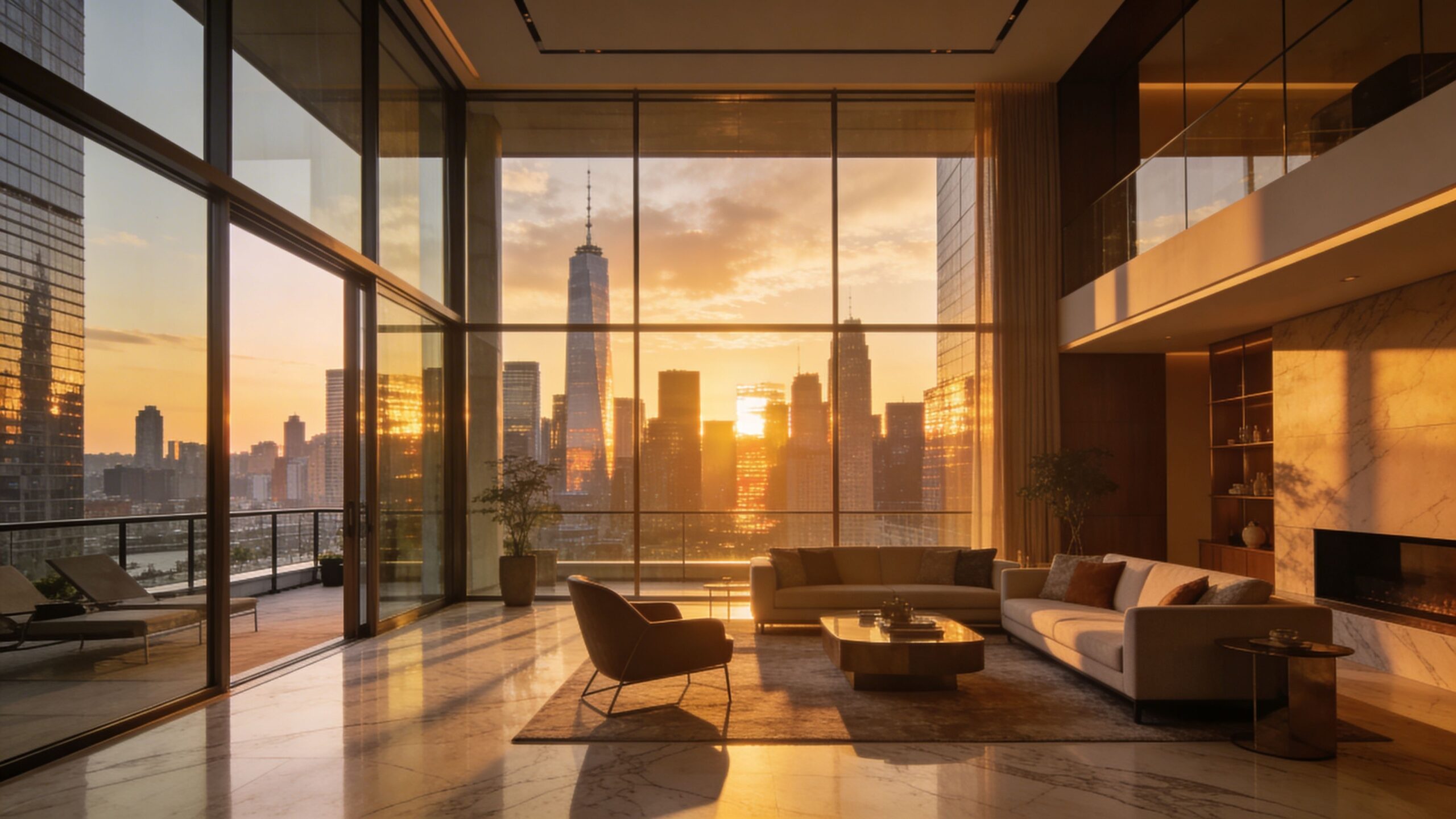
When you walk into a luxury apartment complex, the difference often hits you before you even open the door. Luxury apartments are designed to impress, often built with premium materials, modern layouts, and cutting-edge architectural features. High ceilings, open-concept spaces, oversized windows, and high-end finishes like quartz countertops or imported hardwood flooring define their aesthetic. These spaces are crafted to create an atmosphere of sophistication, blending beauty with functionality.
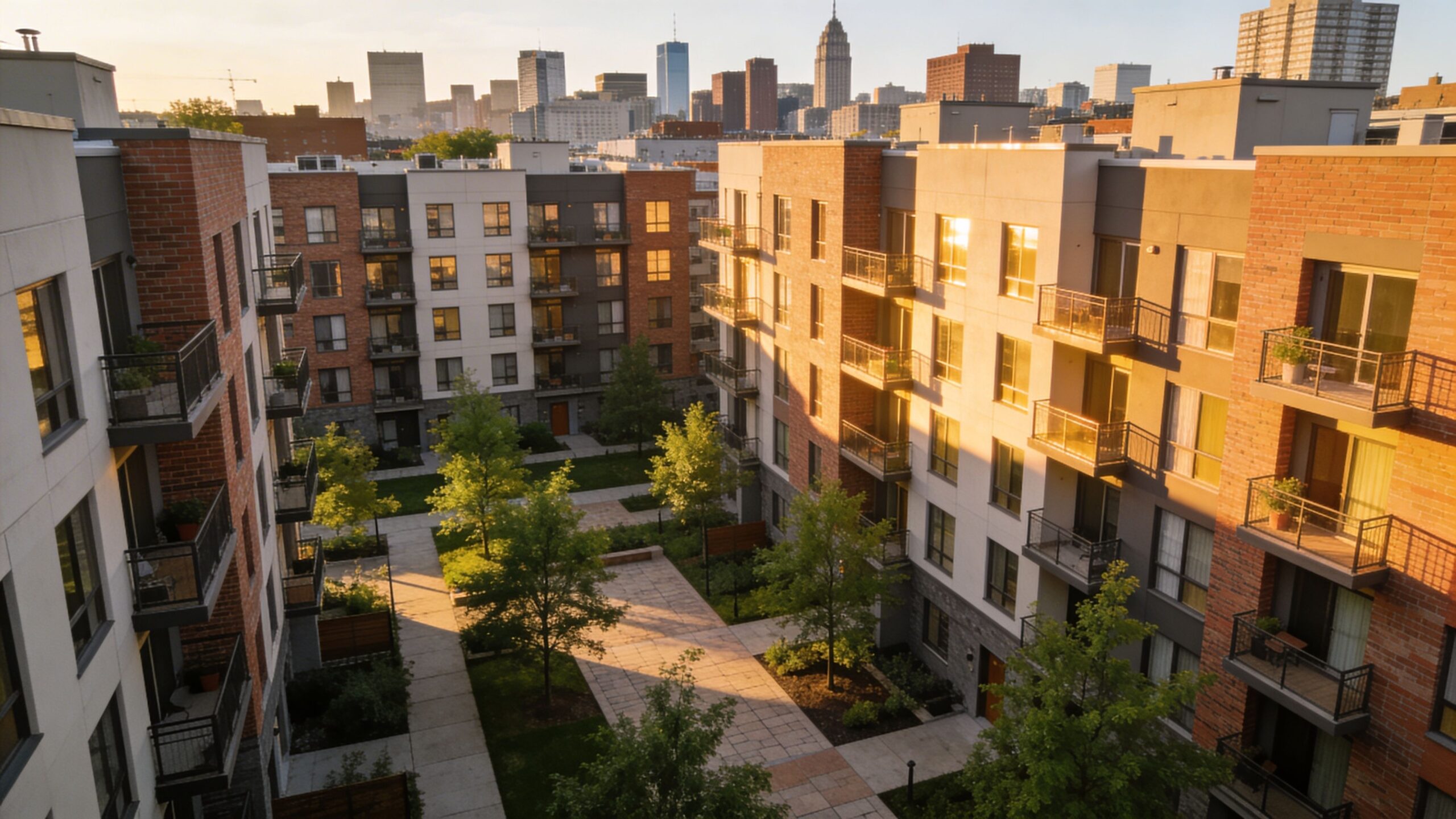
Standard apartments, in contrast, tend to prioritize practicality and affordability. The design choices reflect a focus on efficiency—smaller floor plans, simpler layouts, and standard materials that are durable and cost-effective. While they can still offer comfort and charm, standard apartments often trade luxury details for affordability and accessibility.
Amenities that Define a Lifestyle
Amenities are where luxury apartments truly distinguish themselves. From rooftop pools and private fitness centers to concierge services and climate-controlled parking garages, these spaces are built to offer more than just a home—they create a living experience. Many luxury complexes are designed to feel like private resorts, offering community lounges, coworking spaces, pet spas, yoga studios, and outdoor entertainment areas. These additions provide convenience and comfort, transforming daily living into something closer to hotel living.
Standard apartments typically include essential amenities such as on-site laundry, parking, and sometimes a community room or gym. They serve the basic needs of residents without excessive frills. While not as elaborate, these offerings still support comfortable living and often come at a fraction of the cost. The main difference lies in the level of service, maintenance quality, and the seamless integration of luxury amenities into everyday life.
The Price of Comfort and Prestige
One of the most visible distinctions between luxury and standard apartments is, of course, the cost. Luxury apartments command a premium, often charging significantly higher rents due to their superior materials, prime locations, and upscale amenities. Renters pay not only for the space itself but for the lifestyle that accompanies it—access to exclusive facilities, personalized services, and a sense of prestige that comes from living in a high-end environment.
Standard apartments, however, are built around affordability and accessibility. They cater to a wider range of income levels and tend to be located in less centralized areas or older buildings. For many, standard apartments strike the right balance between comfort and financial practicality. The appeal lies in functionality rather than extravagance, making them ideal for students, young professionals, or anyone looking to live comfortably without overextending their budget.
Location and Neighborhood Appeal
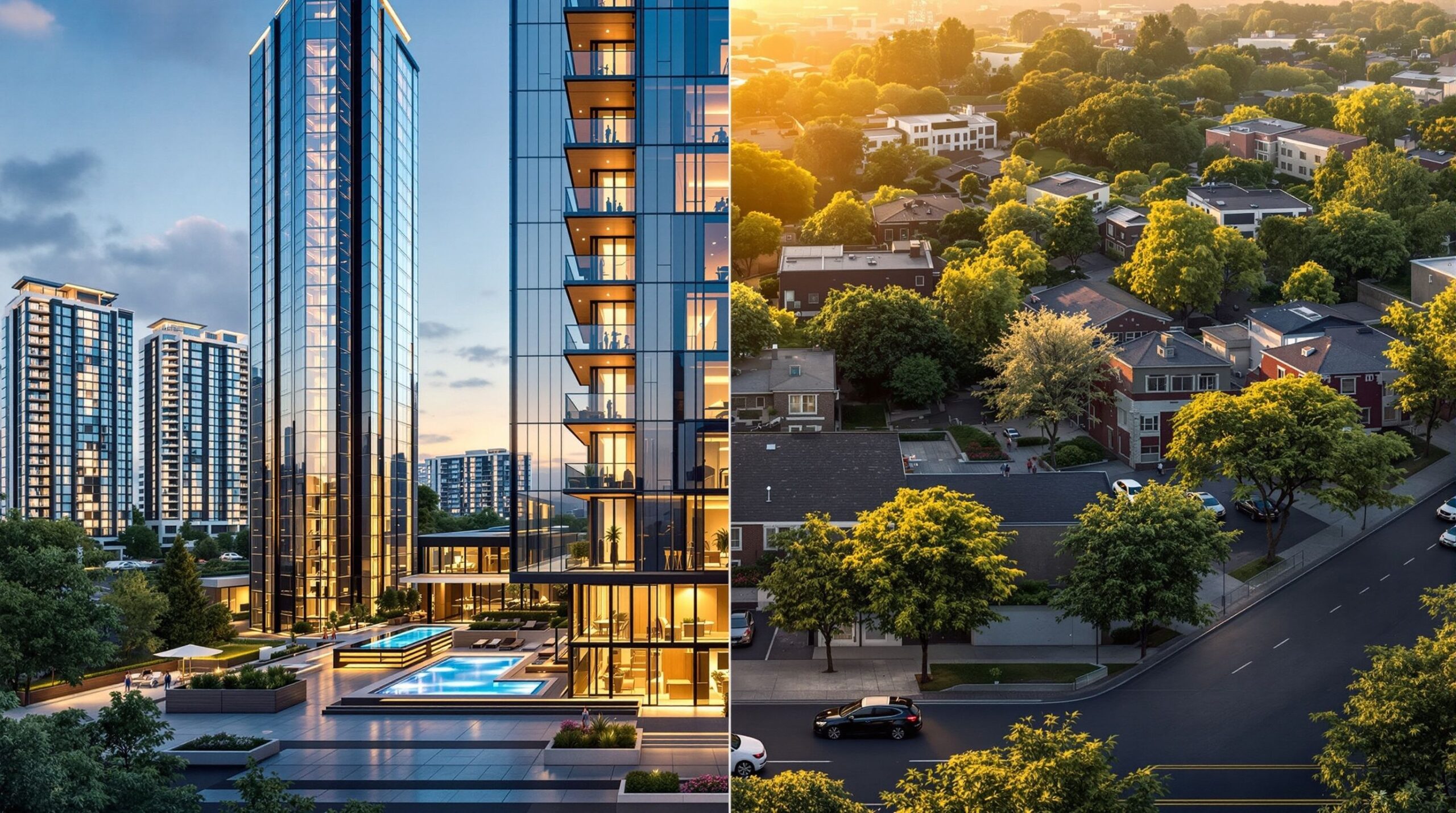
Luxury apartments are often positioned in prime locations—downtown districts, upscale suburbs, or scenic areas with panoramic views. Proximity to dining, nightlife, entertainment, and business hubs adds immense value to these residences. Living in a luxury apartment often means being in the heart of the action, where everything from shopping to fine dining is within walking distance. These locations enhance convenience and reflect the lifestyle of professionals and families seeking high-end urban living.
Standard apartments, on the other hand, are more widely dispersed. They’re often found in quieter neighborhoods, suburban settings, or developing areas that offer more affordable land costs. While this sometimes means longer commutes or fewer nearby attractions, it can also provide benefits like reduced noise, more space, and a stronger sense of community. The tradeoff often comes down to whether a renter values proximity to city life or prefers a calmer, more affordable environment.
Maintenance, Service, and Living Experience
In luxury apartments, maintenance and management play a pivotal role in shaping the resident experience. These properties usually feature on-site staff ready to handle repairs, cleaning, package delivery, and other requests with speed and professionalism. Many luxury complexes offer concierge services that help with reservations, transportation, and event planning, aiming to replicate a five-star hotel atmosphere. The goal is to remove stress from daily life, giving residents more time to focus on what they value most.
Standard apartments typically offer reliable but basic maintenance services. Repairs are addressed through management requests, though response times may vary. While residents can still expect attentive service, luxury-level touches like 24-hour concierge desks or valet parking are rare. The difference comes down to personalization—standard apartments provide the essentials, while luxury ones curate a full-service living experience.
Interior Design and Technology Integration
Step inside a luxury apartment, and you’ll likely notice an emphasis on smart design and modern technology. Many high-end properties feature built-in smart home systems, allowing residents to control lighting, temperature, and security from their phones. Kitchens are often outfitted with high-end stainless-steel appliances, while bathrooms may include rainfall showers, soaking tubs, and designer fixtures. Every detail is chosen for comfort, elegance, and innovation.
In contrast, standard apartments typically feature more traditional designs with dependable but modest features. Appliances, lighting, and layouts are practical rather than cutting-edge. While newer standard apartments have begun adopting select modern elements—such as energy-efficient appliances or keyless entry systems—the focus remains on cost efficiency rather than extravagance. Still, with evolving rental markets, many standard units are improving in quality, narrowing the aesthetic gap slightly between the two categories.
Community and Social Atmosphere
Luxury apartment living often emphasizes community engagement through curated experiences. Residents might enjoy wine tastings, rooftop movie nights, cooking classes, or social mixers organized by building staff. These events create opportunities for networking and connection among like-minded professionals, blending exclusivity with a strong sense of belonging. The shared amenities—lounges, fitness centers, and coworking spaces—become social hubs where relationships naturally form.
Standard apartments can offer a different, often more organic, sense of community. Neighbors get to know each other through shared spaces, local events, and a more down-to-earth atmosphere. Instead of staff-organized gatherings, connections form through everyday interactions—chatting in hallways, borrowing tools, or meeting at nearby parks. While less formalized, the community bonds in standard apartments can feel more genuine and personal.
The Psychological Impact of Space and Status
Beyond tangible features, the psychological experience of living in a luxury apartment differs notably from a standard one. For many, luxury apartments symbolize success, security, and aspiration. The design, amenities, and exclusivity reinforce a sense of accomplishment and comfort. This can have subtle effects on confidence, productivity, and overall well-being—living in a refined, visually appealing environment can inspire people to maintain a higher quality of life.
Standard apartments, though simpler, offer their own sense of satisfaction. They can feel more personal and authentic, reflecting the renter’s individuality and lifestyle choices rather than conforming to a particular standard of luxury. For some, avoiding the pressure of maintaining appearances or paying for unused amenities provides peace of mind and financial balance. Both types of spaces serve emotional needs, just in different ways—luxury apartments cater to aspiration, while standard ones nurture authenticity and practicality.
Finding Your Perfect Fit in the Apartment Spectrum
Choosing between a luxury and standard apartment ultimately comes down to priorities. Are you looking for an environment that offers top-tier comfort, convenience, and prestige? Or do you value affordability, simplicity, and the freedom to direct your money toward other goals? Neither choice is inherently better—it depends on lifestyle, budget, and personal vision of home.
As cities evolve and apartment designs grow more innovative, the lines between luxury and standard living are beginning to blur. Standard complexes are incorporating upscale touches, while luxury properties are expanding their definitions of value beyond aesthetics to include sustainability and technology. The real difference may not lie in the label, but in how well an apartment aligns with your life and aspirations.
Living Beyond Labels
Luxury apartments may shimmer with style and convenience, but standard apartments carry their own quiet dignity and purpose. What truly defines a space as “luxurious” might not be its finishes or square footage—it might be how well it supports your ambitions, comfort, and daily joy. Whether surrounded by marble and skyline views or nestled in a modest community with character, the real measure of a home lies in how it makes you feel. In the end, the difference between luxury and standard apartments is not just about design or amenities—it’s about identity, balance, and the lifestyle you want to live. When you find an apartment that fits your rhythm and enhances your days, you’ve discovered more than a place to stay. You’ve found a space that truly feels like home.