There’s something magnetic about living high above the city—a sense of power, perspective, and peace that only comes with elevation. High-rise apartments, once reserved for the elite, have become a defining feature of modern urban living. Rising above the noise and chaos, they offer breathtaking views, sleek architecture, and an experience that blends luxury with convenience. Yet behind the glittering skyline lies a nuanced reality. High-rise living isn’t for everyone, and while it offers unmatched advantages, it also brings unique challenges. Understanding the full picture reveals why so many are drawn to life in the sky—and what you should know before making the climb.
A: Usually less street noise, but wind and mechanical sounds can replace it—tour at different times.
A: Often yes due to solar gain and volume—look for efficient glazing and smart HVAC.
A: Many towers ban open flames; electric grills may be permitted—check lease rules.
A: Depends on number of cars, speed, and occupancy—ask for peak-hour stats.
A: Many towers have fiber or bulk deals, but coverage can vary by stack—confirm in-unit.
A: Often yes with deposits; check relief areas and balcony safety for animals.
A: Learn stair locations and refuge floors; drills and posted plans are your guide.
A: Avoid curtain wall mullions; use interior partitions and approved anchors.
A: Modern chutes are sealed; choose units away from chute rooms if sensitive.
A: Yes—exposure, floor, and unobstructed sightlines are major pricing factors.
The Essence of High-Rise Living
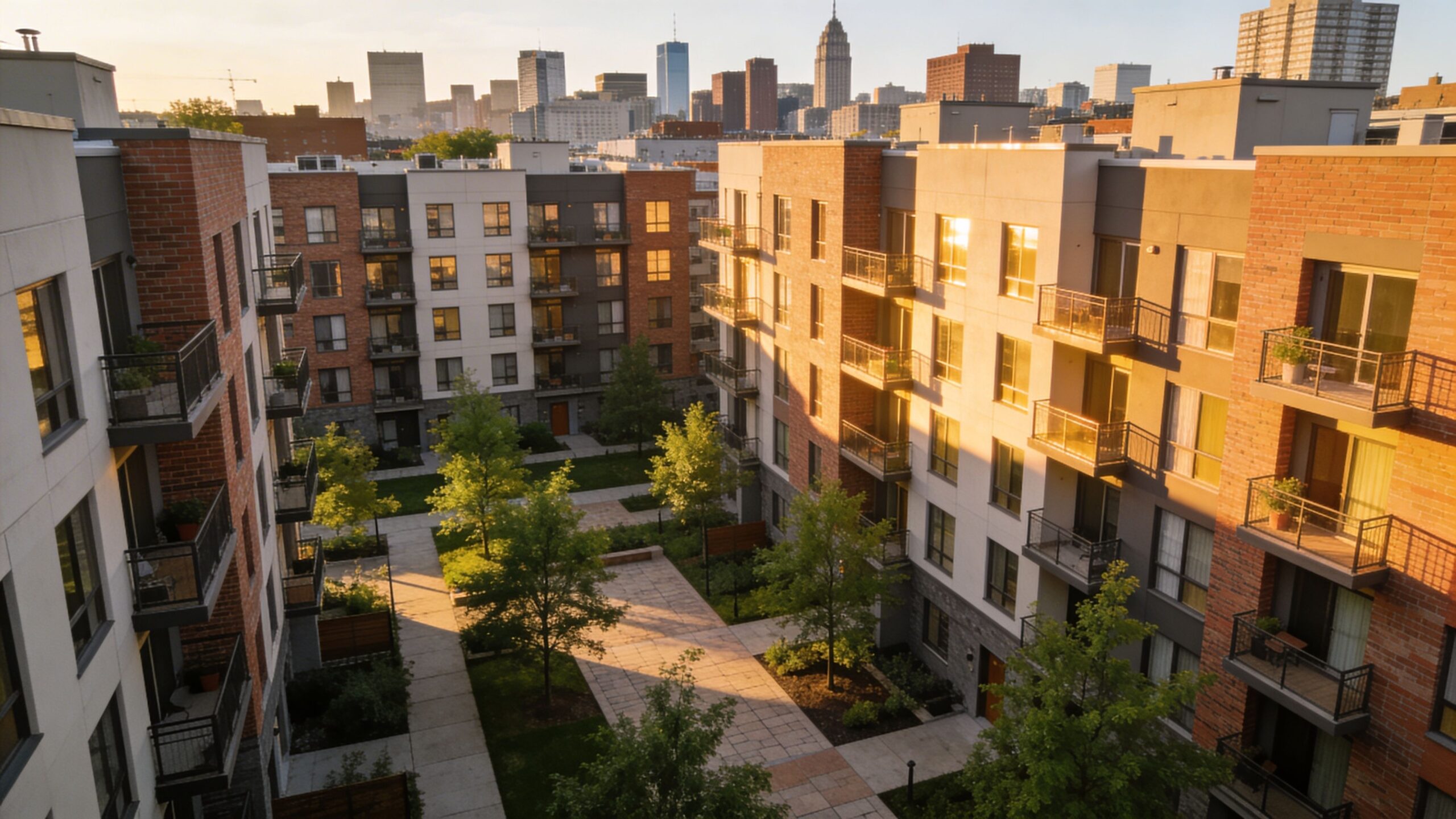
A high-rise apartment is typically defined as a residential building that soars at least ten stories or more above ground level, though in major cities, towers can stretch forty, fifty, or even a hundred floors into the clouds. These vertical communities are designed to maximize limited urban land while providing modern amenities and spectacular views. Living in one means waking up to sunrises over city skylines, watching storms roll across distant neighborhoods, and seeing the world from a perspective few ever experience.
High-rises cater to a variety of lifestyles, from business professionals craving proximity to downtown offices to retirees seeking low-maintenance luxury. The defining features include advanced elevators, concierge services, and shared facilities like gyms, rooftop lounges, and swimming pools. Each floor becomes a world of its own, yet collectively, they form a vertical village—a community suspended in air.
The essence of high-rise living lies in both freedom and connection: freedom from the sprawl of ground-level congestion and connection to the pulse of the modern city. It’s an architectural response to density, innovation, and the timeless human fascination with height.
The Beauty of the View
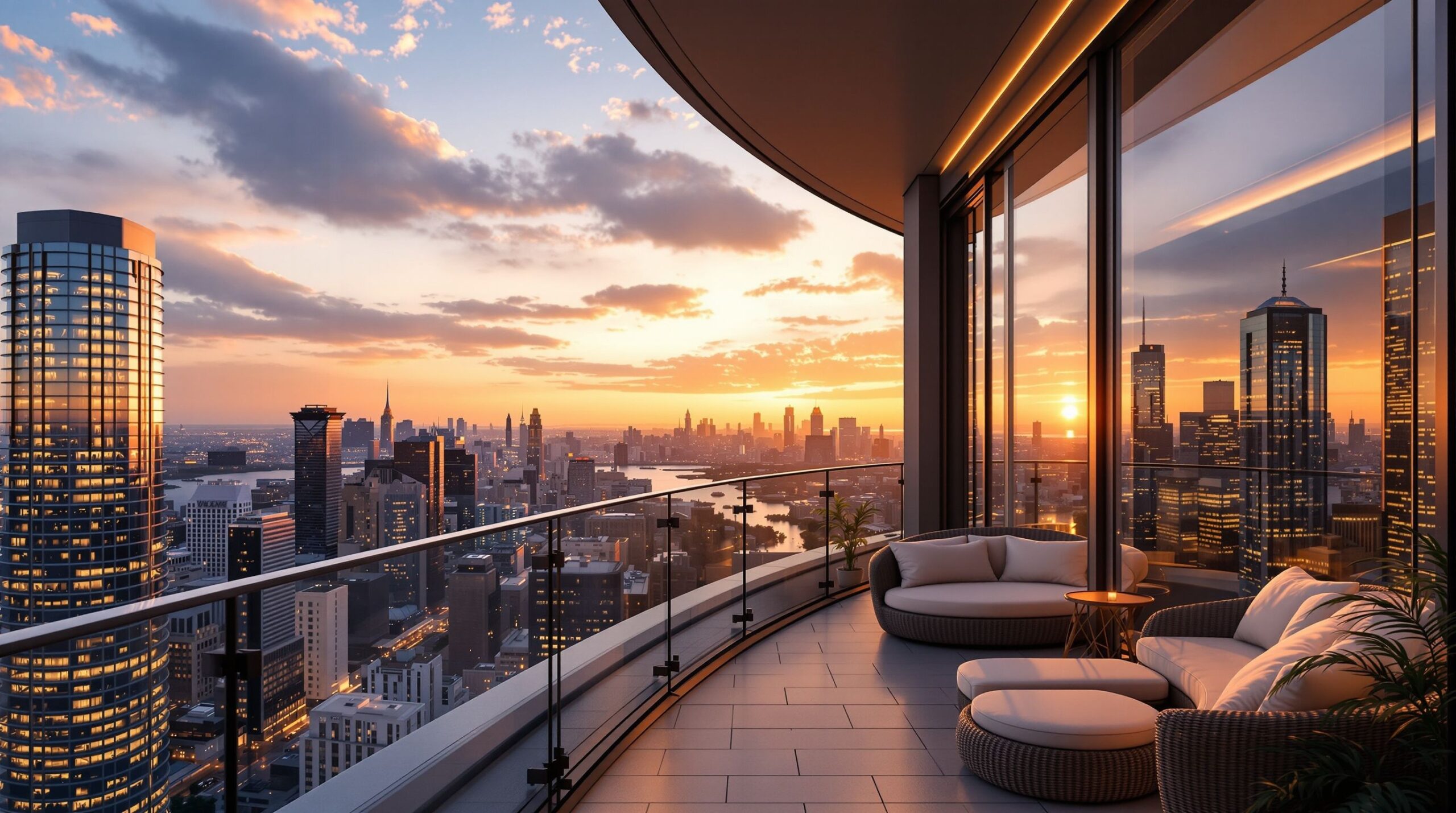
One of the most enchanting aspects of high-rise apartments is the view. Few experiences rival sipping morning coffee while gazing over a city bathed in golden sunrise light or winding down in the evening as skyscrapers sparkle against the night sky. These panoramic perspectives are more than aesthetic—they’re emotional.
Living high above the city creates a feeling of detachment from the world below, a serenity that’s hard to find on busy streets. The view becomes part of the home’s identity, transforming an ordinary apartment into a living work of art. It changes with the seasons, weather, and time of day—an ever-evolving canvas of light and motion.
For many residents, the view alone justifies the higher rent or purchase price. It becomes a daily luxury, one that defines their sense of place. Whether overlooking an ocean, park, or skyline, the elevation offers something intangible: perspective. From above, the world feels both grand and peaceful, alive yet distant—a paradox that keeps people drawn to high-rise life.
The Pros: Luxury, Lifestyle, and Convenience
High-rise living brings undeniable advantages, blending convenience with modern design and resort-like amenities. For many, it’s the ultimate expression of urban sophistication.
Convenience is at the heart of the appeal. Many high-rises feature on-site gyms, spas, cafes, and coworking lounges, eliminating the need for daily commutes to access essential services. Security is another major benefit—24-hour surveillance, controlled entry, and doormen provide peace of mind in bustling cities. Maintenance is minimal, as management teams handle everything from plumbing to landscaping, allowing residents to focus on lifestyle rather than upkeep.
Location is another major advantage. High-rises are usually built in the heart of metropolitan areas, placing residents within walking distance of restaurants, theaters, and workplaces. For busy professionals, this proximity can be life-changing, cutting hours of commuting and freeing up time for leisure and productivity.
Then, of course, there’s the design itself. Modern high-rises often feature sleek, energy-efficient materials, floor-to-ceiling windows, and open-concept interiors that amplify natural light. Combined with the views and amenities, it’s easy to see why so many urban dwellers consider high-rise living a symbol of success and style.
The Cons: Challenges of Living in the Sky
Despite their glamour, high-rise apartments come with real trade-offs that should not be overlooked. The first and most immediate drawback is cost. Rent or purchase prices are typically higher than comparable low-rise units, particularly those with prime views. In addition, maintenance fees, parking charges, and homeowners’ association dues can add up quickly, making high-rise living a premium choice.
Practical challenges also exist. Elevators are essential in tall buildings, and when they break down or become congested during rush hours, the wait can be frustrating. Emergency situations, such as power outages or fires, pose additional concerns since evacuating from higher floors can be more complex and time-consuming.
Noise can also travel in unexpected ways—wind howling at higher altitudes or echoes from neighboring floors can occasionally disturb the peace. For pet owners, outdoor access may be limited, and balcony safety becomes a real concern.
Another subtle drawback is isolation. While the idea of a “vertical community” is appealing, in reality, many residents lead private lives. With hundreds of people spread across dozens of floors, social connections may be more fleeting than in smaller residential settings.
The Psychology of Height
There’s something deeply psychological about living high above the ground. Humans have always been fascinated with height—from ancient towers and temples to modern skyscrapers, elevation symbolizes aspiration and status. High-rise living taps into that same instinct.
For many, being above it all conveys a sense of achievement and exclusivity. The sweeping views provide a daily reminder of one’s place in the city—both literally and metaphorically. There’s an undeniable sense of control and clarity when looking out from such heights, as if you’re seeing life from a broader vantage point.
Yet, this detachment can also create an emotional distance. The bustling streets below may begin to feel abstract, like watching a movie from afar. Some residents describe it as both calming and isolating—an experience that inspires reflection but can also make them feel removed from the community below.
Ultimately, the psychology of high-rise living reflects a balance between independence and connection. Those who thrive in such environments tend to appreciate solitude, efficiency, and design-driven lifestyles. For them, the sky isn’t the limit—it’s home.
The Architecture of Modern High-Rises
The evolution of high-rise architecture has transformed city skylines worldwide. Today’s towers are feats of engineering and design, combining beauty with sustainability and technology. Architects use materials like steel, glass, and concrete to achieve both strength and elegance, while innovative structural systems ensure stability against wind and seismic forces.
Modern high-rises are also increasingly eco-conscious. Green roofs, solar panels, and water recycling systems help reduce environmental impact. Double-glazed windows improve insulation, while smart technologies allow residents to control lighting, temperature, and security remotely. These advancements make high-rise apartments more efficient and sustainable than ever before.
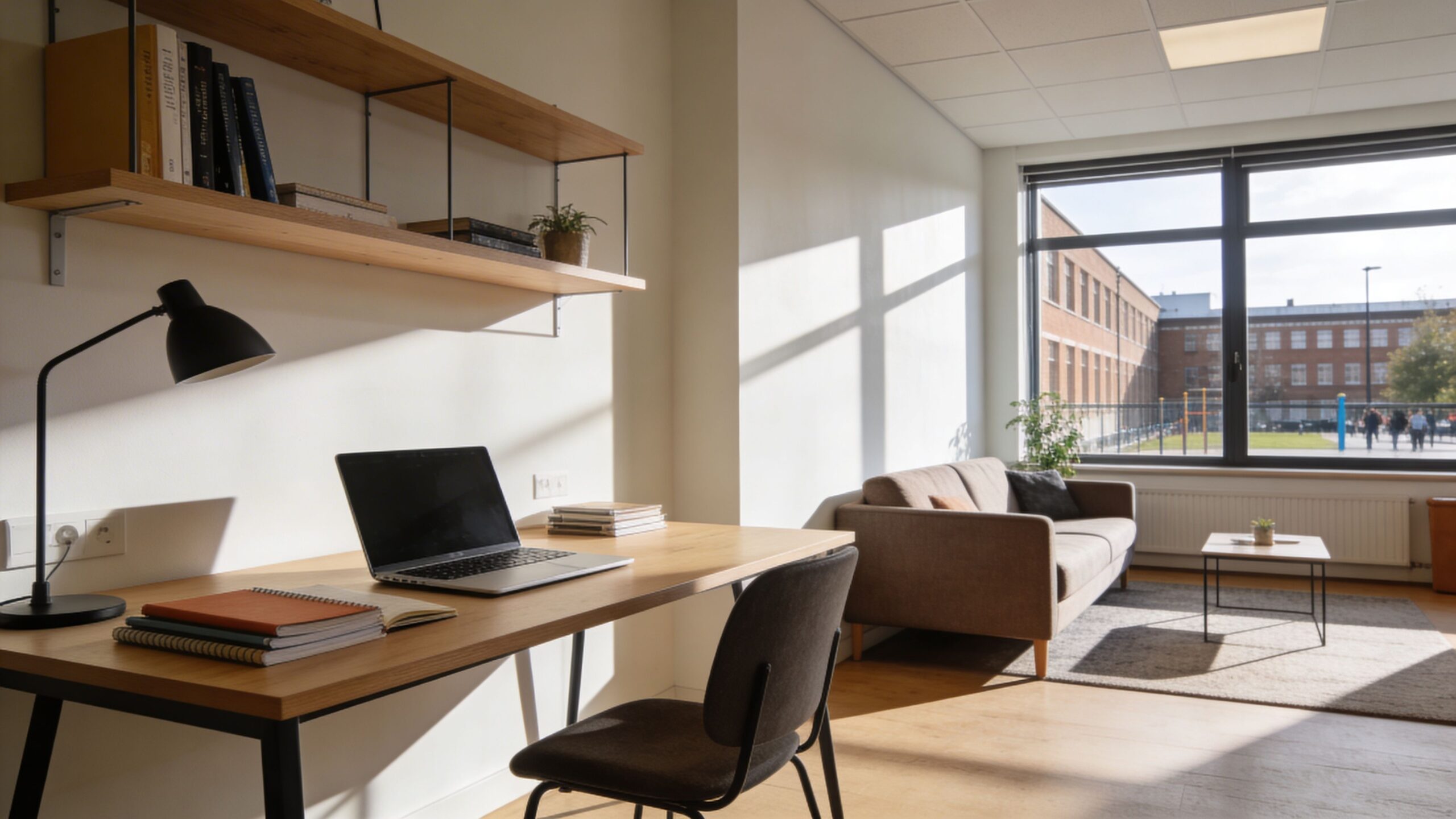
Interior design also plays a major role in the appeal. Developers understand that residents expect more than just a great view—they want thoughtful layouts, natural light, and premium finishes. Open-concept kitchens, spa-like bathrooms, and minimalist aesthetics are now standard features. Many buildings also emphasize shared community spaces like rooftop gardens, lounges, and infinity pools, turning common areas into social hubs.
From a distance, a high-rise may simply look like another addition to the skyline. But up close, it represents the pinnacle of urban design—a vertical ecosystem balancing luxury, functionality, and innovation.
Comparing High-Rise and Low-Rise Living
Choosing between a high-rise and a low-rise apartment often comes down to lifestyle priorities. High-rises offer height, prestige, and convenience, while low-rises emphasize accessibility, community, and a more grounded experience.
Living high above the city means embracing modernity. You gain incredible views, advanced amenities, and a quiet reprieve from street-level chaos. However, it may also mean giving up certain comforts, like easy outdoor access or a sense of neighborhood intimacy.
Low-rise apartments, often located in quieter residential areas, tend to provide a closer connection to nature and a stronger community vibe. You might enjoy personal gardens, patios, or quick access to parks. Yet, they may lack the amenities, security, and architectural sophistication of high-rise towers.
Both lifestyles have their allure, and for many urban dwellers, the decision comes down to one question: do you want to live in the heartbeat of the city—or above it?
Finding Balance in the Sky
High-rise apartments are more than homes—they’re experiences. They represent the evolution of urban living, where architecture meets aspiration and lifestyle meets luxury. Living high above the city offers a unique vantage point not only of the skyline but of life itself. The balance of serenity, style, and energy makes it a dream for many, even with its challenges. For some, the high-rise is a sanctuary—a place to recharge while watching the city pulse below. For others, it’s a symbol of ambition and success, a reward for years of hard work. And for everyone who’s ever stood at their window and felt the city lights shimmer beneath them, it’s a reminder of why we build upward in the first place: to see farther, to dream bigger, and to live beautifully. High-rise living isn’t just about elevation—it’s about perspective. From ten stories up or a hundred, the world looks different, feels different, and moves differently. For those who crave that experience, there’s simply nothing else like it. The city stretches endlessly below, a living canvas of light and motion, and from above, it’s yours to enjoy.