Loft apartments are more than just a place to live—they’re a statement. Once raw industrial spaces, they’ve evolved into some of the most sought-after homes in modern cities. With their open layouts, towering ceilings, and authentic architectural charm, lofts capture the imagination of creatives, professionals, and design lovers alike. But what exactly makes a loft apartment unique, and why has it become such an icon of urban living? To understand its enduring popularity, we need to look at where lofts came from, how they’ve evolved, and why they continue to inspire today’s city dwellers.
A: Lofts prioritize open space, volume, and industrial character; standard apartments prioritize enclosed rooms.
A: Depends on egress and local code—some allow open sleeping areas if safety rules are met.
A: Often yes due to volume and glazing—look for efficient HVAC, fans, and window treatments.
A: Only with landlord approval and permits; many buildings ban new structures.
A: Sometimes, given concrete/brick surfaces; add rugs, curtains, and soft furnishings.
A: No—marketing terms differ from legal designations; verify allowed uses in writing.
A: Fewer, larger pieces (8–10 ft sofas, long dining tables) read better than many small items.
A: Many have limited closets—freestanding wardrobes and storage walls are common solutions.
A: Measure cab height/width and door size; coordinate move-in times with building staff.
A: Policies vary; open plans and concrete floors can be pet-friendly, but check deposits and breed rules.
What Defines a Loft Apartment
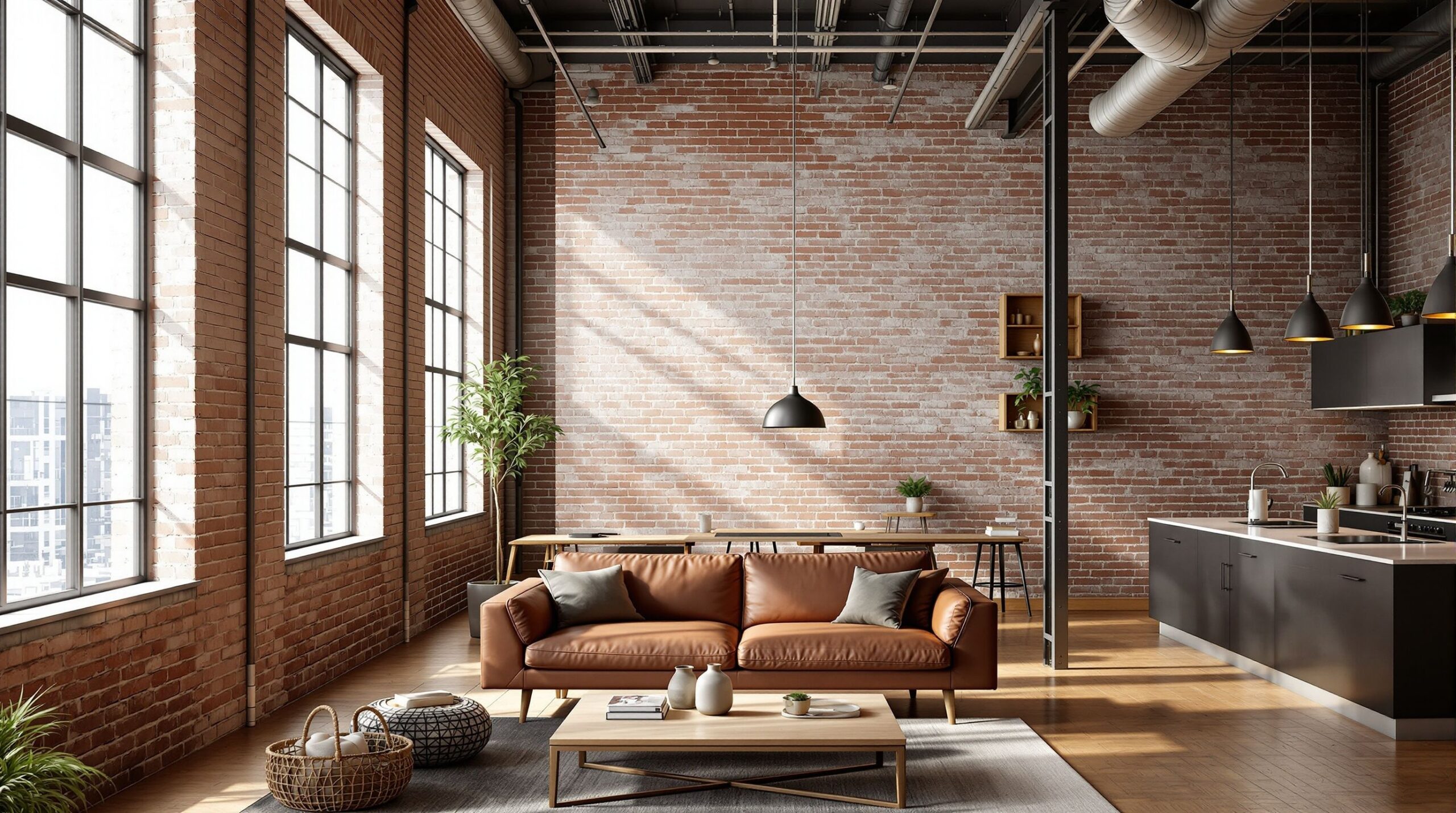
A loft apartment is typically a large, open-concept living space converted from a former industrial or commercial building—think warehouses, factories, or workshops. Characterized by high ceilings, exposed brick, large windows, and minimal internal walls, lofts offer a sense of openness rarely found in traditional apartments. Their raw, unfinished aesthetic gives them a distinctive charm that feels both historic and contemporary at once.
Unlike studio apartments, which are designed for compact efficiency, lofts often have generous square footage and flexible layouts. Many retain original architectural elements such as steel beams, concrete floors, and ductwork, blending industrial character with modern design. The result is a living space that feels spacious, expressive, and adaptable—perfect for those who want a home that doubles as an artistic or social environment.
The Origins of Loft Living
Loft apartments trace their roots back to mid-20th-century New York City. In neighborhoods like SoHo, Tribeca, and the Meatpacking District, abandoned manufacturing buildings stood empty as industries moved elsewhere. During the 1950s and 1960s, artists and musicians began transforming these large, inexpensive spaces into studios and homes. The high ceilings and natural light from factory windows made them ideal for painting, sculpting, and creative work.
Over time, what began as a practical solution for struggling artists evolved into a lifestyle movement. These early loft dwellers cultivated an atmosphere of innovation and freedom that caught the attention of designers and urban developers. By the 1980s, cities around the world were converting industrial buildings into residential lofts, and “loft living” became synonymous with artistic expression, urban cool, and architectural authenticity.
Design Elements that Make Lofts Unique
Every loft apartment carries a certain drama, largely due to its design features. The open floor plan is perhaps the most defining characteristic—there are few, if any, internal walls, giving residents the freedom to design their space however they please. Furniture, area rugs, and lighting become tools for defining zones rather than fixed partitions.
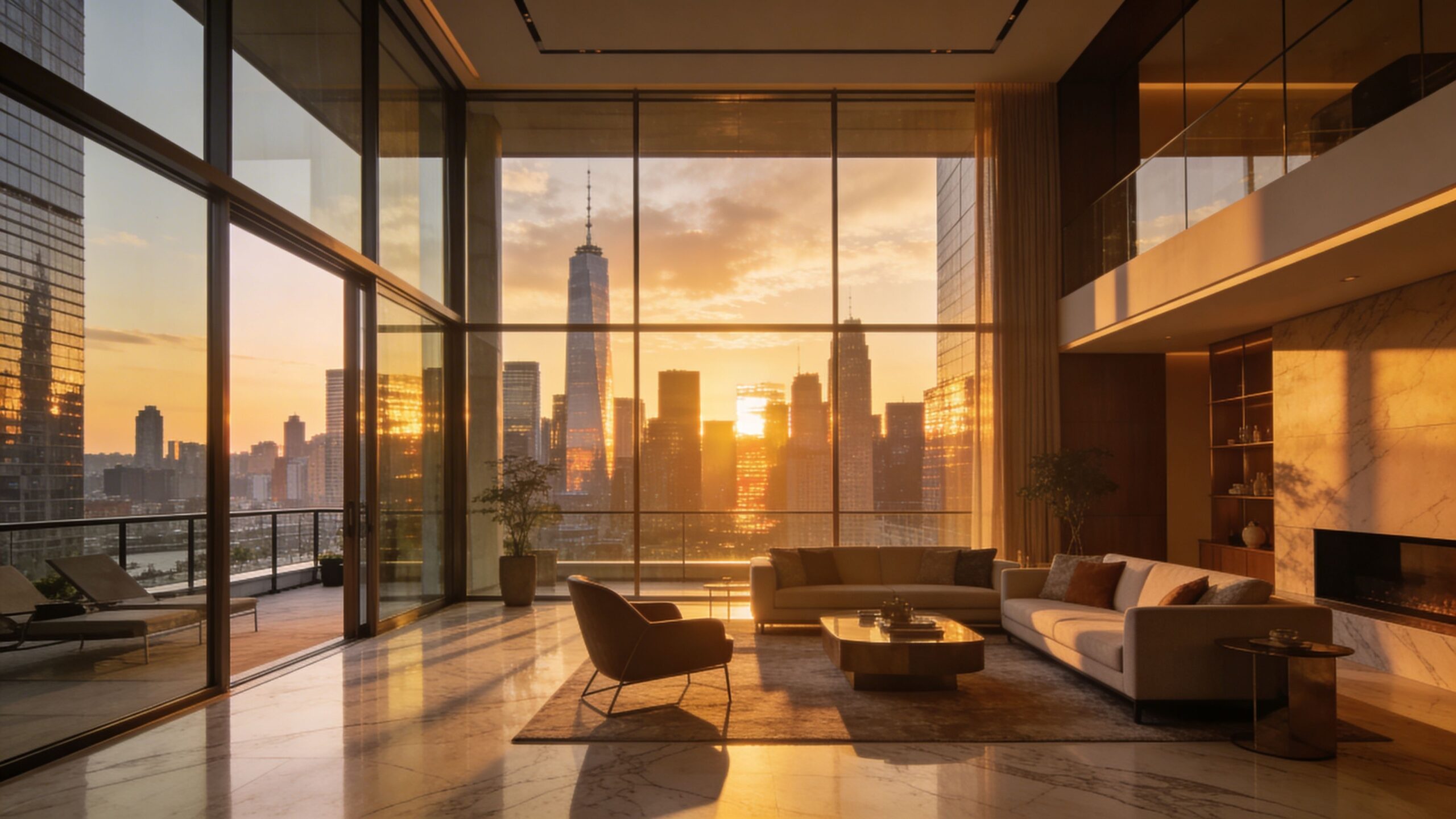
The high ceilings—often reaching 12 to 20 feet—create an airy, expansive feeling that amplifies natural light pouring in from oversized industrial windows. Exposed materials like brick, wood, steel, and concrete add a rugged, tactile beauty that connects the home to its architectural history. Many lofts also feature mezzanine levels or partial upper floors that add vertical dimension while preserving the open aesthetic.
In modern conversions, designers often incorporate sleek finishes—like glass partitions, metal staircases, or reclaimed wood floors—that complement the industrial bones of the space. The balance between old and new, raw and refined, gives lofts their signature appeal.
Why Loft Apartments Are So Popular
Loft apartments have captured the hearts of urbanites for more than half a century, and their allure shows no sign of fading. Part of their popularity stems from their flexibility. Lofts appeal to those who crave space and individuality—people who want to design their home without the limitations of a conventional floor plan.
They also embody a certain urban romanticism. Living in a loft feels like inhabiting a piece of history, surrounded by materials and structures that tell stories of craftsmanship and industry. For many, that connection to authenticity is deeply appealing. The aesthetic—industrial chic, minimal, and light-filled—has become a symbol of modern sophistication.
Functionally, lofts are ideal for a wide range of lifestyles. Creative professionals love them for their versatility—one corner can be a photography studio, another a workspace, another a cozy lounge. Young professionals and couples appreciate their modern look and city-center locations. Even families are drawn to loft conversions that offer space and character in places where traditional housing is scarce.
The Modern Evolution of Loft Living
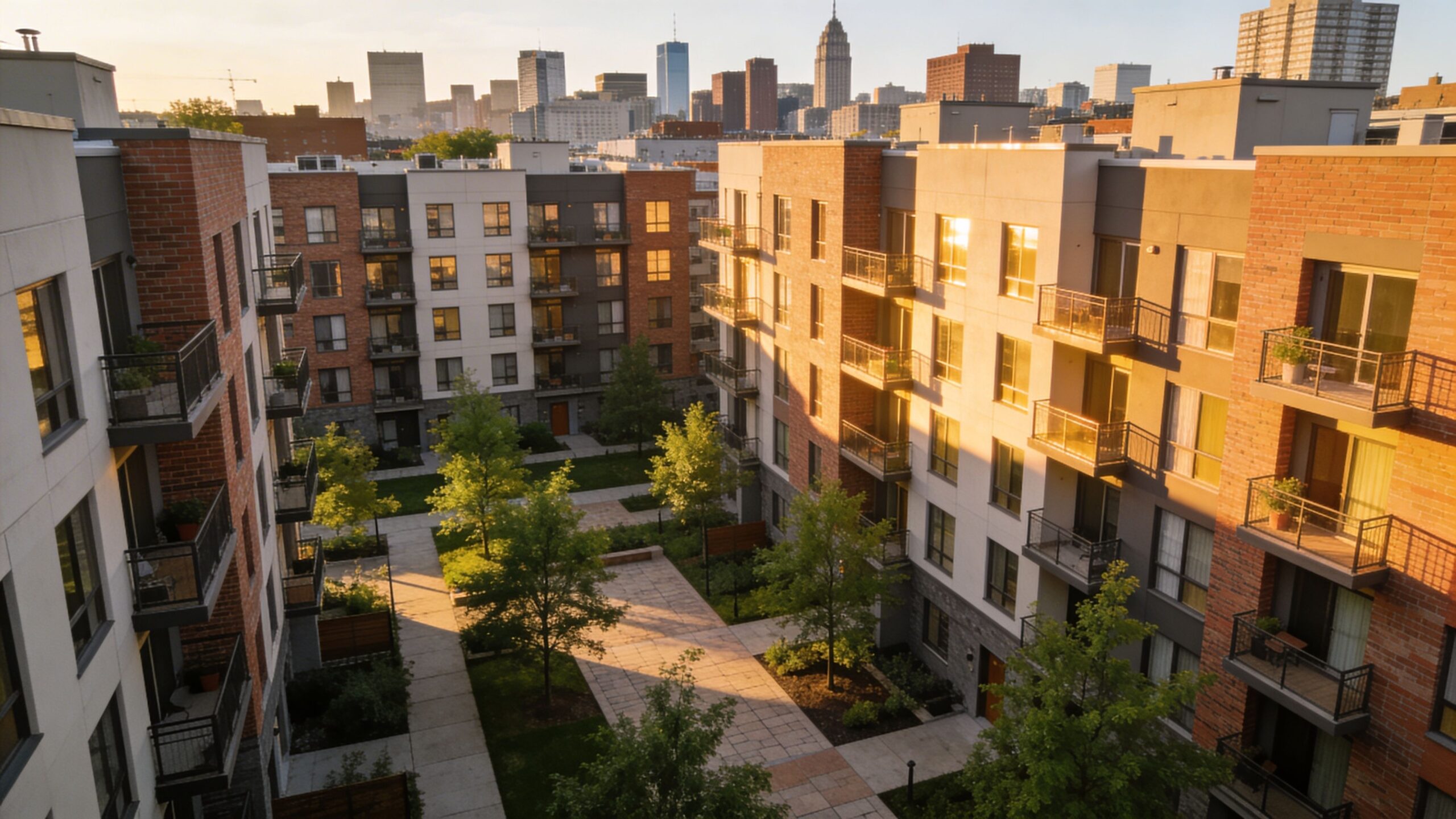
As demand for loft-style spaces grew, developers began designing new buildings to mimic the original aesthetic—creating what are known as “soft lofts.” These newer constructions feature high ceilings and open layouts but use modern materials and conveniences. They often incorporate luxury amenities like rooftop terraces, fitness centers, and smart home systems, combining industrial inspiration with contemporary comfort.
Cities across the world—from Chicago to London to Tokyo—have embraced this trend, integrating loft architecture into both residential and mixed-use developments. In some cases, developers preserve old facades while constructing new interiors, merging historic preservation with urban revitalization. The result is a new generation of lofts that blend heritage and innovation in equal measure.
The style has even influenced suburban housing, with loft-inspired condos and townhomes featuring exposed beams, open layouts, and large windows. What started as an underground movement among artists has become a mainstream design philosophy that celebrates openness, creativity, and freedom.
The Lifestyle Appeal of Loft Living
Loft apartments offer more than just architectural beauty—they represent a way of life. The open floor plan encourages interaction and fluidity, making lofts perfect for entertaining guests or hosting creative gatherings. The abundance of natural light and spaciousness fosters a sense of calm, clarity, and inspiration.
For city dwellers, lofts also provide an escape from the cramped and compartmentalized feel of standard apartments. The ability to reconfigure furniture and décor allows residents to constantly reinvent their surroundings. It’s a space that evolves with its owner—whether it’s a minimalist sanctuary, a vibrant art studio, or a modern social hub.
Moreover, lofts often situate residents in the heart of revitalized districts rich with culture, cafes, and galleries. Living in such an environment fosters connection to the urban landscape. There’s a synergy between the apartment and the city—it’s not just a home, but part of a living, breathing ecosystem of creativity and innovation.
Challenges of Loft Living—and How People Adapt
Despite their charm, loft apartments come with challenges. The same openness that makes them appealing can sometimes limit privacy. With few interior walls, sound travels easily, making it harder for couples or roommates to carve out personal space. Some lofts also lack built-in storage, requiring creative organization solutions.
Temperature control can be another issue. The high ceilings and expansive windows that make lofts beautiful can also make them difficult to heat or cool efficiently. However, modern technology has mitigated many of these issues—smart thermostats, energy-efficient windows, and custom partitions now make loft living more comfortable than ever.
Residents have also embraced innovative design strategies to adapt. Freestanding wardrobes, sliding doors, and hanging curtains create visual separation without disrupting flow. Modular furniture and under-stair storage solutions maximize space. These adaptations demonstrate the essence of loft living—flexibility, ingenuity, and a willingness to think outside the box.
The Future of Loft Apartments
The popularity of loft apartments shows no signs of slowing down. As cities continue to evolve, the demand for spaces that combine history, creativity, and versatility will only grow. The loft aesthetic—industrial elegance meets urban innovation—has influenced not only architecture but also interior design trends, co-working environments, and retail spaces.
Sustainability has also become a driving force in the next phase of loft living. Converting existing industrial buildings into residences reduces the need for new construction and preserves architectural heritage. Many new loft projects prioritize eco-friendly materials, natural ventilation, and energy-efficient systems, aligning with the values of modern renters and buyers.
Looking ahead, loft apartments will continue to embody the spirit of adaptive reuse—taking what once served one purpose and transforming it into something entirely new. In this way, lofts remain both timeless and forward-thinking, bridging the gap between the past and the future of urban living.
Living the Loft Dream
To live in a loft apartment is to embrace freedom, creativity, and individuality. It’s not just about square footage or exposed brick—it’s about how the space makes you feel. Loft living invites you to shape your environment, blending history with modern life in a way that’s deeply personal and endlessly inspiring. What began as a movement among artists searching for affordable studios has become one of the most aspirational forms of living in the modern world. Whether you’re drawn to the open space, the light, or the character, lofts offer a lifestyle that encourages expression and possibility. In the end, a loft apartment is more than a home—it’s a canvas. A place where design meets imagination, where walls don’t limit but liberate. Its popularity lies not just in its beauty, but in the freedom it gives to those who dare to live differently. Loft living continues to capture the world’s attention because it reminds us that homes can be as creative and dynamic as the people who inhabit them. And that is what makes loft apartments, even decades after their rise, as relevant and inspiring as ever.