Beneath the bustle of city streets and suburban homes lies a world often overlooked—the basement apartment. For some, it’s an affordable hidden gem, a cozy refuge that offers value and charm in an expensive housing market. For others, it’s a hidden hassle, filled with challenges like low light, limited airflow, and potential maintenance issues. Yet, basement apartments are far from simple. They represent a fascinating intersection of affordability, creativity, and adaptation—proof that great living spaces don’t always sit high above the ground.
A: Only if permitted and meeting code—ask for proof of legalization and inspections.
A: It shouldn’t—look for dehumidifiers, ventilation, and no musty odors during tour.
A: Safer from wind, but at higher risk for flooding—check sump and backflow devices.
A: Use mirrors, light palettes, layered lighting, and keep window wells clean.
A: Often lower AC costs; heating may be similar—insulation and air sealing matter most.
A: No—proper sealing, traps, and sanitation keep pests in check.
A: Rugs, pads, wall hangings, and soft furnishings help; ask landlord about adding insulation.
A: If machines are nearby, confirm quiet hours and door seals.
A: Prefer building heat; if allowed, use tip-over-protected units with clearances and no extension cords.
A: Active leaks, oxidized sump pumps, peeling paint, mildew smell, and blocked egress windows.
What Exactly Is a Basement Apartment?
A basement apartment is typically a self-contained living space located below ground level within a residential building. Some are fully underground, while others are “walk-out” units with partial exposure to the outdoors through windows or private entrances. These apartments can range from small studios to spacious one- or two-bedroom units, depending on the structure of the home and local housing codes.
Many basement apartments are created by homeowners looking to generate rental income or maximize property value. Others are part of purpose-built homes designed to include a lower-level suite. The defining characteristics include lower ceilings, smaller windows, and reduced natural light—features that make them unique compared to above-ground living spaces. However, when designed well, they can be surprisingly warm, stylish, and efficient.
The Hidden Perks of Living Below Ground
For many renters, basement apartments hold undeniable appeal. The first and most obvious benefit is cost. These units typically rent for less than comparable above-ground apartments, making them an attractive option for students, young professionals, or anyone seeking affordable housing in prime locations.
Another perk is temperature stability. Because they’re partially or fully surrounded by earth, basement apartments tend to stay cooler in the summer and warmer in the winter. This natural insulation can translate into lower energy bills and a more consistent indoor climate.
Privacy is another underrated advantage. With fewer windows facing public spaces and fewer shared walls with neighbors, basement dwellers often enjoy a quieter, more secluded environment. For people who value solitude, work from home, or prefer cozy spaces, that can be a major plus.
Finally, creative design can transform basement living into something remarkable. With modern lighting, clever layouts, and high-quality finishes, many basement apartments feel just as comfortable—and sometimes more inviting—than traditional units. The right design can make a subterranean space feel spacious, stylish, and even luxurious.
The Hidden Hassles Beneath the Surface
Despite their charm, basement apartments come with their fair share of drawbacks. One of the most common complaints is limited natural light. Because these spaces are below ground level, windows tend to be small or positioned near the ceiling, reducing daylight exposure. For some, this creates a dim, cave-like feeling that can affect mood and productivity.
Ventilation is another concern. Air circulation in basement units can be tricky, and without proper design, the space may feel humid or stuffy. In regions prone to heavy rainfall, basements are also at risk for leaks, dampness, or even flooding—issues that require diligent maintenance and waterproofing.
Noise can travel differently underground, too. Depending on the construction, tenants may hear footsteps, plumbing, or even the hum of heating systems from above. Soundproofing and insulation can help, but not all basement units are built with those enhancements.
Legal and safety considerations add another layer of complexity. Not all basement apartments are officially recognized or built to code. Lack of proper emergency exits, low ceilings, or inadequate ventilation can make some units unsafe or even illegal in certain jurisdictions. Renters should always verify that a basement apartment meets local housing standards before signing a lease.
The Design Challenge: Turning Limitations into Opportunities
One of the greatest strengths of basement living is how it inspires creativity in design. Architects and interior designers have found innovative ways to transform what might seem like a dim, enclosed space into a bright and comfortable home.
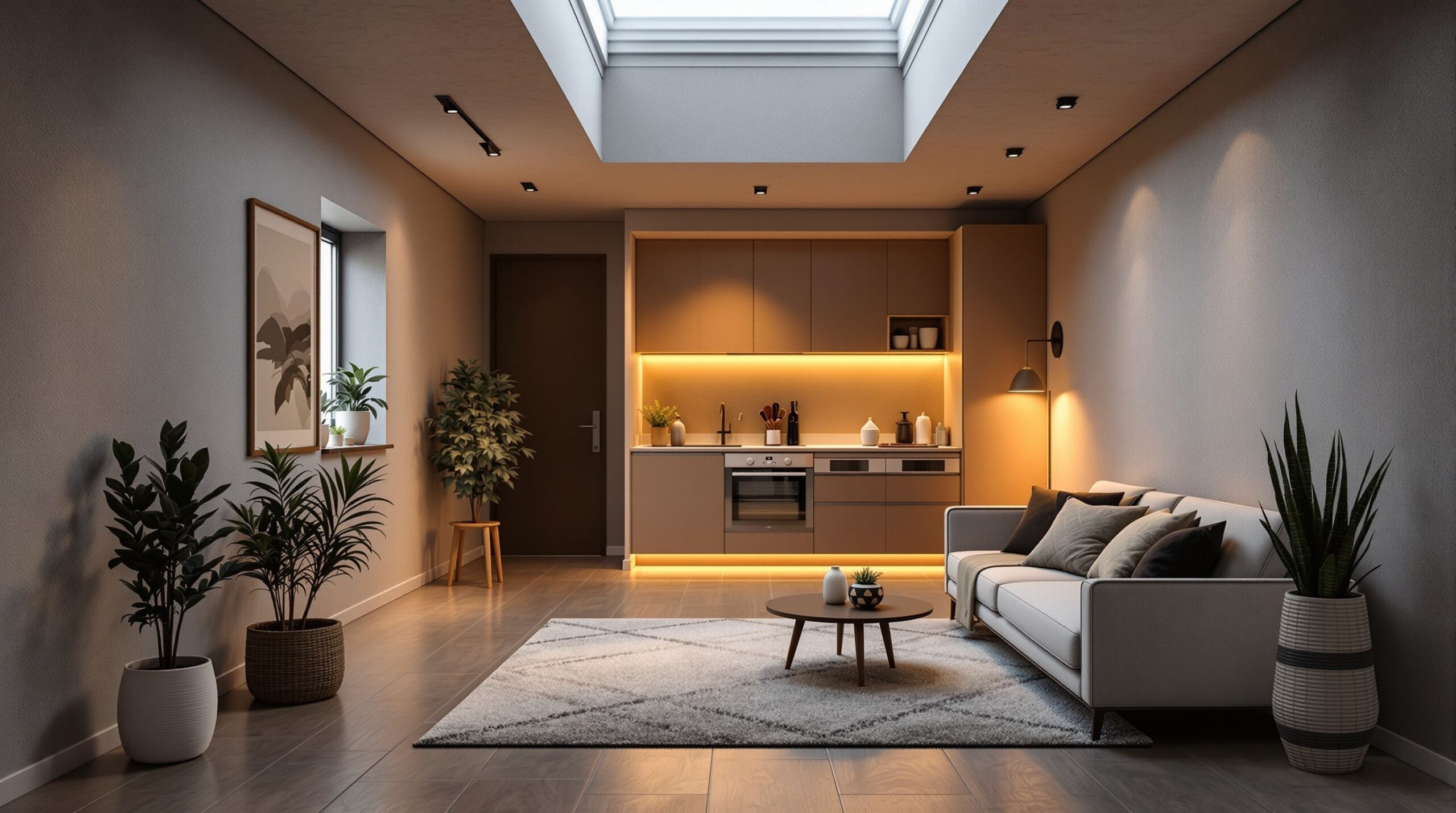
Lighting is a top priority. Recessed ceiling lights, wall sconces, and strategically placed mirrors can dramatically increase brightness. Light-colored paint and minimalist décor also help reflect what natural light does exist, making the space feel larger and airier.
Open-concept layouts are another design trick. By minimizing walls and barriers, designers can enhance flow and openness, preventing the basement from feeling cramped. Multipurpose furniture, like sofa beds or folding tables, maximizes space efficiency without clutter.
Adding greenery—whether real or artificial—can bring life and freshness to the environment. Even a few potted plants near windows or under grow lights can make a surprising difference. The goal is to counterbalance the lack of sunlight with color, texture, and warmth.
For walk-out basements, glass doors or larger window wells can dramatically change the ambiance, flooding the space with natural light and connecting it to outdoor areas. In well-designed basements, the line between “underground” and “above-ground” becomes beautifully blurred.
The Financial Side: Affordable Doesn’t Mean Inferior
Basement apartments are often viewed as the “budget” option, but affordability doesn’t have to mean compromise. In high-demand cities where rents continue to climb, these units offer access to desirable neighborhoods at a fraction of the cost. Renters can live closer to downtown areas, schools, or transportation hubs while maintaining financial flexibility.
For property owners, basement apartments can be an excellent source of supplemental income. A well-designed and legal basement suite can significantly increase a home’s value and attract long-term tenants. In fact, many municipalities now encourage basement conversions as a way to expand housing availability in dense urban markets.
However, potential renters should carefully weigh value against condition. A cheap basement apartment that lacks ventilation, lighting, or safety certifications may not be worth the savings. It’s important to inspect for moisture issues, verify fire exits, and ensure the space feels secure and comfortable.
When properly maintained, basement apartments can provide exceptional value—combining cost savings, privacy, and convenience in ways that few other housing types can match.
The Lifestyle: Cozy Living with Character
There’s something inherently intimate about basement living. The lower ceilings, compact layouts, and enclosed atmosphere create a sense of coziness that appeals to many. For creatives and introverts, the quiet and privacy can be ideal for focused work or relaxation.
The unique atmosphere of a basement apartment also allows for bold personal expression. Warm lighting, textured rugs, and carefully chosen art can turn a simple space into a sanctuary. Many tenants find that the limitations of a basement push them to think more intentionally about what they bring into their homes, resulting in clutter-free, purposeful living.
For others, the appeal lies in the unconventional nature of the space. There’s a certain charm in making a home where few think to look—a sense of individuality and resourcefulness. It’s living with a story, where the space itself becomes part of your narrative.
However, it’s important to embrace the basement lifestyle with awareness. Managing humidity, keeping air fresh, and maintaining cleanliness are essential to comfort. With proper care, a basement apartment can feel surprisingly bright, airy, and inviting.
The Verdict: Gem or Hassle? It Depends on Perspective
So, are basement apartments hidden gems or hidden hassles? The answer depends on who you ask—and how the space is designed and maintained.
For some, the lower rent, privacy, and cozy feel make basement living a perfect fit. When properly finished, ventilated, and waterproofed, these units can rival traditional apartments in comfort and style. They offer a sense of security and stability, particularly in urban environments where every square foot counts.
For others, the drawbacks—lack of sunlight, potential dampness, and occasional maintenance challenges—can outweigh the savings. Those sensitive to natural light or prone to feeling confined may find basement living less appealing.
Ultimately, the key lies in awareness and preparation. Prospective renters should approach basement apartments with curiosity and caution—researching legality, inspecting conditions, and imagining how they’d adapt the space to their lifestyle. With the right approach, what might seem like a compromise can become an opportunity for creativity, affordability, and comfort.
Living Beneath, Thinking Beyond
Basement apartments occupy a special place in the housing landscape—neither glamorous penthouses nor cramped dorms, but something entirely their own. They remind us that great living isn’t about altitude; it’s about attitude. A well-designed basement apartment can offer warmth, practicality, and charm, turning an underused space into a vibrant home. As cities grow denser and housing demands rise, basement apartments will continue to play an important role in providing affordable, adaptable options. They’re proof that with a little imagination, even the lowest floor can rise to the occasion. For those willing to see potential where others see problems, basement apartments can be more than a last resort—they can be a smart, stylish, and surprisingly comfortable way to live. Hidden gem or hidden hassle? Perhaps they’re both—and that’s exactly what makes them so interesting.