Moving into your first apartment is an exciting milestone. It marks the beginning of independence, self-reliance, and the chance to create a living space that feels uniquely your own. But before you can enjoy your cozy living room or cook your first dinner in your new kitchen, there’s a crucial step that every first-time renter must navigate: setting up utilities. These behind-the-scenes systems power everything you do—from turning on a light to taking a hot shower to streaming your favorite shows. Understanding how utilities work, how to set them up, and how to manage them efficiently sets you up for long-term success in your new home.
A: Start with electricity and gas (if used), then water if needed, and finally internet. Those four cover comfort, safety, and basic daily life.
A: A week to 10 days before move-in is ideal; earlier is fine, but don’t wait until the day before you need service.
A: Usually your full name, address, move-in date, phone number, sometimes your Social Security number, and possibly a copy of your lease.
A: Often yes for first-timers or if you have limited credit history. Some companies waive deposits with good credit or autopay.
A: Lights, outlets, and water should work; if they don’t, call the provider or landlord immediately and reference your confirmation.
A: Sometimes. In many apartments, these are handled by the landlord and charged back to you via rent or a small monthly fee.
A: It depends on the building and city. Some apartments are wired for only one provider; others give you several options.
A: Either one of you can be the account holder, but agree in writing how you’ll split and pay each bill.
A: Set up autopay where possible, use calendar reminders, and consider a separate “bills” bank account that always stays funded.
A: Make a checklist, contact providers early, confirm start dates, keep all logins and account numbers together, and build utilities into your monthly budget from day one.
Electricity and Gas: Powering Your Daily Life
Electricity and gas are among the most essential utilities you’ll set up in your first apartment, as they provide the energy for lighting, heating, cooling, cooking, and powering your devices. These utilities require careful planning because activation time can vary, and missing a step could delay your move-in comfort significantly.
In some apartments—particularly newer complexes—management sets up electricity or gas for the entire building and includes the cost in your rent. In most cases, however, you’ll need to establish your own account with the local utility provider. Before move-in day, ask your landlord which company services your building so you know exactly where to start.
Once you know your provider, the setup process usually begins online or with a quick phone call. You’ll be asked for basic information such as your name, move-in date, Social Security number, and sometimes proof of residence or employment. Many utility companies run a credit check to determine whether a deposit is required. Renters with little or no credit history often pay an upfront deposit that’s credited back after a period of on-time payments.
The timing is crucial. It’s best to schedule electricity and gas activation three to five days before your move-in date to ensure everything is functioning when you arrive. If your apartment uses gas for heating or appliances, make sure your provider knows exactly which services you need so nothing is missed during activation.
Understanding how electricity and gas billing works also prepares you for monthly expenses. Some providers offer level billing programs that average your usage throughout the year, reducing bill fluctuations during extreme weather seasons. Others offer off-peak pricing that makes it cheaper to run certain appliances during specific hours. The more familiar you become with the options, the more control you’ll have over your monthly budget.
Water, Sewer, and Trash: The Essentials You Rarely Think About
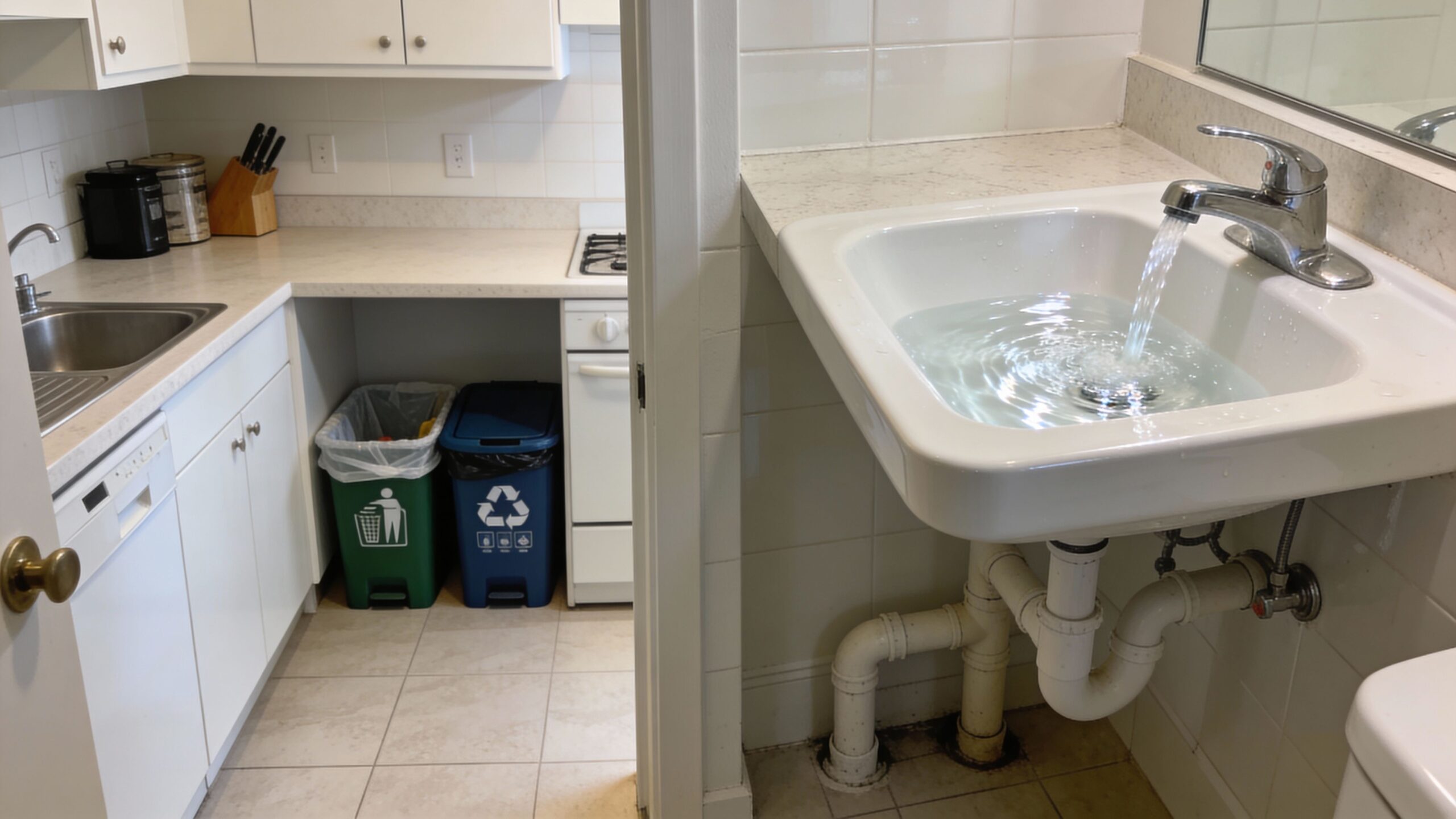
Unlike electricity and gas, water, sewer, and trash utilities are often managed directly by your property manager or city, making the setup process different from other utilities. In most apartment buildings, these services are either included in the rent or billed separately by the landlord. However, some cities require tenants to set up their own water service, especially in smaller multi-unit buildings or duplexes.
Before signing your lease, ask whether these utilities are included in your rent and who manages them. If your landlord handles the billing, you may simply pay a flat rate or a variable fee based on usage. If you need to set up water service independently, the process is similar to electricity—typically requiring a service request, basic personal information, and sometimes a deposit.
Trash collection also varies by building. Larger complexes usually have on-site dumpsters or trash chutes, with the cost included in rent or automatically added as a small monthly fee. Some communities even provide valet trash service, where staff pick up your bags directly from your door. While convenient, this service often comes with an additional charge.
Understanding how these utilities are structured in your building helps you prepare for monthly expenses. Water bills tend to be lower than electricity or gas but can still fluctuate based on seasonal usage and personal habits. Long showers, frequent laundry loads, or leaking fixtures can increase your bill unexpectedly. Trash fees may be fixed, but knowing what you’re paying for avoids confusion and potential disputes later.
The setup for water, sewer, and trash may seem simple—but understanding how they work ensures you know exactly where your money is going each month. This clarity is essential for building a realistic utility budget.
Internet and Cable: Your Connection to the Outside World
Of all the utilities you’ll set up in your first apartment, internet is often the most time-sensitive and most important for your day-to-day life. Whether you work from home, enjoy streaming, or simply need reliable connectivity for personal tasks, securing the right internet plan is a top priority. Start by asking your landlord or leasing office which providers service your building. Not all internet companies operate in every neighborhood, and some buildings have partnerships with specific providers. Once you know your options, compare speeds, pricing structures, and contract terms. Fiber-optic connections offer the fastest speeds, but cable and DSL may be your only choices depending on the building’s wiring. Internet setup typically involves scheduling installation a week or more before your move-in date to reserve the earliest appointment. Providers often offer self-install kits for buildings with existing wiring, but older units may require a technician visit. Ask your landlord whether your apartment already has active wiring or if new installation is needed.
When choosing a plan, think beyond the cheapest option. Slow internet speeds can quickly become frustrating, especially for renters who use video conferencing, online gaming, or 4K streaming. Many first-time renters underestimate the bandwidth they need and end up upgrading mid-lease. It’s better to start with a comfortable speed tier and adjust only if necessary. Cable service is optional today, but bundles that combine internet and TV sometimes offer financial benefits. However, streaming platforms have become the go-to choice for many renters. Choose the option that fits your lifestyle and budget, but don’t underestimate the importance of reliable high-speed internet in your new home.
Heating, Cooling, and the Thermostat: Comfort You Don’t Want to Get Wrong
Heating and cooling aren’t utilities you “set up” in the traditional sense, but they are essential systems you need to understand in your first apartment. How your thermostat works, what type of heating and cooling your building uses, and how these systems are billed all play a major role in daily comfort and monthly utility costs. Start by asking your landlord what type of heating and cooling system your apartment has. Some units feature central air conditioning and gas furnaces, while others rely on electric baseboard heaters, wall units, radiators, or heat pumps. Each system has different implications for energy usage and cost. For example, electric heating is convenient but often more expensive than gas heating in colder climates.
Understanding thermostat control is equally important. Some buildings use programmable thermostats that allow you to set temperatures automatically throughout the day. Others use manual thermostats that require more frequent adjustments. A few older buildings operate on centralized heating systems that the tenant cannot control, potentially leading to higher temperatures or inefficiency.
It’s important to ask how your heating and cooling is billed. In some buildings, the cost is included in rent; in others, it’s billed separately through electricity or gas usage. Buildings with shared boiler systems often divide costs among tenants, while individually metered units charge based on personal consumption. Knowing how your heating and cooling system works helps you establish a comfortable living environment while avoiding surprise bills. A few degrees of difference on the thermostat can significantly impact your monthly expenses. Understanding these systems before you move in ensures your apartment stays comfortable without straining your budget.
Additional Fees and Services: The Overlooked Pieces of the Setup Puzzle
Setting up utilities in your first apartment goes beyond the traditional essentials. Many modern apartment buildings include or require additional services that influence your monthly expenses. Understanding these add-on utilities and fees helps you prepare for the full cost of living in your new space. Some apartments charge for pest control, smart home features, package locker access, or community security systems. While these services improve convenience and safety, they can add anywhere from a few dollars to over a hundred dollars per month depending on your building. Ask your landlord upfront which services carry extra fees so you know exactly what to expect. Parking is another significant consideration. If your building offers reserved parking spaces, gated garages, or covered carports, these amenities almost always come with additional monthly charges. Parking fees vary widely by city and building—sometimes costing more than a utility bill. Understanding your building’s parking structure early helps you avoid sticker shock later. Pet owners face additional requirements as well. Pet rent has become increasingly common in apartment complexes, with charges ranging from modest to substantial based on the type and size of your pet. One-time pet deposits and fees are also standard. While not technically utilities, these costs function like recurring monthly services and therefore factor into your overall apartment budget.
Knowing every potential service fee ahead of time gives you a clear picture of what your monthly apartment expenses will truly look like. The more transparency you have going in, the smoother your budgeting and setup process will be.
Timing and Preparation: How to Set Up Everything Smoothly
Timing is one of the most important factors when setting up utilities in your first apartment. If you wait too long, you may find yourself moving into a space without electricity, gas, hot water, or internet. If you start too early, you may be billed before you’ve even moved in. Knowing when to schedule each utility ensures your move-in day goes exactly as planned.
Electricity and gas should be scheduled three to five days before your official move-in date. This window gives your provider time to activate service without leaving you responsible for usage before you’re legally occupying the unit. Water, sewer, and trash rarely require scheduling unless you’re responsible for setting them up independently, in which case contacting your city a week in advance is ideal.
Internet setup requires the longest lead time because technician appointments can fill up quickly. Scheduling installation one to two weeks before move-in ensures you get your preferred date and avoid unnecessary delays. If a self-install kit is available, order it early so you can activate service as soon as you arrive. Before contacting any provider, gather the information you’ll need, including your lease start date, address, identification documents, and sometimes your landlord’s name. Moving efficiently through the setup process saves time, reduces stress, and helps you enter your new apartment with everything ready to go.
Living Smart: Managing Your Utilities Like a Pro
Setting up utilities is just the beginning. Managing them effectively transforms your apartment from a functioning space into a comfortable, efficient, and affordable home. Understanding how to read your bills, monitor your usage, and optimize your energy habits helps you stay in control of monthly costs. Start by familiarizing yourself with each utility bill. Learn how electricity and gas meters work, identify peak billing cycles, and note whether your provider offers alerts or usage tracking. Many utility companies have apps that display real-time consumption, helping you understand which appliances draw the most power. Simple lifestyle adjustments create meaningful savings. Turning off lights when leaving a room, regulating thermostat temperatures, fixing leaks promptly, and running full loads of laundry all contribute to lower monthly bills. If you live with roommates, establishing guidelines around usage helps prevent disputes and ensures fairness. Internet management also matters. Securing your Wi-Fi network, monitoring connected devices, and regularly rebooting your modem keeps your connection running smoothly. Some renters enjoy added savings by adjusting their plans during periods of lower usage. Mastering your utilities means maintaining comfort without overspending. With awareness and intentionality, your first apartment becomes not just an address, but a well-managed home where your utilities support your lifestyle rather than drain your budget.