Lowering your electric bill doesn’t have to mean giving up long showers, cutting down screen time, sweating through summer afternoons, or shivering through winter mornings. Many people assume that saving money on electricity requires major lifestyle changes, but the truth is far more empowering. The biggest savings often come from smarter habits, hidden inefficiencies, and small adjustments that you barely notice—yet they reduce your bill dramatically. Electricity costs rise every year, driven by higher demand, aging grids, and shifting energy markets. For renters and homeowners alike, the electric bill becomes a stress point that can easily spiral beyond expectations. But by understanding how electricity is actually used in your home, you gain the power to control those costs without sacrificing comfort or convenience.
A: Yes. Focus on efficiency, timing, and small setting changes that you barely notice instead of cutting comfort or activities.
A: Swap your most-used bulbs to LEDs and put your main entertainment setup on a smart strip you turn off at night.
A: Not necessarily. A 1–2 degree change, sealing drafts, and using ceiling fans can lower costs while your AC still runs regularly.
A: Alone, no—but grouped on a strip with other electronics, turning them off together can add up without any lifestyle change.
A: You can still use draft stoppers, blinds, fans, and LEDs; ask about reasonable thermostat settings or maintenance if it seems inefficient.
A: Compare your daily routine with the plan’s peak times and prices; if they don’t match, ask about switching to a better fit.
A: Often, a full modern dishwasher load is more efficient than long, hot handwashing sessions—just run it full and off-peak.
A: If your lease allows and you’ll be there a while, the savings and convenience can pay off—and you can often take them with you.
A: Many tweaks show up within one billing cycle, though seasonal weather can mask some of the impact; look at usage (kWh), not just cost.
A: Keep living your life, but quietly make your apartment and devices work smarter—not harder—behind the scenes.
Mastering Your Thermostat: The Secret Savings Hidden in Plain Sight
Heating and cooling are the largest contributors to your electric bill, often accounting for nearly half of your total energy usage. The thermostat becomes the heartbeat of your energy system, quietly influencing your bill more than any other device in your home. But lowering energy costs doesn’t require you to live uncomfortably or constantly adjust the temperature. You simply need to understand how your thermostat interacts with your space.
One of the simplest ways to reduce energy consumption is ensuring your home maintains stable temperatures rather than dramatic fluctuations. Rapid changes cause your HVAC system to work harder, consuming significantly more electricity. Keeping your thermostat at a consistent setting allows your system to operate efficiently without overexertion.
Smart thermostats provide even greater opportunities for savings without requiring any lifestyle adjustments. They automatically learn your patterns, anticipate temperature needs, and regulate usage behind the scenes. Even if you prefer a warm home in the winter or a cool space in the summer, smart thermostats deliver your preferred environment more efficiently than manual systems.
Another overlooked factor involves airflow. Even the most efficient heating and cooling system wastes energy if the airflow is obstructed. Ensuring vents are open and unobstructed makes your system’s job easier, reducing energy usage without changing your daily routine. Air filters matter as well. Clogged filters force HVAC systems to work overtime. Replacing filters regularly instantly reduces unnecessary energy consumption.
You’re not giving up comfort—you’re simply making your system work smarter instead of harder. These adjustments keep your home cozy while quietly slashing your electric bill every single month.
Lighting That Works for You, Not Against You
Lighting seems small, but it has an outsized impact on your electric bill—especially if your home uses older bulbs or inefficient fixtures. Fortunately, lighting is one of the easiest areas to optimize without changing your lifestyle or habits.
Switching to LED bulbs is the fastest, most impactful change. LED lights consume a fraction of the electricity of incandescent bulbs and last significantly longer, meaning you save money both monthly and long term. You can still enjoy bright, warm, or cool lighting exactly the way you like it; LED bulbs come in all shades, intensities, and styles. You don’t have to use the lights less—you simply use better lighting technology that supports your comfort.
Another smart strategy involves taking advantage of natural light. This doesn’t mean keeping the lights off or adjusting your routine. It simply means opening curtains during the day to allow natural light to illuminate your space. Sunlight enhances your living environment while reducing the need for artificial lighting, all without requiring you to alter your habits.
Lighting timers and smart switches offer more effortless ways to save. These technologies help ensure lights aren’t left on unnecessarily in certain rooms, but they do it automatically, without requiring you to remember anything. They manage your lighting patterns, not your lifestyle.
Lighting is one of the fastest, easiest wins when it comes to reducing your electric bill. You enjoy the same brightness, same comfort, same atmosphere—just with far less energy waste.
Appliances and Electronics: The Invisible Energy Consumers
While heating, cooling, and lighting are obvious energy consumers, the true silent drain on your electric bill often comes from everyday appliances and electronics that operate quietly in the background. Even when turned off, many devices still draw power through a phenomenon known as phantom energy consumption. These hidden consumers can add up quickly, raising your bill without providing any real benefit.
Fortunately, reducing phantom energy doesn’t require you to unplug every device after use or change the way you interact with your electronics. Smart power strips handle the problem automatically by cutting power to devices that are not in active use. You continue using your electronics exactly the same way—it’s simply the power strip that becomes more efficient.
Large appliances such as refrigerators, washing machines, and dishwashers also influence your electric bill more than you may realize. But lowering their energy consumption rarely requires changing routines. For example, ensuring your refrigerator seals are airtight keeps it from working harder than necessary. Running full loads in washers and dishwashers improves efficiency without requiring you to run them less often. Even older appliances can be optimized. Adjusting the temperature settings on refrigerators and freezers, keeping coils clean, and maintaining proper ventilation all improve energy performance significantly without forcing lifestyle changes.
Electronics like TVs, computers, and gaming systems also offer opportunities for smarter energy usage. Many devices include energy-saving modes that operate automatically once enabled—no behavioral changes required.
By making your appliances and electronics more energy-intelligent, you cut excessive power usage while continuing to enjoy your home exactly the way you want.
Optimizing Your Home’s Layout for Efficiency Without Rearranging Your Life
Your home’s layout plays a surprisingly big role in how much electricity you use. But optimization doesn’t require you to rearrange your space in drastic ways or compromise your comfort. Small adjustments can dramatically improve energy efficiency without changing the functionality or appearance of your home.
Furniture placement impacts airflow. Large items placed in front of vents force your HVAC system to work harder than necessary, increasing your electricity usage. Simply ensuring vents have at least a small amount of clearance can improve efficiency immediately. This isn’t a lifestyle change—it’s a one-time adjustment that pays ongoing dividends. Window treatments also influence energy consumption. Curtains, blinds, and drapes can help regulate indoor temperatures. In hot climates, closing blinds during peak sun hours can keep your home cooler without using extra electricity. In cold seasons, heavier curtains help retain warmth, reducing heating needs. You don’t have to adjust your schedule—just let your window coverings do the work. If your unit receives intense afternoon sunlight, using reflective or thermal window film reduces heat gain without darkening your home. This small upgrade creates comfort while lowering energy costs passively.
Even the placement of your electronics impacts energy efficiency. TVs and computers placed near heat sources or in direct sunlight cause internal components to work harder, consuming more energy. Placing them in naturally cooler spots helps them operate efficiently without requiring you to use them differently. These small optimizations work quietly in the background, ensuring your home supports efficiency without changing how you live in it.
Water-Connected Electricity Use: A Hidden Area of Savings
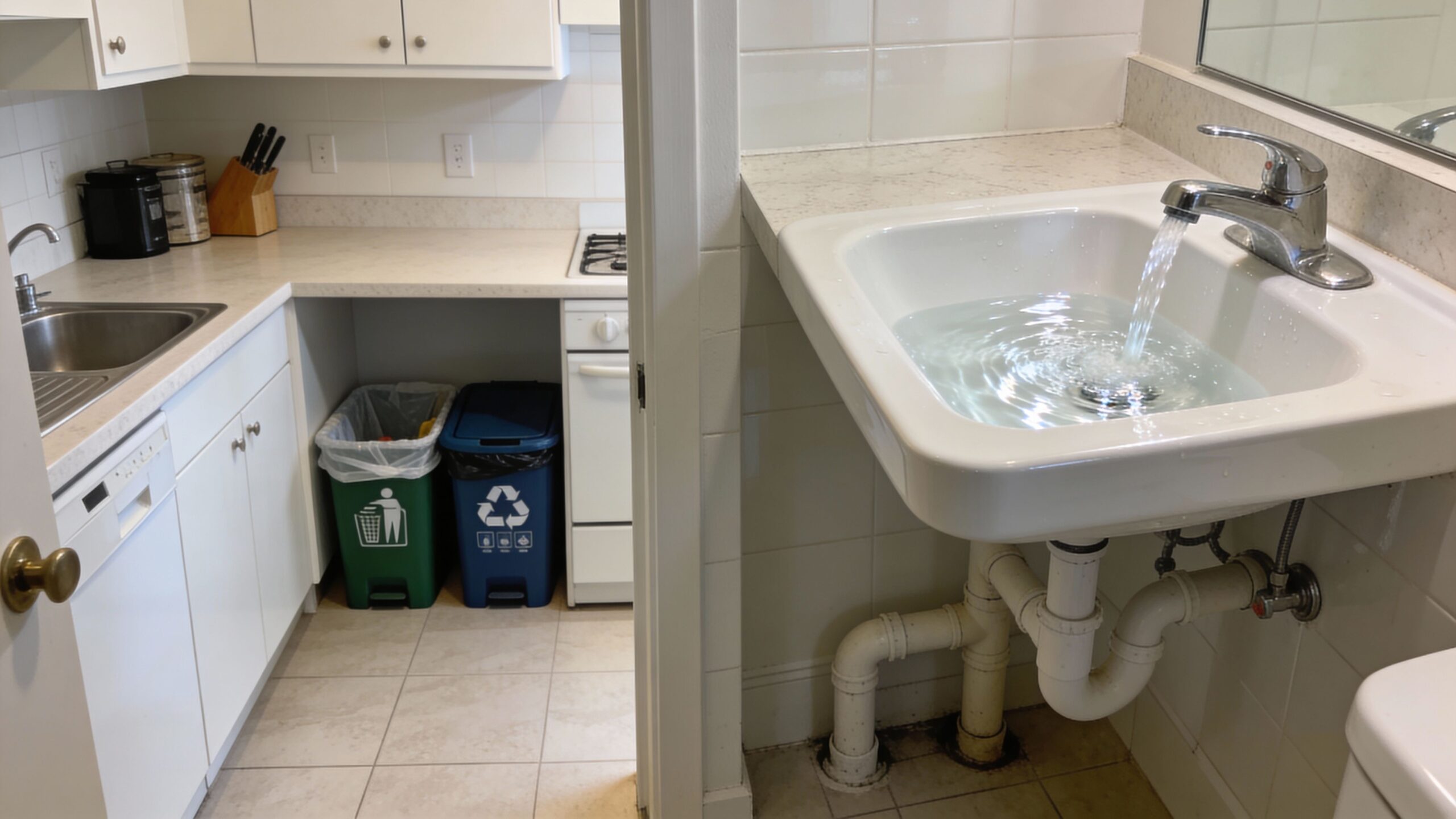
Not all electric usage involves electronics or lighting. Many of your home’s electric systems connect indirectly to water usage, and optimizing water-related appliances is one of the most underrated ways to lower your electric bill quickly and painlessly. Water heaters consume large amounts of electricity, especially if they operate inefficiently. Lowering your water heater temperature slightly—not enough to impact comfort—reduces energy consumption significantly. Many renters don’t realize that water heaters are often set far higher than necessary. A small adjustment results in both electric and water savings without changing your shower habits. Fixing minor leaks also reduces hidden electricity usage. When a faucet drips or a pipe leaks, your water heater works unnecessarily to replenish warm water. You may never notice this, but your electric bill does. Addressing leaks quickly prevents wasted energy without requiring you to modify your daily routines.
Using cold water for laundry is another effortless savings strategy. Modern detergents are designed to clean effectively in cold water, and switching doesn’t change how often you wash clothes or how you live—it simply changes the energy required to heat water. Dishwashers also impact electricity usage indirectly through heated drying cycles. Many modern dishwashers include an air-dry setting that uses minimal electricity. You don’t have to dry dishes by hand; you simply choose the option that consumes less energy. Understanding the connection between water and electricity gives you more avenues to save without adjusting your lifestyle or compromising convenience.
Little-Known Utility Company Programs That Save You Money Instantly
One of the most overlooked opportunities to lower your electric bill comes from utility company programs designed to help renters and homeowners reduce energy costs. These programs are rarely advertised prominently, yet they offer huge savings with zero lifestyle changes. Many utility providers offer free or discounted home energy audits. During an audit, a technician identifies areas where energy is being wasted—drafts, inefficient lighting, aging appliances, and more. You don’t change how you live; you simply gain insight into where your home can operate more efficiently. Rebate programs also provide immediate financial benefits. Utility companies often give rebates for purchasing LED light bulbs, smart thermostats, and energy-efficient appliances. You may already want these upgrades for comfort or convenience—rebate programs simply make them more affordable. Some companies offer time-of-use plans that lower your rate during certain hours. Even if you don’t consciously shift your schedule, certain appliances you use naturally—like dishwashers or laundry—may already run during off-peak hours, meaning you save without trying.
Payment smoothing programs also help manage seasonal fluctuations by averaging your bill over 12 months. This doesn’t reduce your total electricity cost, but it does prevent expensive spikes during extreme weather seasons, making budgeting far easier. Exploring these programs takes only a few minutes but can reduce your bill instantly—without you changing anything about your lifestyle.
Turning Awareness Into Effortless Savings Every Single Month
Lowering your electric bill without lifestyle changes is entirely achievable when you understand how electricity flows through your home and which factors influence your energy usage. From thermostat optimization and lighting upgrades to appliance efficiency and utility provider programs, the most effective strategies require minimal adjustments and deliver maximum rewards. The goal isn’t to turn off lights constantly, endure uncomfortable temperatures, or give up everyday conveniences. The goal is to make your home work more intelligently. Once you understand where inefficiencies hide, you can correct them quickly and enjoy long-term savings without altering your routines. By applying the insights in this guide, you gain control over your electric bill in ways that feel effortless and intuitive. Whether you’re a renter navigating your first apartment or a homeowner looking to maximize savings, these strategies empower your space to support your lifestyle rather than constrain it. Lowering your electric bill fast isn’t about sacrifice—it’s about smart choices, hidden opportunities, and simple adjustments that add up month after month. When your home becomes more efficient, your wallet grows more resilient, and your everyday life stays just as comfortable, convenient, and enjoyable as ever.