Moving into your first apartment is one of those milestones that feels both exhilarating and slightly overwhelming. You finally have your own space, your own rules, and the freedom to shape daily life exactly how you want it. At the same time, that empty apartment can feel intimidating. Every room echoes, every outlet seems important, and suddenly you’re asking yourself what you actually need to live comfortably versus what just looks good on social media. This is where many first-time renters overspend, buying trendy items that don’t improve daily life while forgetting essentials that make a space functional. The truth is that a great first apartment isn’t built overnight or filled with designer furniture on day one. It’s built thoughtfully, starting with items that support real routines like sleeping well, cooking simple meals, staying organized, and feeling at home. This guide cuts through the noise to focus on first apartment essentials you genuinely need and highlights what you can confidently skip until later, saving money, space, and stress in the process.
A: Bed setup, shower setup, trash can, basic dishes, and cleaning basics—comfort + hygiene + function.
A: Buying lots of single-use kitchen gadgets before you know your cooking habits.
A: No—start with one pan, one pot, one baking sheet, a knife, and add as you cook.
A: A plunger and a small fire extinguisher—quiet heroes when chaos hits.
A: Over-door hooks, Command strips, under-bed bins, and a rolling cart.
A: Doorways, stairwells, elevator size, and the exact spot for big items (sofa, bed, table).
A: Yes for side tables/storage; be pickier with bed/sofa since you use them daily.
A: Add floor/table lamps and swap bulbs to warm light—massive vibe upgrade.
A: All-purpose cleaner, dish soap, sponges, microfiber cloths, toilet brush, and a vacuum/broom plan.
A: Extra decor, specialty appliances, and “perfect” storage systems—live in the space first.
Furniture That Earns Its Place
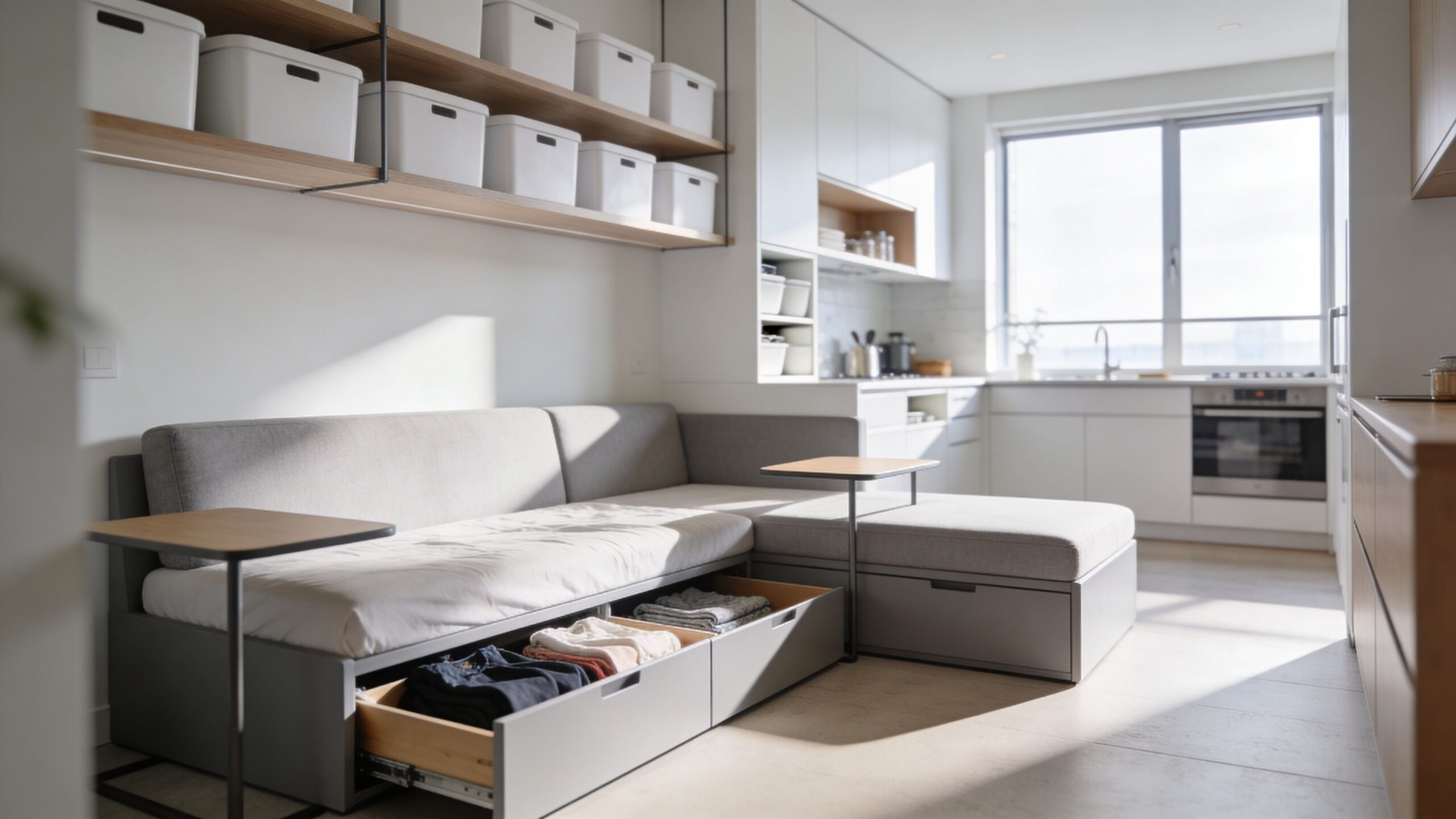
Furniture is usually the biggest expense and the easiest area to overspend. The key is to think about how you actually live, not how you imagine a fully staged apartment should look. A comfortable bed and mattress should be your top priority, because quality sleep affects everything from productivity to mood. A simple bed frame that lifts your mattress off the floor is enough to start, and you can always upgrade later. Seating matters too, but that doesn’t mean you need a full sectional or matching living room set right away. One solid couch or loveseat that fits your space comfortably is plenty, especially if you choose something neutral that can adapt as your style evolves.
A small dining table or desk that can double as a workspace is another smart investment, particularly if your apartment is compact. Storage-focused furniture, like a dresser that actually holds everything you own or a bookshelf that keeps clutter off the floor, quietly improves daily life more than decorative pieces ever will. What you can skip at first are accent chairs, coffee tables that exist only for looks, and oversized furniture bought just to fill space. Empty space isn’t a failure; it’s flexibility waiting to be used.
The Kitchen Reality Check
The kitchen is where expectations and reality collide the hardest. You might imagine hosting elaborate dinners or baking every weekend, but your real routine will likely revolve around simple meals and quick cleanup. Start with the basics that allow you to cook and eat comfortably. A single good pan, a medium pot, a sharp knife, a cutting board, and a few basic utensils will cover most meals. Plates, bowls, glasses, and silverware for yourself and one or two guests are plenty. A microwave-safe container set for leftovers is far more useful than specialty cookware.
Small appliances are where many first apartment kitchens go wrong. You do not need a blender, air fryer, slow cooker, espresso machine, and stand mixer all at once. Pick one appliance that matches your actual habits, whether that’s a coffee maker if you drink coffee daily or a rice cooker if it simplifies your meals. Skip novelty gadgets and matching cookware sets until you know what you truly use. A simple trash can, dish soap, sponges, and a drying rack quietly become the most-used kitchen items, yet they’re often forgotten in the excitement of move-in day.
Bedroom Comfort Over Aesthetic Perfection
Your bedroom should feel like a place to rest, not a showroom. Comfortable bedding makes a bigger difference than any decorative pillow ever will. Invest in sheets that feel good against your skin, a pillow that supports your sleep style, and a blanket that suits your climate. Curtains or blinds are essential for privacy and light control, even if they’re basic to start. A lamp or two matters more than you think, especially if overhead lighting is harsh or limited.
Storage solutions are also key in a first apartment bedroom. Under-bed bins, a closet organizer, or a simple wardrobe rack can transform a cramped space into a functional one. Nightstands are helpful but not mandatory on day one; a sturdy chair or small table works just fine temporarily. Skip decorative headboards, excessive throw pillows, and expensive art until you understand how the space feels to live in every day. Comfort and calm matter far more than visual perfection.
Bathroom Basics That Make Life Easier
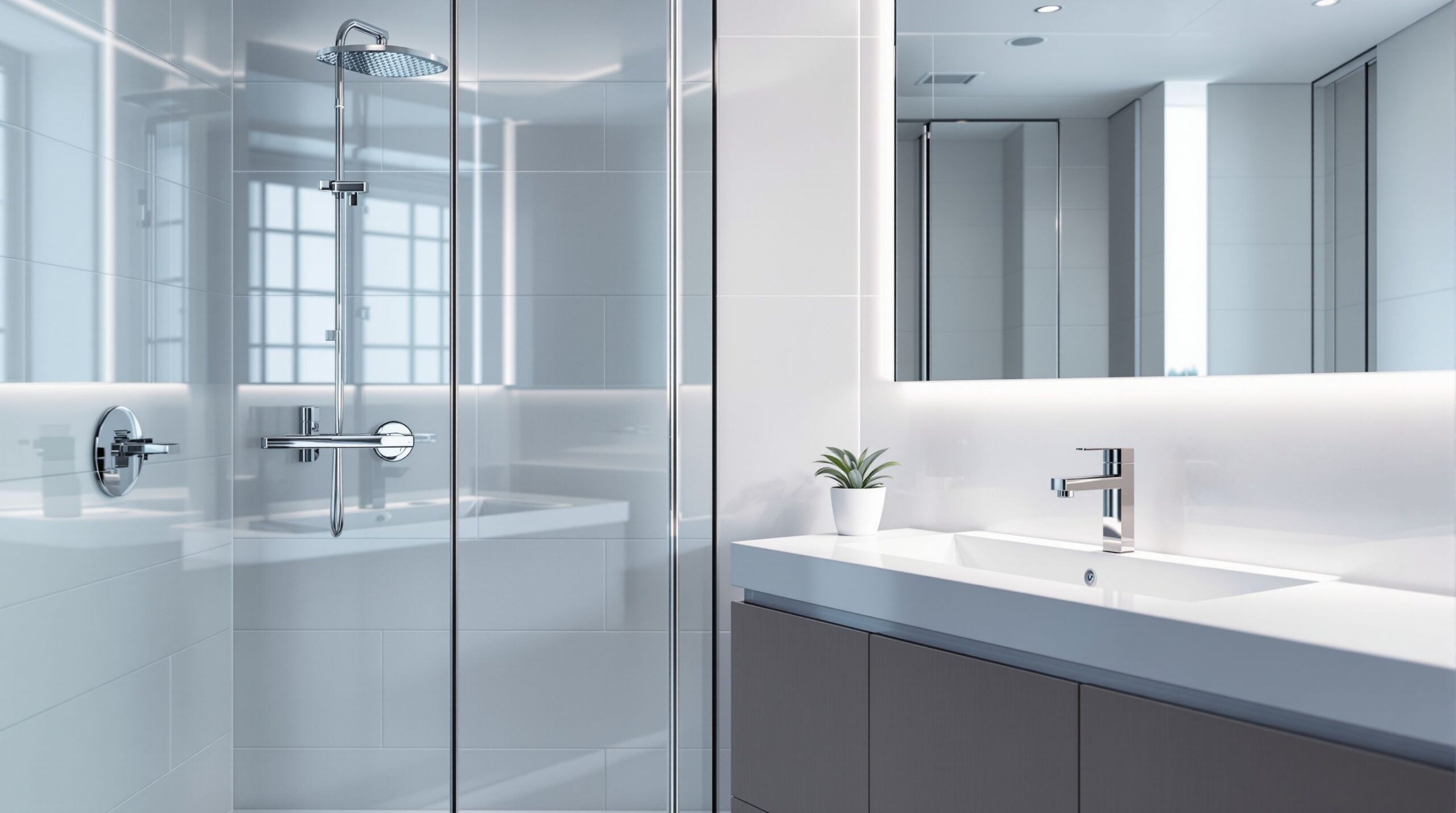
Bathrooms are small spaces where practical items have an outsized impact. A shower curtain and liner, bath mat, towels, and basic toiletries are non-negotiable essentials. A small trash can, toilet brush, and plunger are items you hope you won’t need often, but you’ll be grateful they’re there when you do. Storage is especially important in apartment bathrooms, so a simple shelf, over-the-toilet unit, or under-sink organizer can prevent clutter from taking over.
It’s easy to overspend here on matching accessory sets or luxury towels before you know what works best. Start with functional items that dry quickly and fit your space. Skip fancy dispensers, decorative trays, and high-end linens until you’ve lived there long enough to know what upgrades actually improve your routine. A clean, organized bathroom does more for your daily mood than any aesthetic detail.
Cleaning, Laundry, and the Unseen Essentials
These are the items that rarely make move-in mood boards but define how livable your apartment feels. Basic cleaning supplies like an all-purpose cleaner, paper towels, a broom or vacuum, and a few microfiber cloths will cover most needs. Laundry essentials depend on your setup, but a hamper, detergent, and something to carry clothes to a shared laundry room are must-haves.
Power strips, extension cords, and light bulbs are often forgotten until it’s inconvenient. A basic toolkit with a screwdriver, hammer, and tape measure can solve countless small problems without calling maintenance for everything. These items don’t add visual appeal, but they add independence and confidence. Skip specialty cleaners and bulky storage systems until you see what messes you actually deal with on a weekly basis.
Decorating Slowly and Intentionally
Decor is where personality comes in, but it’s also where patience pays off. Living in your apartment for a few weeks helps you understand how light moves through the space, which walls feel empty, and what colors you’re drawn to. A few meaningful pieces, like framed photos, a plant, or a favorite print, go further than filling every surface with décor.
Lighting is one area worth some attention early on. A floor lamp or table lamp can instantly make a space feel warmer and more livable than overhead lighting alone. Rugs can define areas and add comfort, but they’re best chosen after furniture is in place to ensure proper sizing. Skip wall decals, overly trendy art, and décor bought solely to match an imagined theme. Your apartment should evolve naturally as you do.
What You Can Confidently Skip for Now
There’s relief in knowing what not to buy. Full matching furniture sets, expensive entertainment centers, and guest-specific items like extra bedding for visitors can wait. You don’t need a fully stocked bar cart, decorative storage baskets for every corner, or smart home devices on day one. Many of these purchases make more sense after you’ve lived in the space long enough to identify real gaps.
The biggest mistake first-time renters make is trying to finish their apartment immediately. A home isn’t a checklist; it’s a process. Skipping non-essential items early leaves room for better decisions later, whether that means upgrading quality, finding items secondhand, or investing in pieces that truly reflect your lifestyle.
Building a Home That Grows With You
Your first apartment is less about perfection and more about learning how you live independently. The essentials you choose should support daily routines, comfort, and peace of mind, not impress an imaginary audience. By focusing on what you actually need and skipping what you don’t, you create a space that feels intentional rather than overwhelming. Over time, your apartment will fill in naturally with items that carry memories, solve problems, and reflect your personality. That evolution is part of the experience, and it’s what turns a simple apartment into a real home.