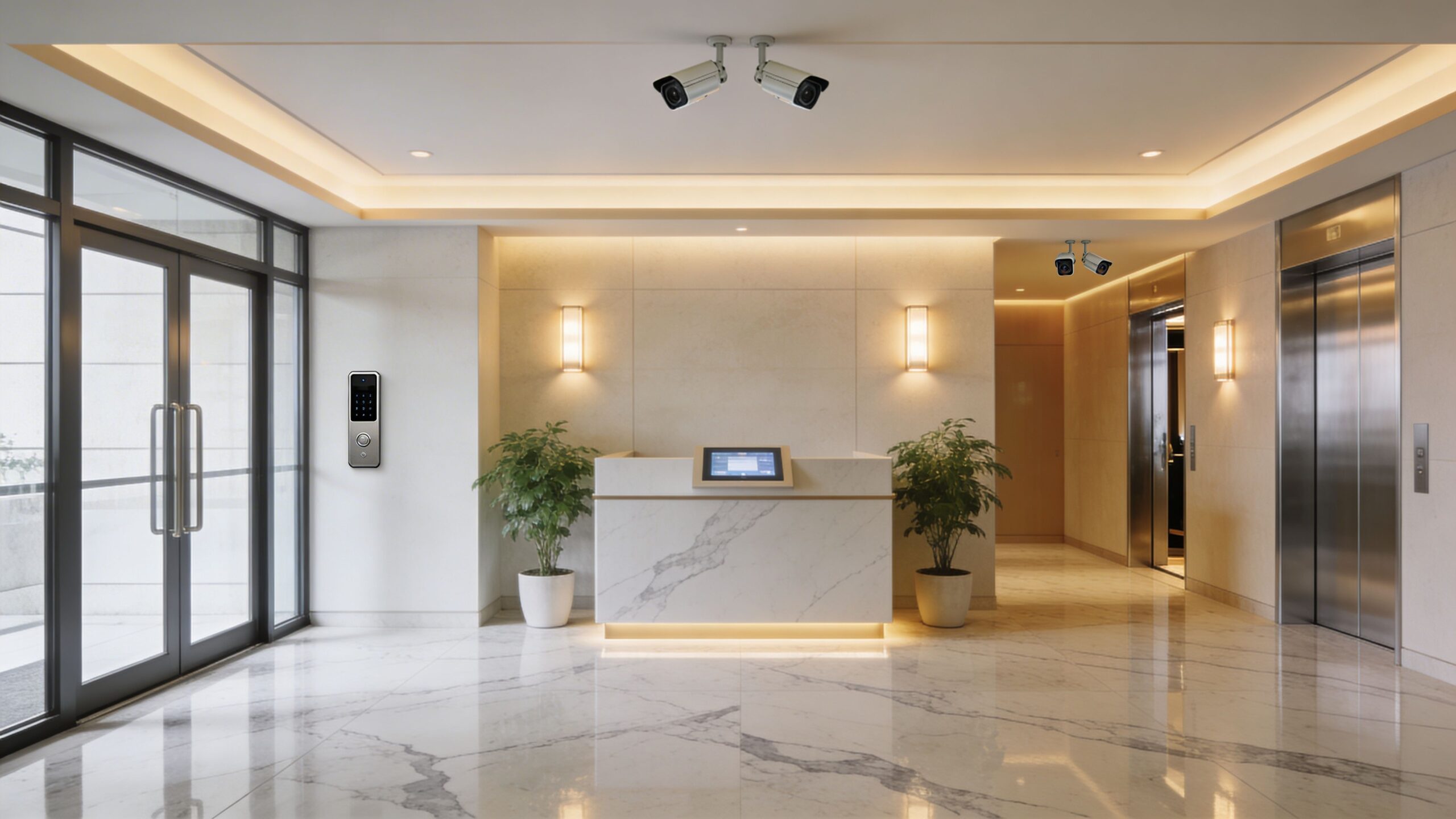
Apartment living comes with freedom, flexibility, and often a strict lease agreement that warns against drilling holes, modifying doors, or changing locks. Yet safety remains non-negotiable. Whether you live in a downtown high-rise, a student complex, or a quiet suburban unit, knowing how to install apartment security gear without damaging anything is one of the most valuable skills you can develop as a renter. The good news is that modern apartment security solutions are smarter, sleeker, and far more renter-friendly than ever before. With advances in adhesive technology, wireless connectivity, and compact surveillance systems, you can build a powerful layer of protection without a single screw in the wall. This guide walks you through how to secure your apartment the right way—strategically, safely, and in full compliance with your lease.
A: They can if paint is old or poorly bonded—patch-test first, remove slowly with gentle heat.
A: A door contact sensor + a loud chime/siren is simple, cheap, and very effective.
A: Often yes with an over-the-door or no-drill bracket, or by using existing hardware points.
A: Point it toward your entry and main living area, positioned to catch faces without aiming at windows.
A: Use a tension bar/rod in the track and add a contact sensor for open alerts.
A: Move the router central, add a mesh node, or place the hub closer to the entry.
A: Many are, but choose removable/static-cling styles to avoid adhesive residue.
A: Use warm air, peel slowly, then wipe residue with mild adhesive remover and a soft cloth.
A: Set chimes for daily use and reserve loud sirens for armed mode or true alerts.
A: Entry sensor + motion sensor + indoor camera + a smart plug for a lamp—no drilling required.
Why Renters Need a Damage-Free Security Strategy
Unlike homeowners, renters must think differently about upgrades. Landlords typically prohibit drilling into doors, altering locks, or making permanent structural changes. Even small screw holes can cost you part of your security deposit. That means every security decision must balance effectiveness with reversibility.
Damage-free installation methods allow you to reinforce entry points, monitor activity, and deter intruders without violating lease agreements. They also give you portability. If you move next year, your security setup moves with you. No patching walls. No complicated uninstall process. No awkward conversations with property management.
Beyond lease concerns, many apartment residents share hallways, parking garages, and common entryways. You may not control building-wide security, but you can control your own perimeter. A thoughtful, non-invasive approach lets you strengthen weak points while keeping your space visually clean and professionally maintained.
Reinforcing Doors Without Drills or Permanent Modifications
Your front door is the most critical security feature in any apartment. Most break-ins happen through forced entry, and renters often assume they cannot upgrade this area. In reality, there are several powerful ways to reinforce your door without altering its structure.
Door security bars that wedge between the floor and handle create resistance against forced entry. These devices require no installation at all—just placement and adjustment. They are removable, portable, and highly effective for inward-opening doors.
Portable door locks that clamp onto the strike plate area add another layer of reinforcement from the inside. These tools slide into place and block the latch mechanism, preventing the door from opening even if someone has a key. They are especially popular among renters and travelers.
Door reinforcement plates with high-strength adhesive backing can also improve strike plate durability without screws. When selecting adhesive-backed hardware, choose products designed for strong but removable bonding. Always test a small area first to ensure compatibility with your door finish.
If your lease allows it, you may also consider replacing the lock cylinder temporarily—keeping the original to reinstall before moving out. Always confirm with your landlord before doing this. Clear communication prevents misunderstandings and protects your deposit.
Smart Locks and Keyless Entry for Apartments
Smart locks have revolutionized apartment security, and many models are designed specifically for renters. Instead of replacing the entire deadbolt, some smart lock systems retrofit over the interior portion of your existing lock. This means no changes to the exterior hardware and no visible alterations to the door.
Retrofitting smart locks allow you to maintain your original key while adding app-based control, auto-lock features, and temporary access codes. Installation typically requires only a screwdriver and uses existing mounting holes. When you move out, you simply remove the smart component and restore the original setup.
Keyless entry reduces the risk of lost keys and unauthorized duplication. You can also receive notifications when the door locks or unlocks, which adds an extra layer of awareness. For renters in shared housing situations, this is particularly useful.
Before installing any smart lock, check your lease agreement. Some landlords prohibit any lock changes, even internal ones. Others welcome smart security upgrades. Always confirm in writing if possible.
Installing Security Cameras Without Wall Damage
Apartment-friendly security cameras are compact, wireless, and designed for flexible mounting. Many indoor cameras sit on shelves, desks, or countertops without needing any hardware at all. For optimal coverage, position them near entry points, windows, or main living areas.
If wall mounting is necessary, use removable adhesive strips rated for the camera’s weight. High-quality adhesive mounting systems can support small electronics without leaving residue when removed correctly. Follow manufacturer instructions carefully to avoid paint damage.
Magnetic mounts are another excellent solution. If your door or window frame contains metal components, you can attach cameras without adhesives or screws. Tension rods placed in window frames can also support lightweight cameras discreetly.
For outdoor apartment spaces like balconies or patio doors, choose weather-resistant cameras and mount them using removable brackets designed for temporary installation. Be mindful of privacy laws and avoid recording areas beyond your private space, especially common hallways or neighbors’ windows.
Wireless connectivity eliminates the need for drilling holes for cables. Battery-powered cameras reduce wiring clutter, while plug-in models can use cable management clips that peel away cleanly.
Window Protection That Leaves No Trace
Windows are often overlooked in apartment security planning, yet they are common entry points. Fortunately, damage-free reinforcement options are widely available.
Window security bars designed for renters expand to fit inside the frame without drilling. They create a physical barrier while remaining removable. Make sure any window barrier still allows for emergency exit in case of fire.
Adhesive window sensors connect to smart home systems and alert you when a window opens unexpectedly. These devices use strong yet removable adhesive backing and are easy to uninstall.
Security window film is another powerful deterrent. While technically semi-permanent, many films can be removed carefully without damaging glass. This film strengthens the window, making it more difficult to shatter. If you choose this option, confirm that your lease allows it.
Sliding door locks that clamp onto the track prevent forced entry through patio doors. These require no drilling and add immediate resistance.
The goal is simple: increase time and effort required for entry. Most intruders seek easy targets. When a window resists quick access, they often move on.
Motion Sensors, Alarms, and Smart Deterrents
A complete apartment security setup goes beyond doors and windows. Motion sensors and alarms add visibility and deterrence without altering your walls.
Freestanding alarm systems designed for renters rely on adhesive sensors and plug-in base stations. These systems connect wirelessly and require no structural changes. When triggered, they emit loud alerts that deter intruders and notify you via smartphone.
Peel-and-stick motion detectors can be mounted in corners using removable adhesive strips. Position them near entryways or hallways for optimal detection coverage.
Video doorbells can also be installed without drilling in many cases. Some models attach to existing peepholes or use removable mounting brackets. This allows you to monitor visitors without replacing building hardware.
Visible security signage, even small window decals, can act as psychological deterrents. When potential intruders believe an apartment is monitored, they are less likely to attempt entry.
The key to smart deterrents is layering. Each device adds friction to unauthorized access while maintaining the integrity of your walls and doors.
Designing a Layered Apartment Security Plan
Effective apartment security is not about a single device. It is about creating layers that work together. Think in terms of prevention, detection, and response.
Prevention includes reinforced doors, secured windows, and visible deterrents. Detection involves motion sensors, cameras, and smart alerts. Response means knowing what to do if an alert triggers—contacting authorities, activating alarms, or reviewing footage.
Start by identifying your apartment’s vulnerabilities. Is the front door near a secluded stairwell? Does your unit sit on the ground floor with accessible windows? Do you have a balcony with easy access? Tailor your setup accordingly.
A minimalist approach often works best. Overloading your apartment with devices can create clutter and technical issues. Instead, choose high-quality, renter-friendly tools that integrate smoothly into your daily life.
Test your setup regularly. Check battery levels, verify sensor alignment, and ensure adhesive mounts remain secure. Routine checks maintain reliability without compromising surfaces.
Protecting Your Deposit While Protecting Your Peace of Mind
At the end of your lease, your goal is simple: move out cleanly and receive your full security deposit. Damage-free installation ensures that security upgrades never become financial liabilities. When removing adhesive mounts, follow manufacturer instructions precisely. Many recommend slow, downward stretching of adhesive strips rather than pulling outward. This technique minimizes paint damage. Keep original packaging and hardware when possible. If you temporarily replaced any components, reinstall the originals before inspection. Document your apartment’s condition both before installation and after removal. Photos provide evidence that no permanent damage occurred. Most importantly, communicate openly with your landlord if you plan significant upgrades. Many property managers appreciate proactive tenants who invest in safety responsibly. Apartment living does not mean compromising on security. With thoughtful planning, modern technology, and careful installation, you can create a powerful security system that protects your home without leaving a single mark. Safety and simplicity can coexist. When done correctly, you gain confidence, deterrence, and peace of mind—while your walls remain untouched and your deposit intact.